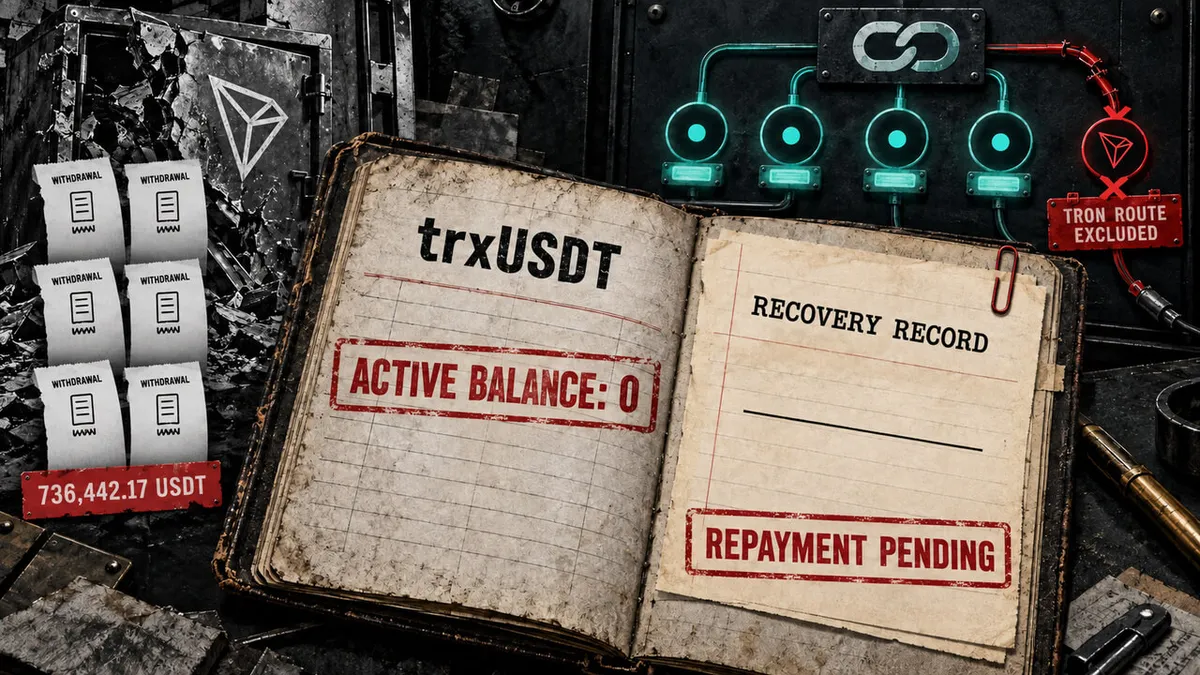
Boltz shuts down as AI hacking risk forces crypto back to custodians
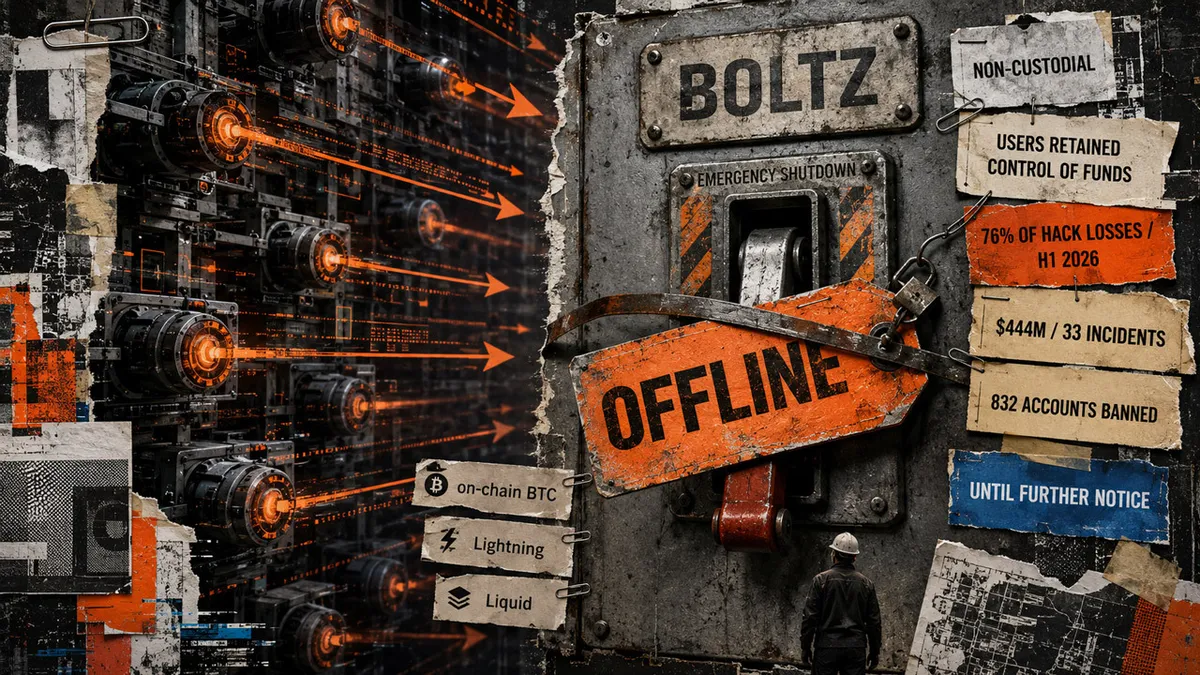
On August 3, Boltz, a Bitcoin bridge known for its non-custodial design, announced its shutdown after facing a series of automated, AI-assisted probing attacks. Despite managing to keep users' funds safe throughout months of targeted attacks, the team ultimately decided they could no longer keep pace with the evolving threat landscape. This decision underscores the growing challenges facing decentralized platforms in an era where AI technology is increasingly being weaponized against them. As a result, Boltz's services for Bitcoin swaps will remain offline indefinitely.
The background of Boltz's situation highlights a significant trend in the crypto industry. Non-custodial platforms, which allow users to retain control over their funds without relying on centralized entities, have gained traction as a way to enhance security and privacy. However, as AI technology becomes more advanced, it poses new risks that these platforms must contend with. Boltz's experience serves as a stark reminder of the vulnerabilities that can emerge, even for systems designed to be resilient against attacks.
This incident is particularly relevant for the broader crypto market, as it raises concerns about the future of decentralized finance (DeFi) and the trust users place in these platforms. With the threat of AI hacking looming large, there is a risk that users may gravitate back towards established custodial solutions that promise greater security, albeit at the cost of some degree of autonomy. The potential shift could undermine the very principles that decentralized finance was built upon, making the industry more susceptible to control by a select few.
Industry reactions to Boltz's shutdown have been mixed. Some experts emphasize the need for improved security measures and innovative solutions to counter AI-driven attacks. They argue that the industry must invest in developing robust defenses to retain user trust and promote the growth of decentralized platforms. Others caution that the incident could lead to a broader trend of consolidation within the sector, as smaller players struggle to compete against the increasing sophistication of hacking techniques.
Looking ahead, the crypto industry may need to adapt to the evolving threat landscape presented by AI. This could involve collaboration among developers to share best practices, enhance security protocols, and foster a community-focused approach to rebuilding trust in decentralized systems. As the market grapples with these challenges, it remains to be seen how the balance between security and decentralization will evolve in the face of growing AI capabilities.

CoinMagnetic Team
Crypto investors since 2017. We trade with our own money and test every exchange ourselves.
Updated: August 2026
From our insights:
Related news

Blockchain malware incidents surge 440% due to AI advancements for hackers

IOG warns Cardano users against YouTube giveaway scam featuring Hoskinson
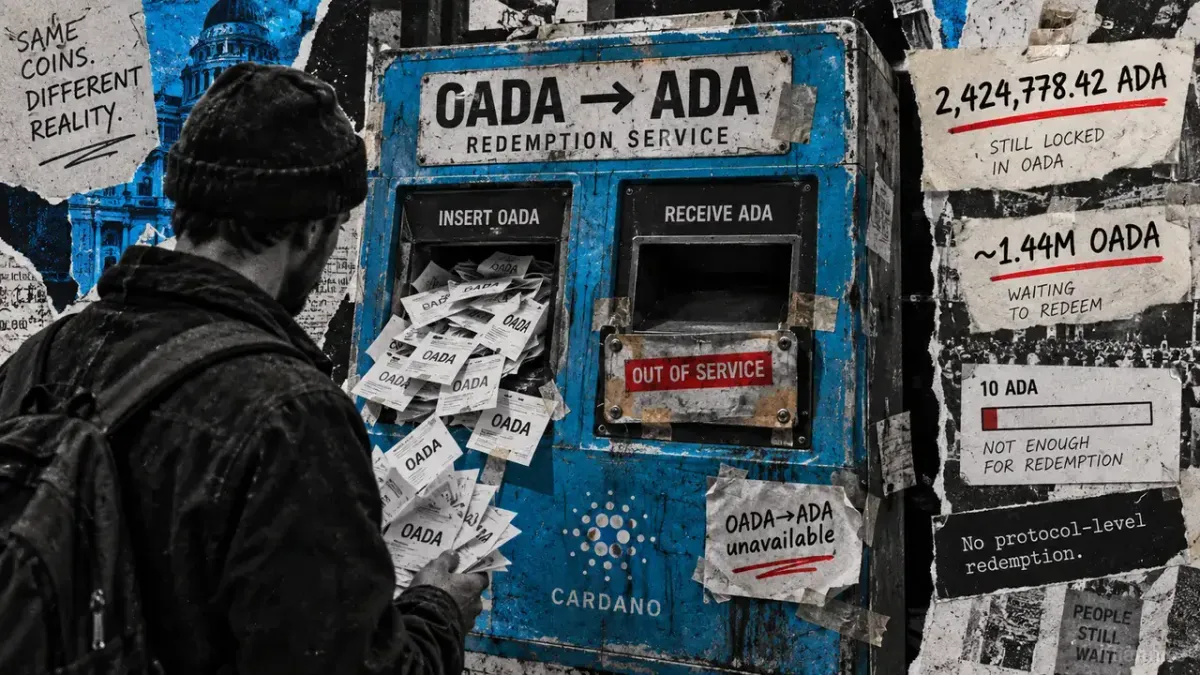
Cardano's Splash fix resolves exploit but 2.4M ADA remains unaccounted for

North Korea-linked hackers cause 420% spike in onchain malware, Chainalysis reports
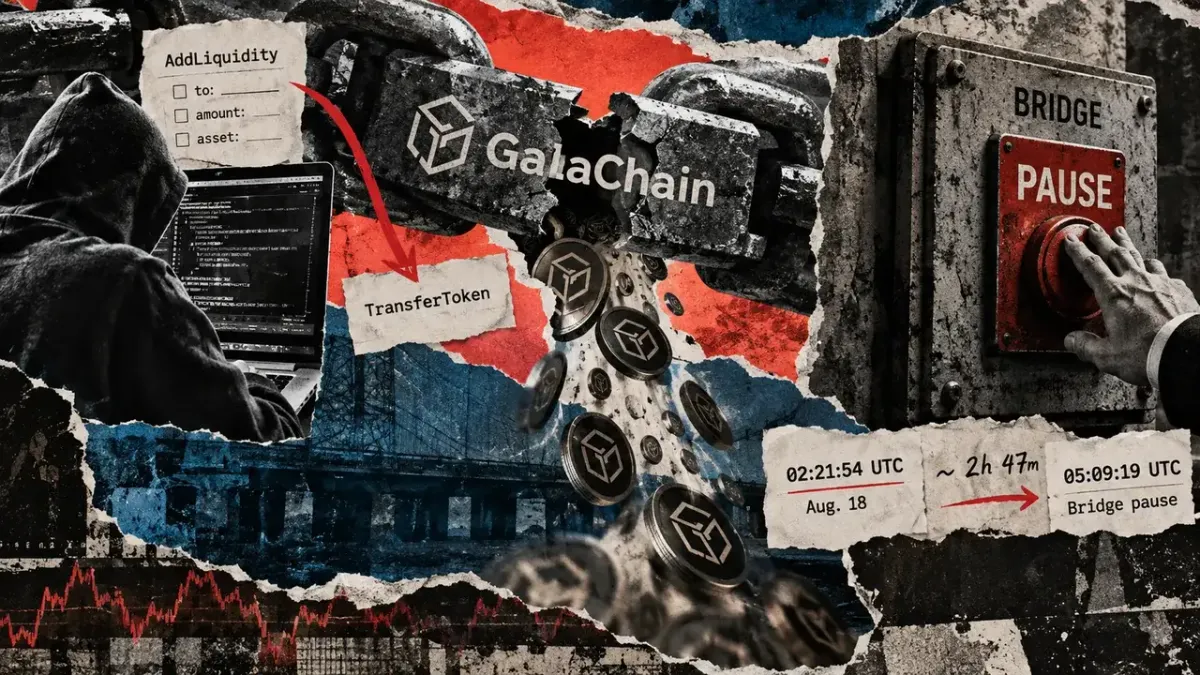
Hacker turned 55 days of failed transactions into a $3 million master key that drained GalaChain wallets