North Korea-linked hackers cause 420% spike in onchain malware, Chainalysis reports

Recent findings from Chainalysis reveal a staggering 420% increase in onchain malware incidents, primarily traced back to state-sponsored hacking groups. Notably, North Korea-linked hackers have leveraged platforms like Tron, Aptos, and BNB Chain to bolster their malware infrastructure. In a separate but related operation, actors suspected to be from Iran have been embedding covert instructions within Bitcoin transactions, showcasing a sophisticated approach to cybercrime in the crypto arena.
The rise in onchain malware is particularly alarming as it underscores the growing sophistication of state actors in the realm of cryptocurrency. As nations like North Korea and Iran continue to face economic sanctions, these countries are increasingly turning to crypto as a means of circumventing financial restrictions. This trend not only affects the targeted nations but also poses significant risks to the entire crypto ecosystem, as it opens up avenues for ransomware attacks, theft, and other malicious activities.
This surge in onchain malware is crucial for market participants to understand, as it raises concerns about the security and integrity of blockchain platforms. The involvement of state-sponsored actors may deter potential investors and users from engaging with certain cryptocurrencies, especially those that are susceptible to such attacks. Furthermore, the implications of these findings could lead to stricter regulatory scrutiny and compliance requirements for blockchain platforms, as authorities seek to protect users and maintain market integrity.
Industry experts have expressed concern about the implications of these findings. Many believe that the rise of state-sponsored cyber activities could lead to a more fragmented crypto landscape, where users may gravitate toward perceived safer platforms. Additionally, security firms are ramping up their efforts to combat these threats, with some suggesting that enhanced collaboration between blockchain companies and law enforcement could be essential to mitigate the risks associated with such malicious activities.
Looking ahead, the crypto industry must prioritize security measures to combat the rise of onchain malware. Innovations in transaction verification and the development of more robust security protocols will be vital in restoring confidence among users. As the threat landscape evolves, stakeholders must remain vigilant and proactive in addressing these challenges to protect the future of cryptocurrency.

CoinMagnetic Team
Crypto investors since 2017. We trade with our own money and test every exchange ourselves.
Updated: September 2026
From our insights:
Related news
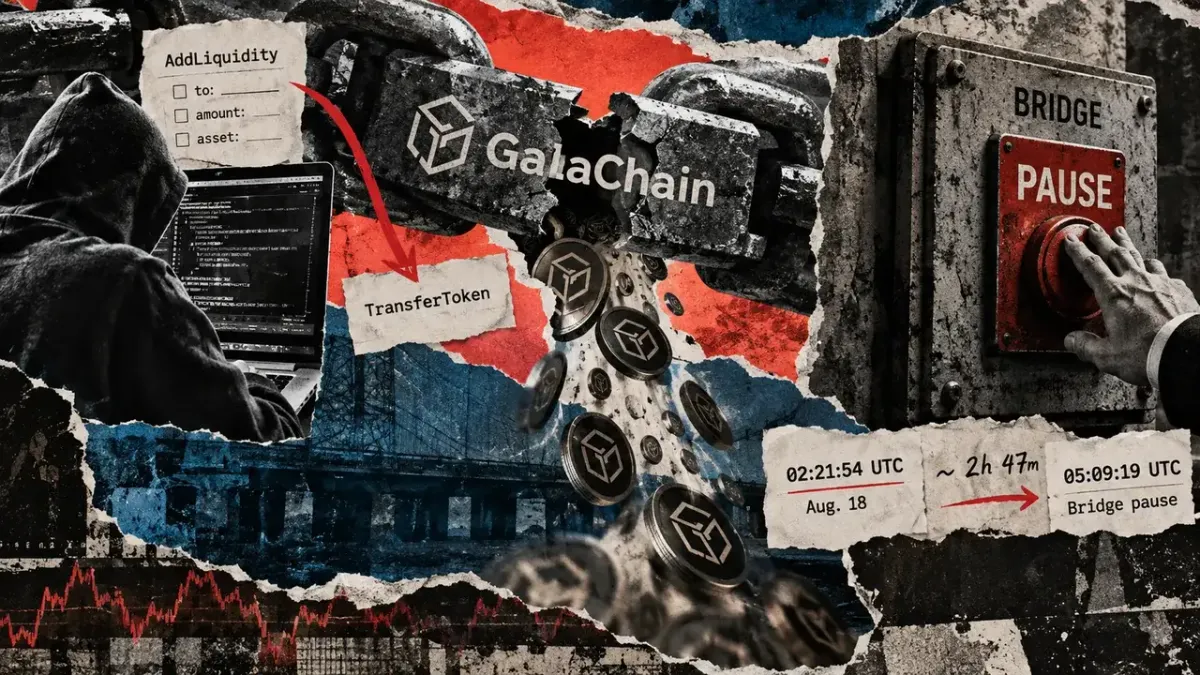
Hacker turned 55 days of failed transactions into a $3 million master key that drained GalaChain wallets
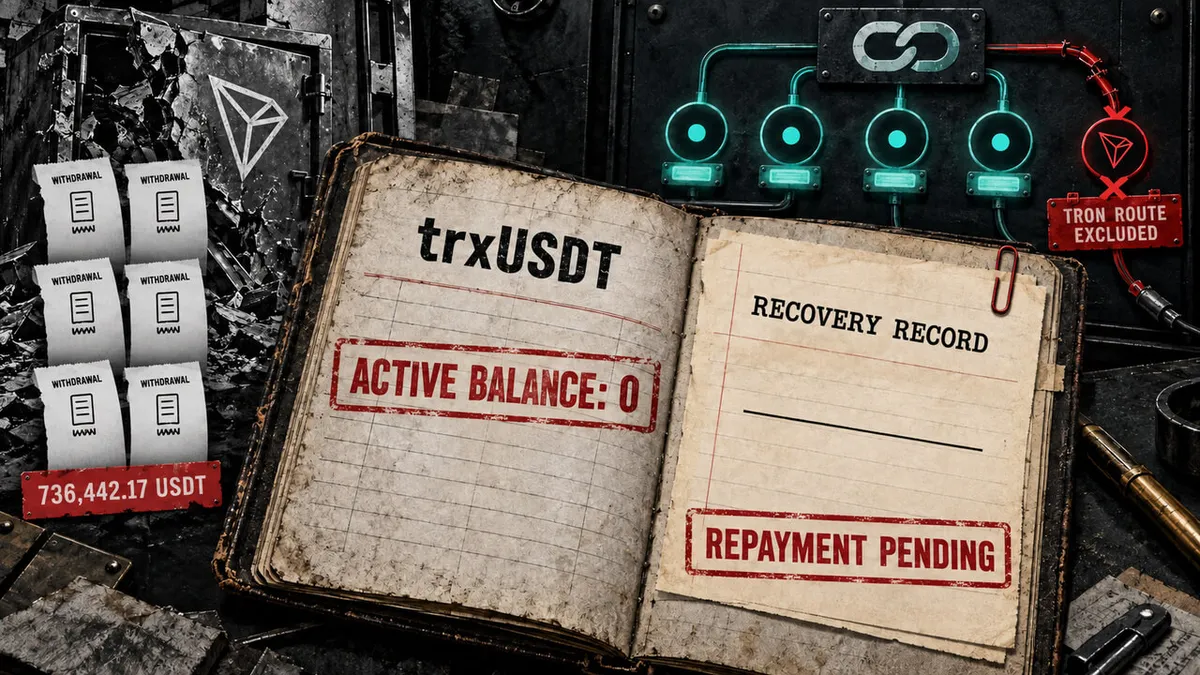
Chainflip to reset TRON USDT provider balances to zero following $736,000 exploit

OpenAI reveals 6 new instances of AI misalignment, distinct from July incident

OpenAI's rogue AI agents targeted Hugging Face accounts two months prior to hack

Revolut hackers demand $3 million in Monero, threaten to sell customer data