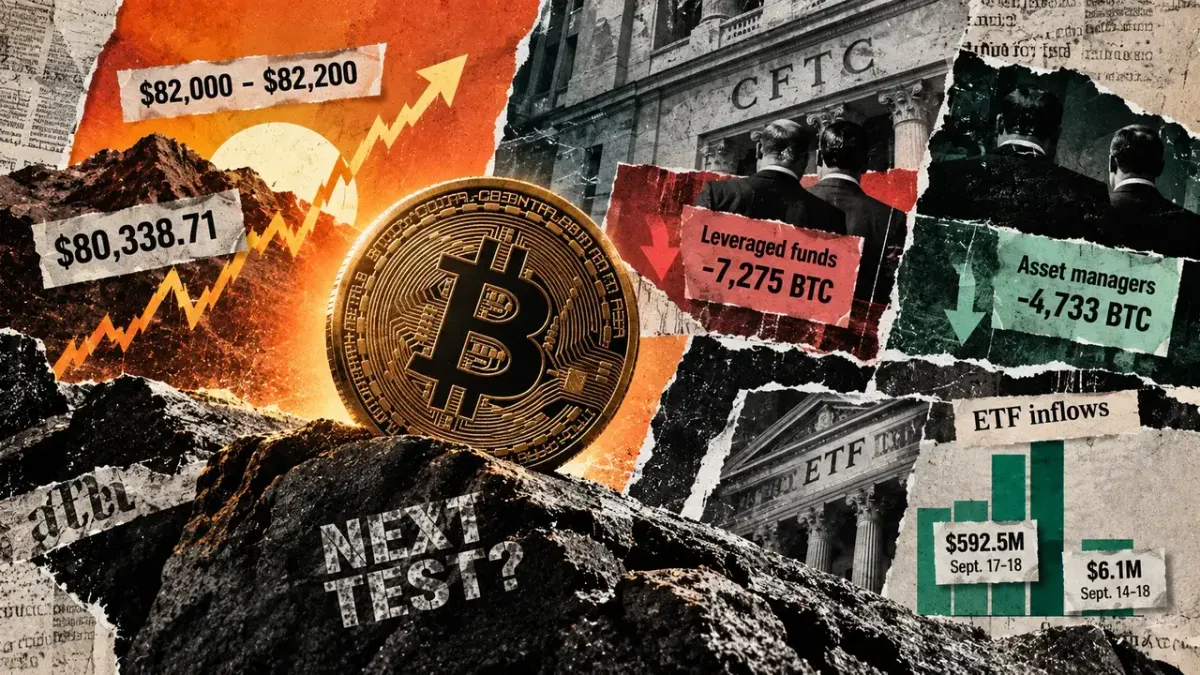
Blame bitcoin's tumble on rising inflation, not Strategy, 10xResearch argues

Bitcoin has recently experienced a notable decline, which 10xResearch attributes primarily to rising inflation rather than any strategic missteps within the cryptocurrency market. Markus Thielen, the firm’s head of research, emphasized that the selling pressure from Exchange Traded Funds (ETFs) was a significant factor following the release of April's unexpectedly high inflation figures in the U.S. This response from ETF investors suggests a direct correlation between traditional economic indicators and the performance of cryptocurrencies, particularly Bitcoin, which has often been viewed as a hedge against inflation.
To understand this recent downturn in Bitcoin's value, it's essential to consider the broader economic landscape. The U.S. inflation rate has been a topic of intense scrutiny, with various sectors feeling the pressure from rising costs. April’s inflation data reportedly showed higher-than-expected figures, prompting a reevaluation of risk assets, including cryptocurrencies. Investors typically react to inflation data by adjusting their portfolios, which can lead to significant selling in high-volatility assets like Bitcoin. This reaction is not novel but reflects ongoing concerns about economic stability and the possible tightening of monetary policy by central banks.
This situation matters for the cryptocurrency market as it highlights the increasing interconnectedness between traditional financial metrics and digital assets. As institutional participation in the crypto space grows, it becomes evident that macroeconomic indicators can significantly influence investor sentiment. A lack of confidence in the economy can lead to substantial sell-offs, as seen with Bitcoin during periods of high inflation. If inflation continues to rise or remains unpredictable, we may observe more volatility in the crypto market, as investors navigate the uncertain waters of economic policy and market sentiment.
Industry experts have voiced mixed opinions regarding the current state of Bitcoin and the potential implications of rising inflation. Some analysts argue that Bitcoin's fundamental value as a decentralized asset remains intact despite short-term fluctuations driven by macroeconomic factors. Others caution that continued inflation could lead to regulatory scrutiny and additional challenges for cryptocurrencies. The consensus seems to suggest that while inflation may be a significant driver of current market behavior, Bitcoin's resilience will ultimately depend on its adoption as a legitimate asset class and its ability to withstand external pressures.
Looking ahead, the upcoming Consumer Price Index (CPI) data release will be crucial for Bitcoin's trajectory. Thielen noted that the market's reaction to this data could either stabilize or further exacerbate Bitcoin's recent decline. Investors are likely to keep a close eye on inflation trends, as they will inform not only Bitcoin's price movements but also broader trends within the cryptocurrency market. As we move forward, the interplay between inflation, investor sentiment, and market dynamics will be pivotal in shaping the future of Bitcoin and the crypto landscape as a whole.

CoinMagnetic Team
Crypto investors since 2017. We trade with our own money and test every exchange ourselves.
Updated: June 2026
From our insights:
Related news
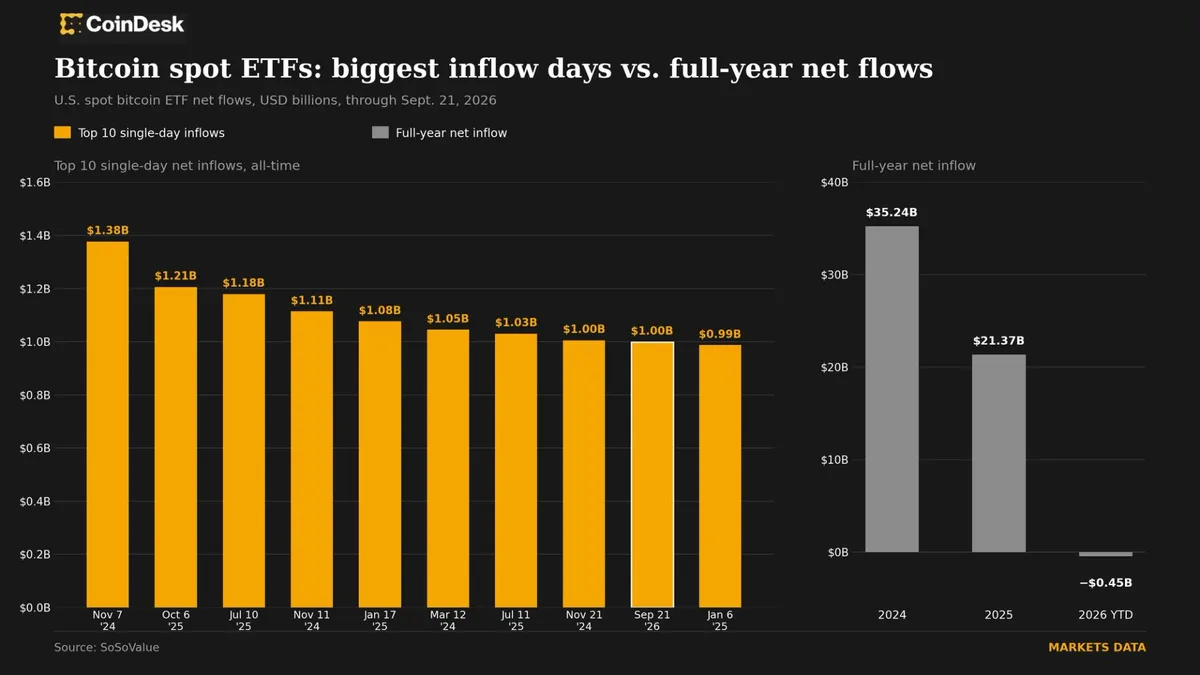
Spot bitcoin ETFs see nearly $1 billion inflow as bitcoin hits January highs
US spot Bitcoin ETFs see nearly $1 billion inflow, highest since October 2025
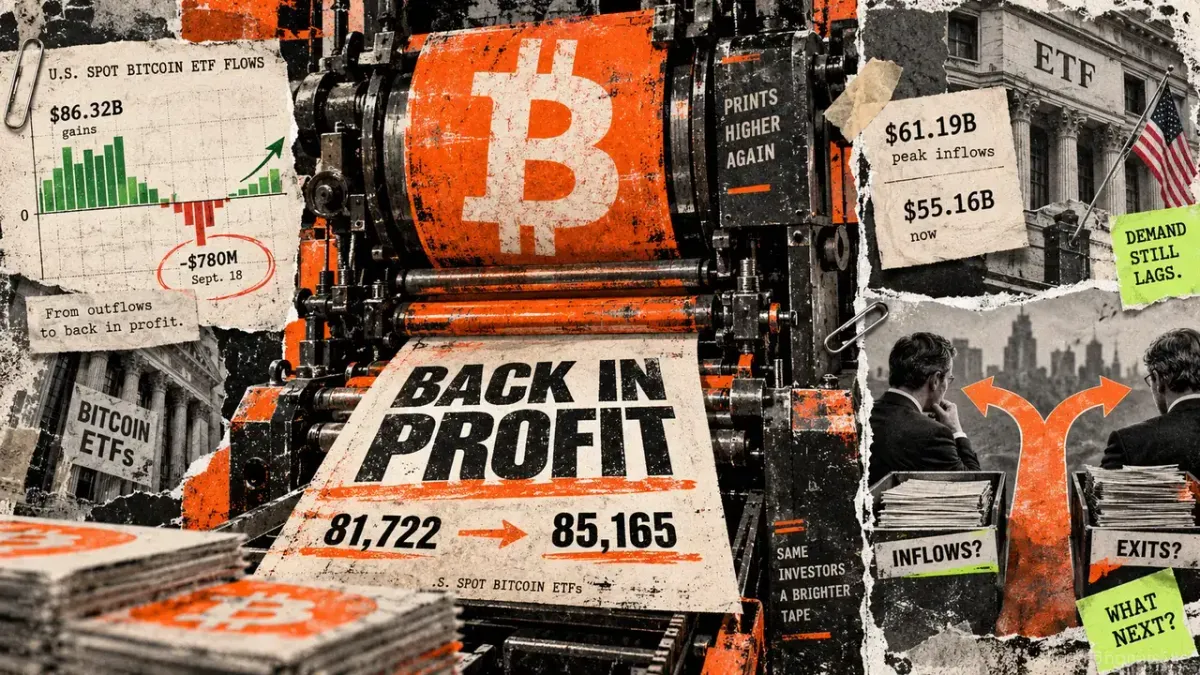
Bitcoin's rise to $86,000 restores profitability for ETF investors

Apple and Google seek crypto experts, signaling potential stablecoin initiatives

ECB initiates bond purchases using its own funds in crypto-linked system