Bitplanet’s Antalpha mining deal tests whether Bitcoin treasuries can grow without constant buying
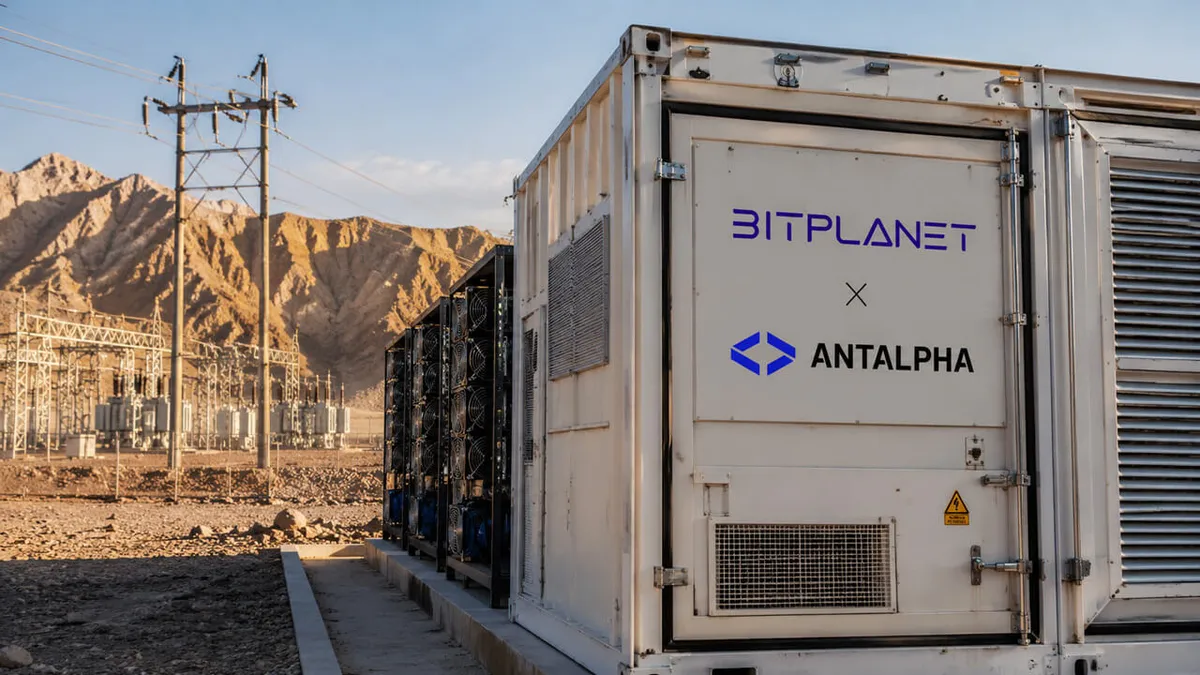
Bitplanet has recently made headlines with its memorandum of understanding (MOU) with Antalpha, indicating a strategic shift in how Bitcoin treasuries can be managed. This collaboration focuses on generating revenue through mined Bitcoin rather than relying solely on purchasing Bitcoin from the market. The MOU outlines an ambitious plan where the success of their partnership hinges on several critical factors–namely, the cost of power, uptime of mining operations, and the retention of mined coins. These elements will ultimately determine whether Bitplanet can sustainably grow its Bitcoin reserves without the need for continual market purchases.
To understand the significance of this deal, we need to consider the broader context of Bitcoin mining and treasury management. In recent years, many companies have built substantial Bitcoin reserves, often acquiring coins through direct purchases. However, with the fluctuating market prices and increasing energy costs, maintaining these reserves through mining presents a new and potentially more sustainable approach. The collaboration between Bitplanet and Antalpha reflects a growing trend among firms seeking to optimize their treasury strategies by diversifying their revenue streams through mining, all while navigating the complexities of operational costs and market volatility.
The implications of this partnership extend beyond Bitplanet and Antalpha, presenting a significant moment for the cryptocurrency market at large. If Bitplanet can successfully increase its Bitcoin treasury through mining, it could pave the way for other companies to adopt similar strategies, reducing dependence on direct market purchases. This shift could lead to a more stable demand for Bitcoin, potentially stabilizing its price and influencing market dynamics. Furthermore, it raises questions about the long-term viability of mining operations in the face of increasing regulatory scrutiny and environmental concerns.
Industry experts have already begun weighing in on the potential impact of this deal. Some believe that if Bitplanet can effectively manage its energy costs and maintain high operational uptime, it could become a model for other firms. Others, however, express skepticism regarding the feasibility of scaling mining operations in a way that consistently supports growth in Bitcoin reserves. The debate highlights the complexities of balancing operational efficiency with market conditions, as companies must navigate not just technical challenges but also regulatory landscapes and the evolving perceptions of Bitcoin mining's environmental impact.
Looking ahead, the success of this partnership will be closely monitored by both industry insiders and investors. Should Bitplanet manage to achieve its goals, we may see a surge in similar agreements within the mining sector, as firms seek to fortify their Bitcoin holdings without the volatility associated with market buying. The outcome of this experiment could redefine how companies approach Bitcoin treasury management, potentially leading to a more robust and sustainable ecosystem for cryptocurrency mining and investment.

CoinMagnetic Team
Crypto investors since 2017. We trade with our own money and test every exchange ourselves.
Updated: June 2026
From our insights:
Related news

Kalshi clarifies no CFTC investigation despite unusual trading patterns

Nearly $20 million in XRP drained from 6,678 wallets across six attack waves
$15.6 billion in bitcoin options set to expire this Friday affects market dynamics

Hut 8 wins bidding for Poolin’s Texas data centers with $140 million offer

$1 billion in trading volume masks hidden liquidity risks for Coinbase stock token holders