Bitcoin split into two chains overnight, but a silent miner boycott just halted the enforcing BIP-110 chain
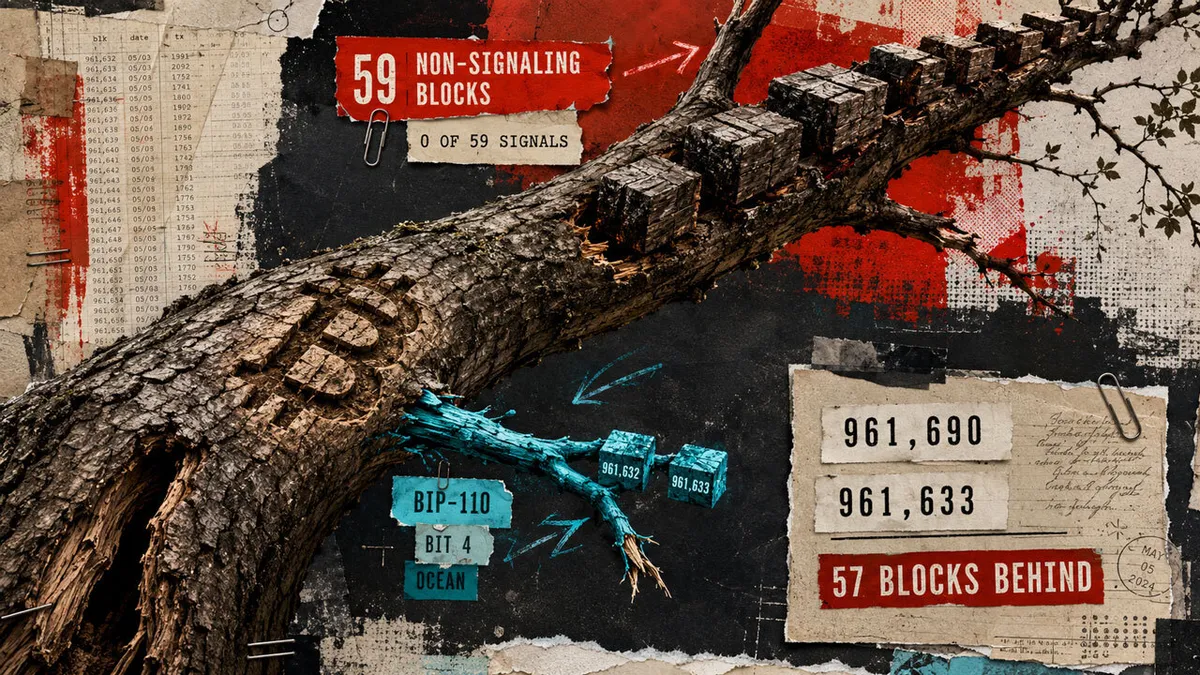
In a significant event for the Bitcoin network, a split occurred overnight, resulting in two distinct chains. This division came about due to the implementation of BIP-110, a proposal aimed at enhancing the protocol. However, the anticipated enforcement of this proposal faced immediate resistance, as none of the first 59 blocks from the dominant chain signaled support for BIP-110. The enforcing branch did manage to mine a single successor block but has since come to a complete halt due to lack of support from the mining community.
To understand the implications of this split, it is essential to know that Bitcoin has a history of contentious upgrades and forks. BIP-110 was designed to introduce specific changes to the network, but the failure to gain miner support highlights the ongoing challenges in achieving consensus within the decentralized ecosystem. Historically, miner sentiment has played a critical role in determining the fate of proposed upgrades, and this instance reinforces that idea.
The market's reaction to this split and the subsequent miner boycott could be significant. Such events often lead to uncertainty among investors and users, impacting Bitcoin's price and stability. With two chains now existing, the question arises about which version of Bitcoin will gain traction and acceptance moving forward. Market participants are likely to remain cautious, as the implications of a split can lead to fragmentation within the ecosystem and create confusion about the validity of transactions on either chain.
Industry reactions have varied, with some experts viewing the situation as a wake-up call for the Bitcoin community regarding the importance of miner alignment and consensus. Others express concern that the split might lead to increased volatility and uncertainty in the market. The absence of support for BIP-110 among miners suggests a potential disconnect between developers and the mining community, which could hinder future upgrades and proposals.
Looking ahead, the immediate future for both chains remains uncertain. The enforcing BIP-110 chain may need to reevaluate its approach to gain miner support if it hopes to continue operating. Meanwhile, the dominant chain will likely need to address the underlying issues that led to this split to prevent further fragmentation. The Bitcoin community must now navigate these challenges carefully, as the outcomes will shape the network's landscape and its evolution in the coming months.

CoinMagnetic Team
Crypto investors since 2017. We trade with our own money and test every exchange ourselves.
Updated: August 2026
From our insights:
Related news

Power cuts to Bitcoin miners may paradoxically increase energy consumption

Grayscale’s Zcash ETF plans 3-for-1 split after $233 million inflow surge
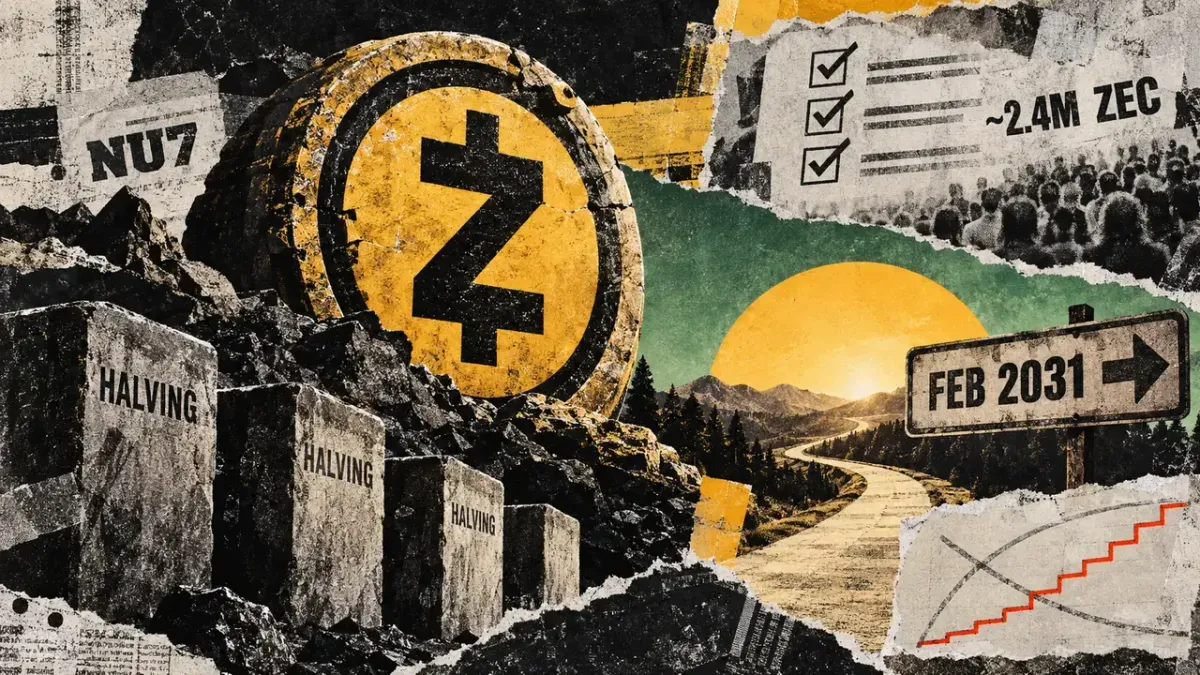
Zcash community votes to maintain halvings while delaying recycled ZEC until 2031
Zcash surges 168% in a month, nearing $1,400 after halving decision

Zcash miner Fortitude names former Hut 8 chief Jaime Leverton CEO ahead of Nasdaq deal
