Bitcoin slides 2% after U.S. close while Korea’s Kospi plunges 10%

Bitcoin experienced a notable decline of 2% following the U.S. market close, as broader economic concerns weighed heavily on investor sentiment. The cryptocurrency, which has been volatile in recent weeks, saw its price dip to around $27,500. This dip coincided with significant turmoil in global markets, particularly in South Korea, where the Kospi index plummeted by 10%, reflecting widespread fears of economic instability. The confluence of these events has raised questions about the resilience of cryptocurrencies amid traditional market downturns.
To understand the current situation, it's essential to consider the backdrop of recent economic data. The U.S. Federal Reserve's interest rate hikes and inflation concerns have been influencing market dynamics, leading to increased volatility across asset classes. Additionally, geopolitical tensions and uncertainties surrounding global supply chains have further contributed to the market's instability. The sharp drop in South Korea's Kospi, interpreted as a reaction to these economic pressures, underscores the interconnectedness of global markets, where traditional equities and cryptocurrencies are increasingly moving in tandem.
This market movement is significant for several reasons. First, it highlights the sensitivity of cryptocurrencies like Bitcoin to macroeconomic factors. Historically, Bitcoin has been considered a hedge against inflation, but recent trends suggest that it may be more correlated with stock market performance than previously thought. A sustained downturn could potentially challenge the narrative of Bitcoin as a safe-haven asset, prompting investors to reassess their strategies in light of changing economic conditions.
Industry experts have weighed in on the situation, expressing a mix of concern and cautious optimism. Some analysts suggest that Bitcoin's recent price action may be indicative of a broader trend, where digital assets are becoming more integrated into traditional financial markets. Others argue that this volatility could present buying opportunities for long-term investors, who may view current prices as attractive given the asset's historical potential for recovery. Nevertheless, the prevailing sentiment remains cautious as investors navigate a landscape filled with uncertainty.
Looking ahead, the market's trajectory will largely depend on upcoming economic indicators and policy decisions from central banks. As investors digest the implications of recent market movements, attention will be focused on whether Bitcoin can regain its footing or if it will continue to be influenced by traditional market dynamics. With ongoing discussions around regulation and institutional adoption, the coming weeks may reveal critical insights into the future of cryptocurrencies amidst evolving economic realities.

CoinMagnetic Team
Crypto investors since 2017. We trade with our own money and test every exchange ourselves.
Updated: July 2026
From our insights:
Related news
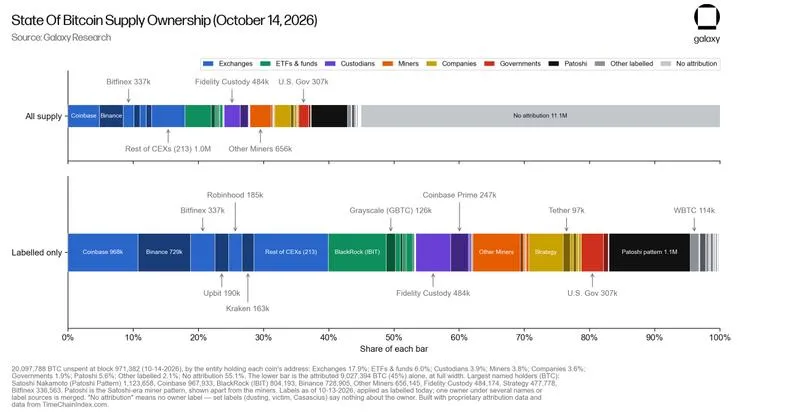
Millions of bitcoin linger in unidentified wallets as retail footprint grows

Gartner predicts over 80 percent of specialist cloud providers will cease independence by 2030
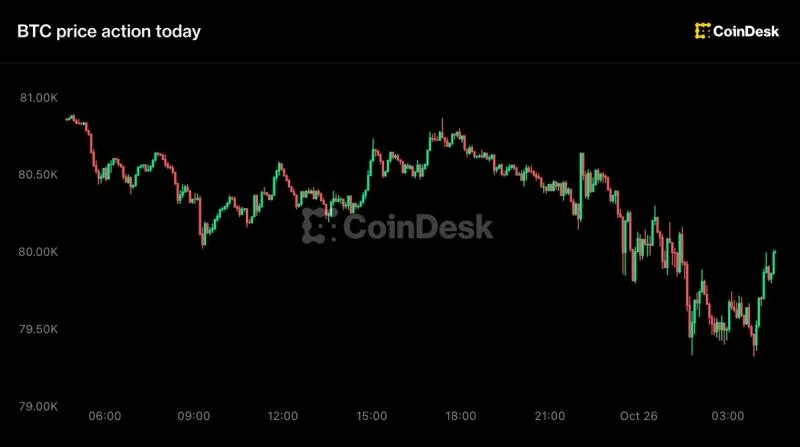
Federal Reserve meeting prompts traders to de-risk as bitcoin drops below $80,000

Hong Kong names Nasdaq-listed Solana Company a strategic enterprise

Elon Musk confirms $40 billion SpaceX debt deal for AI chips, warns of neocloud shakeout