Bitcoin should prepare now, even if quantum is a 'lab experiment’: Adam Back

Recent comments from Adam Back, a prominent figure in the crypto space and CEO of Blockstream, have reignited discussions around the potential impact of quantum computing on Bitcoin's security. Back emphasized that while quantum computing may currently be viewed as a "lab experiment," the cryptocurrency ecosystem should not become complacent. He advocates for the development of optional upgrades that would enable Bitcoin to transition to quantum-resistant cryptography when necessary. This proactive approach aims to safeguard the network against future quantum threats, which could compromise the cryptographic algorithms that underpin Bitcoin's security.
The concerns surrounding quantum computing are not new, but they have gained traction as advancements in the field continue to accelerate. Quantum computers have the potential to solve complex problems much faster than traditional computers, including the ability to break widely used cryptographic schemes. As Bitcoin relies on these cryptographic methods to secure transactions and maintain the integrity of the blockchain, the possibility of quantum computers posing a risk has raised alarm bells among developers and security experts. Back's remarks underline the need for the crypto community to consider the implications of quantum advancements and to prepare accordingly.
This matter is particularly significant for the market as it highlights the importance of continuous innovation and adaptation within the cryptocurrency space. The notion that Bitcoin could potentially face vulnerabilities from quantum computing has the potential to influence investor sentiment, especially as awareness of the technology grows. By preparing for a quantum future, Bitcoin can reinforce its position as a leading digital asset, ensuring that it remains resilient against emerging technological threats. Such preparations may also encourage greater investor confidence, knowing that the network is taking steps to mitigate risks associated with quantum advancements.
Industry experts have responded positively to Back's insights, recognizing the need for forward-thinking strategies in the face of evolving technology. Many agree that while quantum computing may still be in its infancy, the implications for cryptography and blockchain security are serious enough to warrant preemptive measures. The consensus among developers is that exploring options for quantum-resistant upgrades should be a priority, ensuring that Bitcoin can maintain its integrity and security in an uncertain future.
Looking ahead, the crypto community will likely see increased dialogue around quantum resistance as more stakeholders become aware of the potential threats and opportunities. Developers may start to prioritize research into quantum-resistant algorithms and protocols, laying the groundwork for future upgrades. As the technology landscape continues to evolve, it will be crucial for Bitcoin and other cryptocurrencies to remain adaptable, ensuring they can withstand the challenges posed by groundbreaking advancements in quantum computing.

CoinMagnetic Team
Crypto investors since 2017. We trade with our own money and test every exchange ourselves.
Updated: April 2026
From our insights:
Related news

ZetaChain votes to shut down Layer 1 network and move ZETA to Solana

Solana reduces block times by 17% with latest upgrade, boosting transaction freshness

Optimism secures upgrade for Superchain to enable interoperability

Solana boosts transaction size by 3x amid surge in network activity
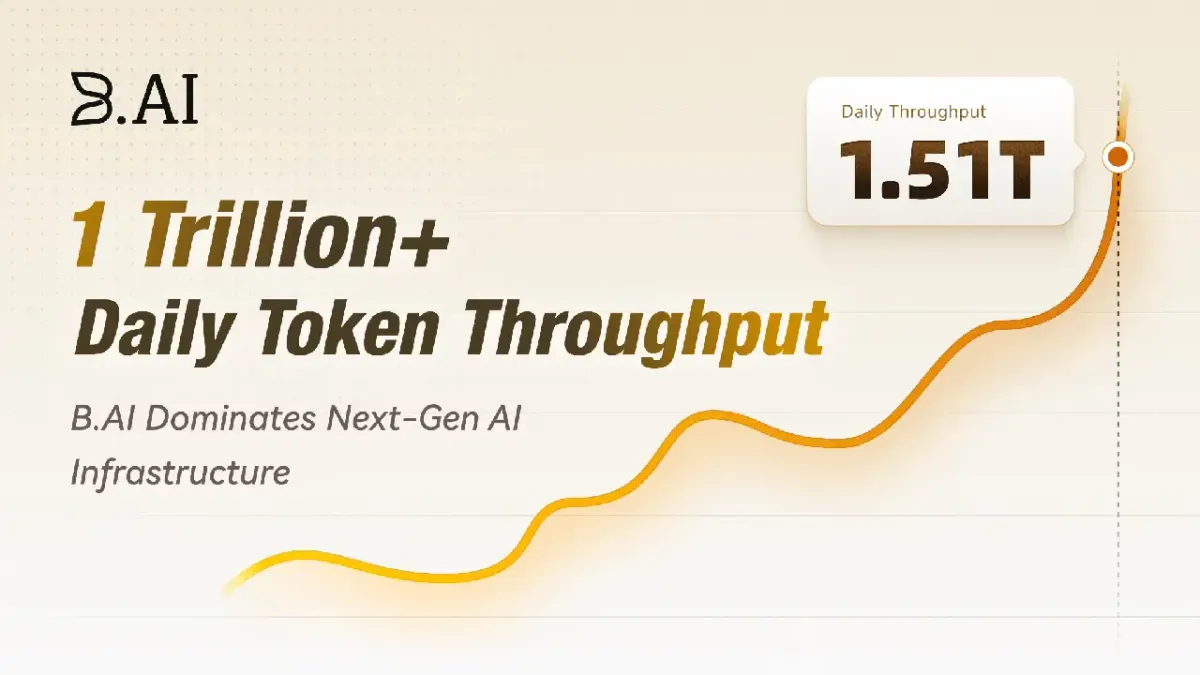
B.AI achieves record 1.51 trillion tokens daily throughput for AI infrastructure