BIP-110 soft fork stumbles with minimal mining support, raising PoW concerns
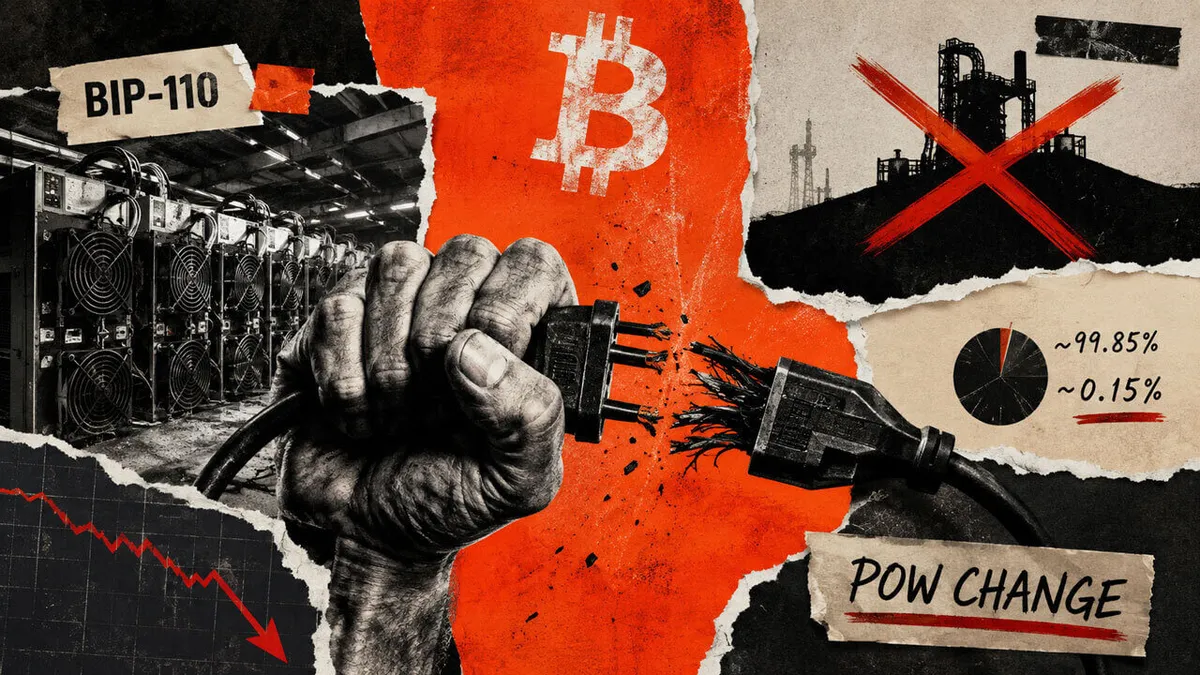
Bitcoin’s BIP-110 proposal has resurfaced, but its recent attempt to gain traction has not met expectations. Over the weekend, the push for this soft fork failed to secure the necessary support from miners, resulting in the initiative becoming stranded on a minority chain. The chain managed to produce only two blocks before stalling at height 961,633, highlighting significant challenges in garnering consensus within the mining community. The primary goal of BIP-110 was to implement restrictions on certain types of arbitrary data within Bitcoin, requiring a minimum of 55% miner signaling for successful deployment.
The context of BIP-110 is rooted in ongoing discussions about Bitcoin's scalability and governance. Proponents of the fork aimed to address concerns over data bloat by limiting non-essential information included in transactions. However, the failure to mobilize sufficient miner support indicates deeper divisions within the community regarding the direction of Bitcoin’s development. This proposal's previous attempts to gain foothold have also been met with skepticism, pointing to a trend where significant modifications to the network face pushback from entrenched interests.
The implications of this stalled proposal are considerable for the Bitcoin market. With the absence of consensus on such a fundamental change, it raises questions about the future of Bitcoin’s governance model and its ability to adapt to new challenges. As the network grows and evolves, the lack of agreement on how to implement changes could hinder its scalability and functionality, potentially impacting investor confidence and market dynamics.
Industry reactions to the BIP-110 situation have been mixed. Some experts argue that the lack of support from miners reflects a healthy resistance to rapid, potentially detrimental changes to Bitcoin’s architecture. Others express concern that failing to implement necessary upgrades could leave Bitcoin vulnerable to inefficiencies and competition from other blockchains that are more agile in their governance. This divergence of opinion underscores the complex landscape Bitcoin navigates as it seeks to balance innovation with stability.
Looking ahead, the fate of BIP-110 may hinge on further discussions within the Bitcoin community regarding the future of proof of work (PoW) and miner influence. If backers of the proposal continue to advocate for changes, we may see more attempts to rally support or even new proposals that address the underlying concerns of data management while being more palatable to miners. The evolution of this debate will be crucial in shaping the trajectory of Bitcoin as it confronts both internal challenges and external competition.

CoinMagnetic Team
Crypto investors since 2017. We trade with our own money and test every exchange ourselves.
Updated: August 2026
From our insights:
Related news

Bitcoin surpassing $85,000 production cost may reduce miner sell-off pressure

Power cuts to Bitcoin miners may paradoxically increase energy consumption

Grayscale’s Zcash ETF plans 3-for-1 split after $233 million inflow surge
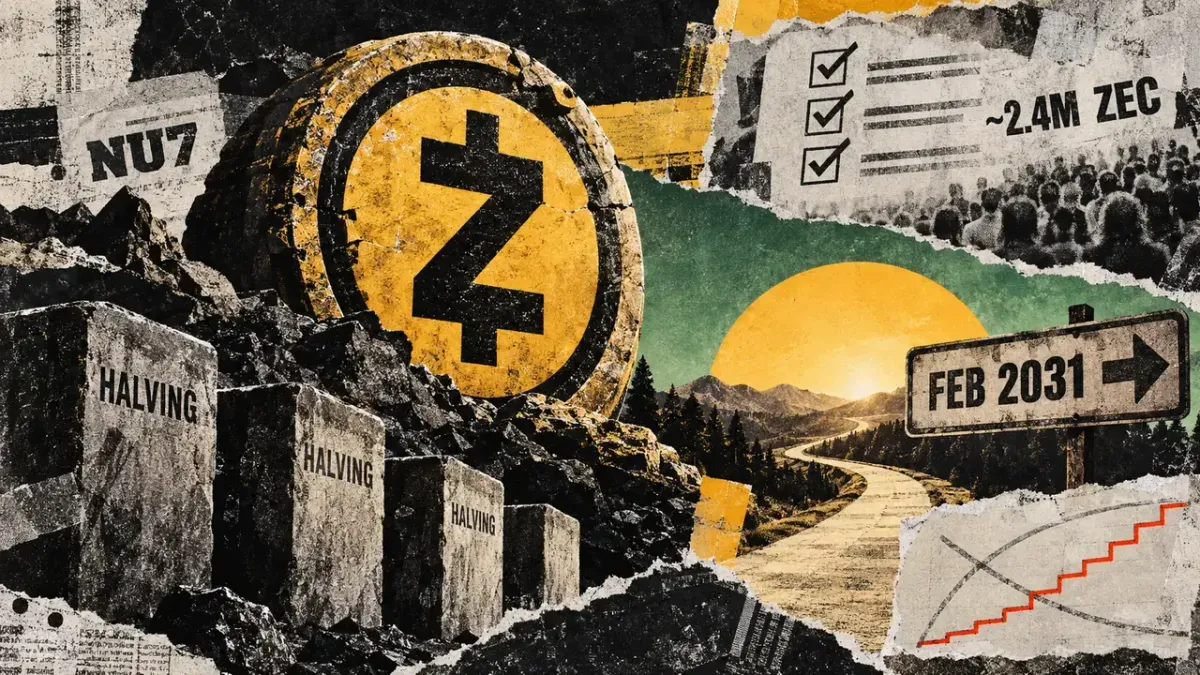
Zcash community votes to maintain halvings while delaying recycled ZEC until 2031
Zcash surges 168% in a month, nearing $1,400 after halving decision