BIP-110 highlights the essence of free-market capitalism in Bitcoin's evolution
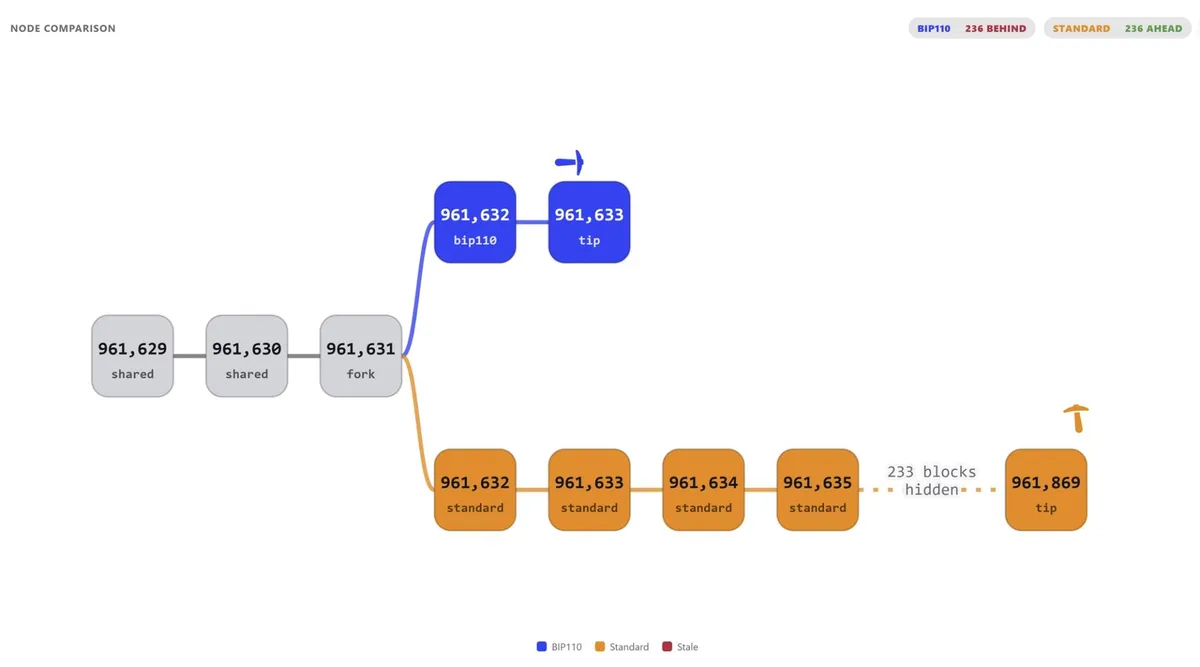
Bitcoin's recent BIP-110 episode has stirred considerable discussion within the crypto community, illustrating the ongoing evolution of the cryptocurrency in response to market dynamics. The BIP-110 proposal, which aims to adjust the transaction size limits, is being seen as a pivotal moment in Bitcoin's governance and operational framework. This development not only reflects the adaptability of Bitcoin but also emphasizes the principle of free-market capitalism where stakeholders have the autonomy to propose and implement changes based on collective consensus.
To understand the significance of BIP-110, it is essential to delve into its context within Bitcoin’s history. Bitcoin has always been characterized by its decentralized nature, allowing participants to influence its trajectory through proposals and votes. The BIP-110 proposal emerges at a time when Bitcoin's transaction volumes are increasing, and scalability has become a pressing concern for users and developers alike. This proposal represents an attempt to address these issues while upholding the core tenets of decentralization and community governance.
The implications of BIP-110 for the market are substantial. By allowing for greater flexibility in transaction limits, it could enhance Bitcoin's usability as a medium of exchange. This could lead to increased adoption, especially in scenarios requiring high transaction throughput. Furthermore, if successful, it may set a precedent for future proposals, reinforcing the notion that Bitcoin can evolve through community-driven initiatives without centralized control.
The industry response to BIP-110 has been mixed, with some experts applauding the move as a necessary step towards improving Bitcoin’s functionality, while others express concerns regarding the potential for centralization and the dilution of Bitcoin's original principles. Proponents argue that adapting to market needs is crucial for Bitcoin's longevity, whereas critics fear that too many changes could stray too far from the foundational ethos of the cryptocurrency.
Looking ahead, the outcome of the BIP-110 proposal will likely influence not only Bitcoin’s immediate future but also the broader landscape of cryptocurrency governance. As discussions unfold, it will be essential for stakeholders to weigh the benefits of flexibility against the risks of compromising Bitcoin's decentralized nature. This ongoing dialogue will shape the direction of Bitcoin and could have lasting implications for its role in the global financial system.

CoinMagnetic Team
Crypto investors since 2017. We trade with our own money and test every exchange ourselves.
Updated: August 2026
From our insights:
Related news

2.8 billion XRPL volume driven by just 185 trades across two obscure pools

New York's lawsuit against Polymarket seeks triple damages and penalties

TRON's lifetime volume of $30 trillion raises concerns for investors

Ondo Finance denies rumors of sale following founder Nathan Allman's death

U.S. commodities firms can invest in tokenized assets, use blockchain records: CFTC