2.8 billion XRPL volume driven by just 185 trades across two obscure pools
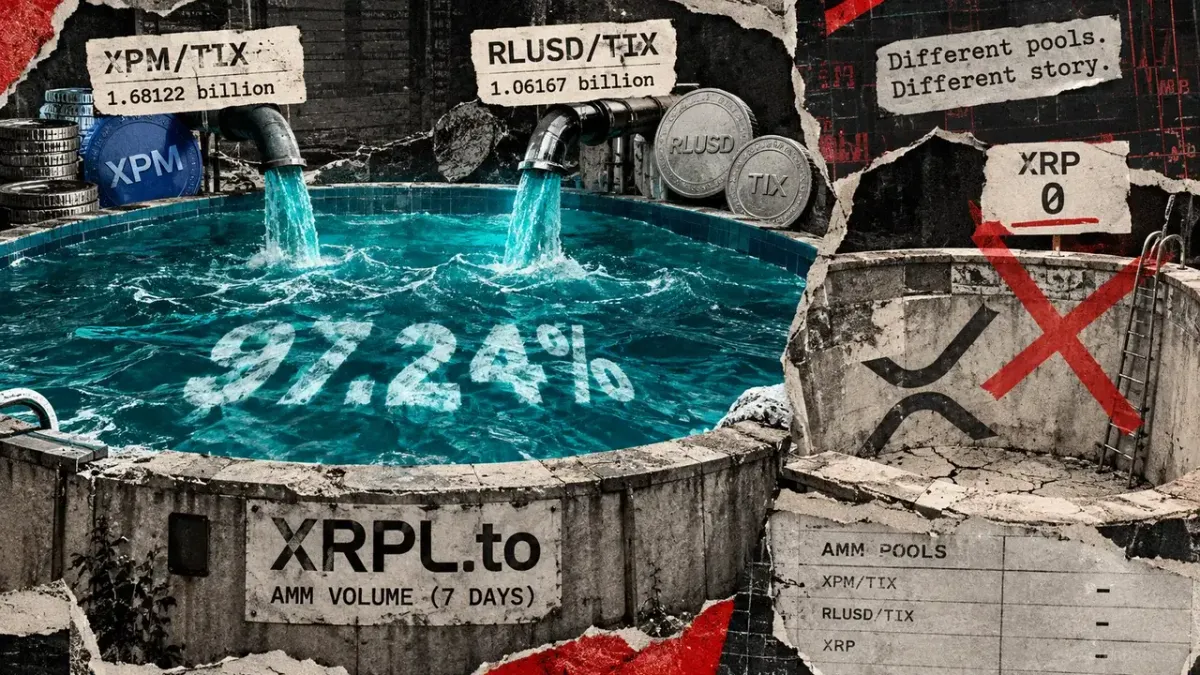
In a surprising turn of events, two lesser-known liquidity pools have contributed to a staggering 2.8 billion XRP Ledger (XRPL) volume, despite only 185 trades being executed. These pools primarily trade issued tokens, raising questions about the nature of the trading activity and the metrics being used to calculate volume. The lack of clarity surrounding how each fill is valued in the reports has left many in the crypto community puzzled about the legitimacy and implications of such high volume figures.
Historically, XRPL has been a platform that facilitates fast and cost-effective transactions, primarily for transferring value in the form of XRP. However, the emergence of these obscure pools indicates a growing trend where issued tokens, rather than just XRP, are gaining traction. This shift could reflect a broader evolution in trading practices on the XRPL, where users are increasingly engaging with a variety of tokenized assets.
The significance of this volume spike cannot be understated, as it highlights the potential for manipulation or misrepresentation of trading activity within the XRPL ecosystem. For investors and traders, understanding the underlying factors driving such volume is crucial, especially when making decisions in a market already known for its volatility. As the community continues to analyze the data, there could be implications for how liquidity and trading metrics are monitored in the future.
Industry experts have expressed mixed reactions to this development. Some view it as a natural evolution of the XRPL, while others are more skeptical, suggesting that the volume could be artificially inflated. This skepticism emphasizes the need for more transparency in trading reports and metrics, especially when so much volume is attributable to a minimal number of trades. The conversation around these pools is likely to continue, fostering debates on the authenticity of reported figures in the crypto space.
Looking ahead, the situation raises several questions about what’s next for these liquidity pools and the XRPL as a whole. Will there be a push for better reporting standards and transparency from these pools? How will this affect trust in the XRPL and the broader crypto market? As traders and investors watch closely, the developments surrounding these pools could set the stage for future regulatory discussions and market practices.

CoinMagnetic Team
Crypto investors since 2017. We trade with our own money and test every exchange ourselves.
Updated: September 2026
From our insights:
Related news

New York's lawsuit against Polymarket seeks triple damages and penalties

TRON's lifetime volume of $30 trillion raises concerns for investors

Ondo Finance denies rumors of sale following founder Nathan Allman's death

U.S. commodities firms can invest in tokenized assets, use blockchain records: CFTC

Hyperliquid traders gain faster access to order book with DoubleZero's data feed