AI adoption complicates Bitcoin's 316-day hashrate downturn recovery
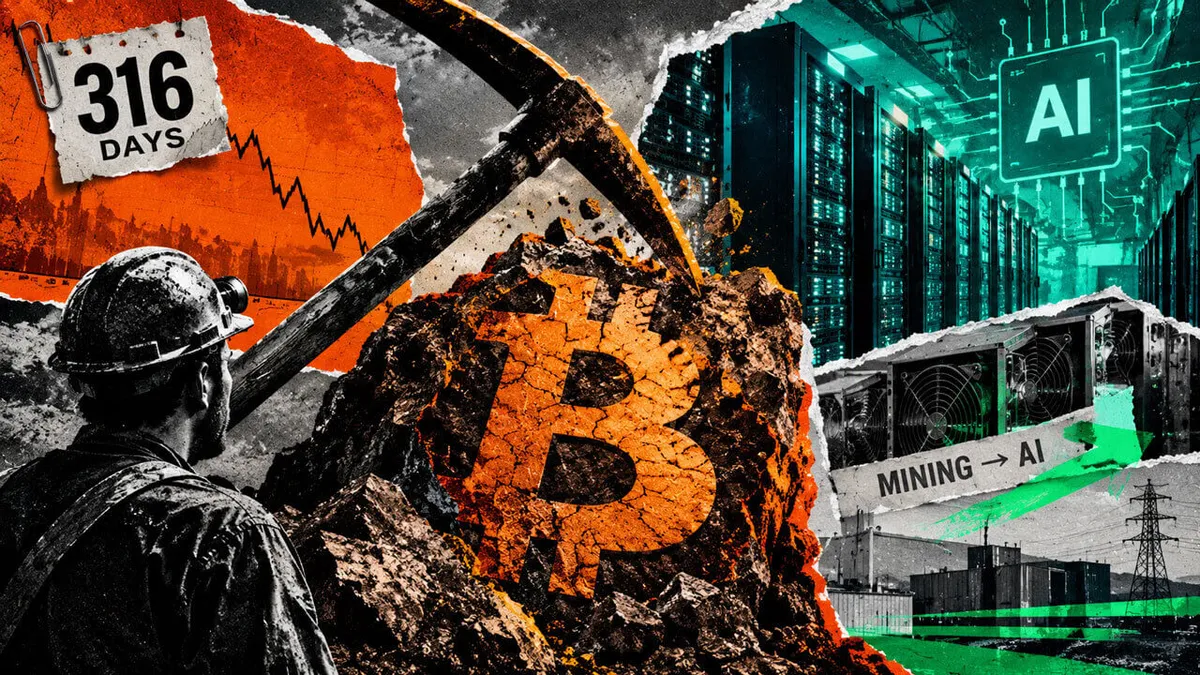
Bitcoin has been experiencing a significant hashrate drought lasting 316 days, raising concerns about the sustainability of its mining ecosystem. Recent reports indicate that while difficulty adjustments are temporarily increasing short-term mining capacity, the rise of artificial intelligence (AI) and high-performance computing (HPC) workloads is making it less attractive for converted power sites to engage in Bitcoin mining. As these alternative uses for electricity become more profitable, miners may find themselves at a further disadvantage in the competitive landscape.
Historically, Bitcoin's mining has been influenced by various factors including hardware advancements, energy costs, and regulatory developments. The current hashrate drought has been attributed to a combination of factors, including increased operational costs and a shift in focus towards more lucrative ventures such as AI. With Bitcoin mining heavily reliant on electricity, the emergence of AI workloads has created a scenario where energy resources are being diverted away from mining operations, thus exacerbating the existing downturn.
The implications of this trend for the Bitcoin market are significant. A sustained low hashrate can lead to slower transaction processing times and increased transaction fees, which may deter new users from entering the Bitcoin ecosystem. Additionally, if the mining community continues to shrink, it could compromise the network's security, making it more susceptible to attacks. The intersection of AI and Bitcoin mining presents a unique challenge that could hinder a rebound in hashrate levels, leaving the market in a precarious position.
Industry experts have expressed concern over the long-term viability of Bitcoin mining in the face of rising AI demands. Some analysts argue that this shift in energy allocation could lead to a permanent reduction in mining capacity, potentially reshaping the landscape of cryptocurrency. Others advocate for innovation in energy usage and mining technologies to adapt to this new reality. The consensus appears to be that without significant changes to the way mining operations are conducted or a revival in market conditions, the current downturn may persist.
Looking ahead, miners and stakeholders will need to explore alternative strategies to mitigate the impact of AI and HPC workloads on their operations. This could involve investing in more energy-efficient mining hardware or seeking out renewable energy sources to remain competitive. As the technological landscape evolves, so too must the strategies employed by those in the Bitcoin mining sector to ensure their sustainability and relevance in an increasingly complex market.

CoinMagnetic Team
Crypto investors since 2017. We trade with our own money and test every exchange ourselves.
Updated: September 2026
From our insights:
Related news

Tokenized stocks sustain trading momentum after Wall Street closing bells

Binance Pool winds down operations as computing power drops 65 percent

Hotter inflation triggers steep Wall Street selloff for major bitcoin miners

Binance Is Shutting Down Its Bitcoin Mining Pool After Six Years

Binance sets November 10 deadline to sunset mining pool and cloud mining services