Bitcoin price surges to $78k even as oil rises again creating new setup – what you need to know

Bitcoin has recently surged to a remarkable $78,000, capturing the attention of investors and analysts alike. This notable increase comes despite a concurrent rise in oil prices, particularly Brent crude, which jumped by 5.4% to close at $99.89 on April 21. The oil market is currently facing turbulence, primarily due to significant disruptions in shipping through the Strait of Hormuz. Reports indicate that only three ships managed to transit in the previous 24 hours, a stark decline from the usual 140 daily crossings before the onset of the ongoing conflict in the region. This confluence of rising oil prices and Bitcoin's ascent creates a unique and complex market landscape.
To understand the implications of this situation, it is essential to examine the historical context. Bitcoin has often been viewed as a hedge against inflation and economic instability, particularly in times of rising commodity prices. The roots of Bitcoin's popularity can be traced back to its inception during a financial crisis, positioning it as a digital alternative to traditional assets. The recent surge in oil prices, driven by geopolitical tensions, has historically led to increased volatility in broader financial markets. As investors seek refuge in alternative assets, Bitcoin often finds itself at the forefront of these moves.
This situation holds significant implications for the cryptocurrency market. The recent price surge could signal a renewed confidence in Bitcoin as a safe-haven asset, particularly as inflationary pressures mount globally. Additionally, the interplay between rising oil prices and Bitcoin's performance could attract a new wave of institutional investors looking to capitalize on the emerging trends. The dual dynamics of traditional commodities and cryptocurrency could reshape market strategies, leading to increased interest in Bitcoin as a viable alternative investment.
Industry experts and market analysts have weighed in on this development, highlighting the potential for Bitcoin to strengthen its position as a hedge against inflation and economic uncertainty. Some suggest that the current geopolitical landscape may encourage more investors to diversify their portfolios by including cryptocurrencies, particularly Bitcoin, as a means of mitigating risk. Additionally, analysts are closely monitoring how Bitcoin's price trajectory interacts with oil market fluctuations, as this relationship could provide insights into future trading patterns and investor sentiment.
Looking ahead, the market will likely remain attentive to both oil price movements and Bitcoin's performance. Any further escalation in geopolitical tensions could exacerbate the volatility in both markets, creating opportunities and risks for investors. As the situation unfolds, we anticipate that the interplay between these two assets will continue to shape investment strategies and market dynamics, prompting stakeholders to stay informed and agile in their approaches.

CoinMagnetic Team
Crypto investors since 2017. We trade with our own money and test every exchange ourselves.
Updated: April 2026
From our insights:
Related news

GameStop possibly forfeits $31 million in Bitcoin gains from options trade

Researchers trace 1.1 million Bitcoin to early miner but Satoshi's identity remains unclear

Bitcoin, ether perpetual volumes on Kalshi are dominated by an unusual, repetitive trade, data shows
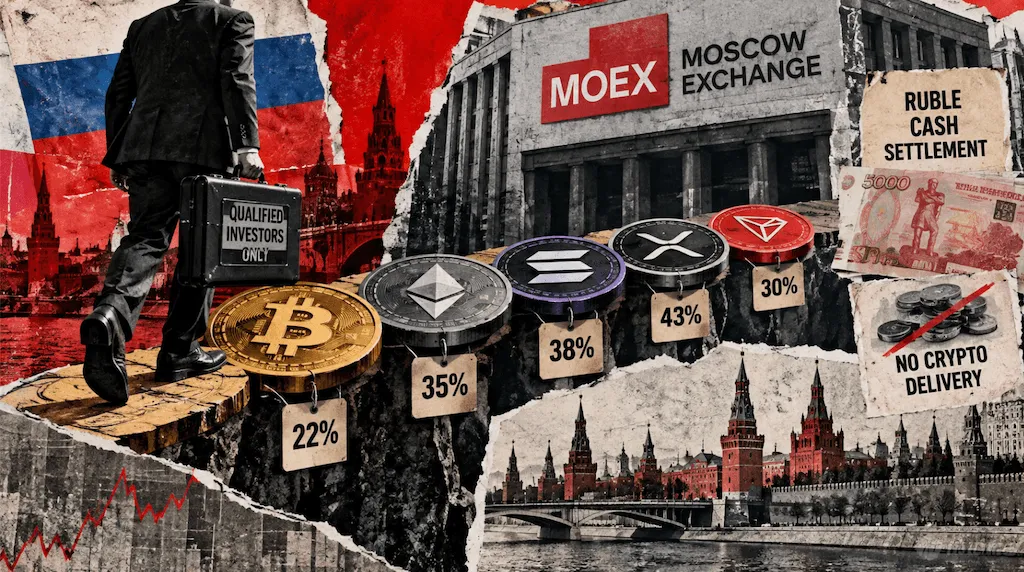
Moscow Exchange introduces 5 crypto perpetual futures amid 600 billion ruble demand

SoFi begins stablecoin settlement on Mastercard network for program expected to exceed $25 billion in annualized volume