Bitcoin price falls under $71K as US-Iran war tensions spark sell-off
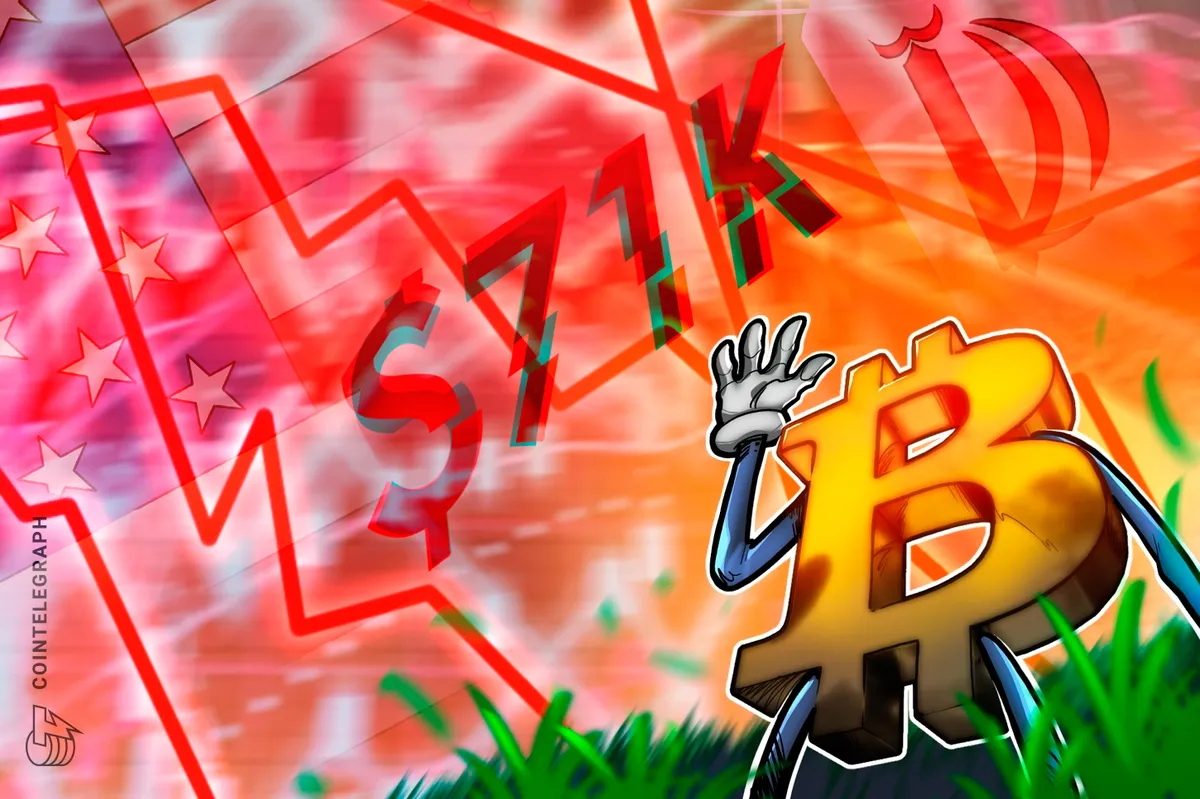
Bitcoin’s price has recently seen a significant downturn, falling below the $71,000 mark as tensions surrounding the ongoing US-Iran conflict have escalated. Following a breakdown in negotiations aimed at de-escalating the situation, investors reacted swiftly, leading to a sharp sell-off in the cryptocurrency market. The Strait of Hormuz, a crucial waterway for global oil transportation, has once again become a focal point of concern, prompting fears about potential disruptions and broader geopolitical instability. This has raised alarms among investors, leading to a cautious approach and selling pressure across various assets, including Bitcoin.
To understand the current situation, it is essential to consider the historical context of US-Iran relations, which have been fraught with tension for decades. The recent conflict has not only affected oil prices but has also had ripple effects across global markets. The breakdown of negotiations highlights the fragility of the situation, and as the US and Iran remain at an impasse, the potential for further military action or economic sanctions looms large. This geopolitical uncertainty has a direct impact on investor sentiment, particularly in the cryptocurrency markets, which are often viewed as risk-sensitive.
The implications of this sell-off can be profound for the broader market. Bitcoin, often considered a safe haven asset, is now facing the reality that geopolitical tensions can lead to volatility, similar to traditional markets. As investors reassess their positions in light of these developments, we might see increased volatility not only in Bitcoin but across other cryptocurrencies as well. A sustained decline below key psychological levels could trigger further selling, as traders look to minimize losses amid an uncertain geopolitical landscape.
Industry reactions to this downturn have varied. Some experts warn that this could be a sign of deeper issues within the crypto market, while others argue that such fluctuations are part of the broader volatility that cryptocurrencies have historically exhibited. Notably, some analysts believe that Bitcoin could eventually rebound as investors seek refuge in digital assets once the initial panic subsides. There is also a sentiment that, despite current challenges, Bitcoin's long-term fundamentals remain intact, with many still viewing it as a hedge against inflation and geopolitical instability.
Looking ahead, the key question will be how the situation evolves in the coming weeks. Should negotiations resume or a de-escalation occur, we could see a corresponding rebound in both Bitcoin and broader market sentiment. However, if tensions escalate further, the potential for additional downward pressure on Bitcoin remains a distinct possibility. Investors will be closely monitoring developments in the US-Iran situation, as it could significantly influence trading strategies and market dynamics in the near future.

CoinMagnetic Team
Crypto investors since 2017. We trade with our own money and test every exchange ourselves.
Updated: April 2026
From our insights:
Related news
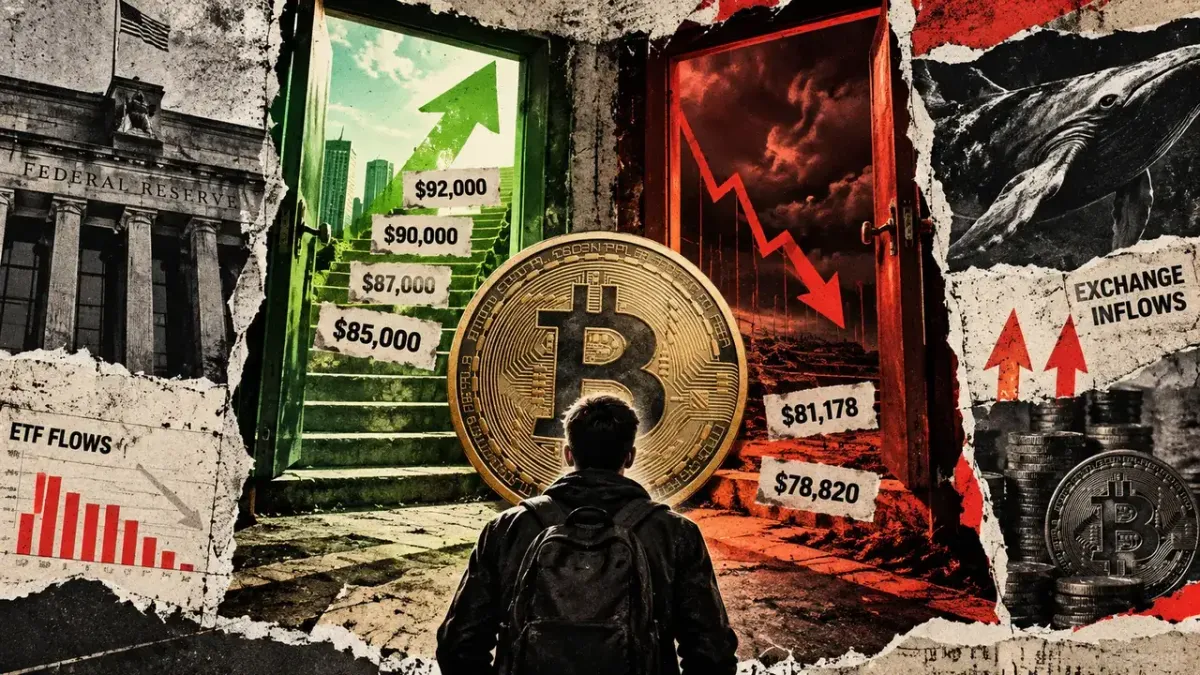
Bitcoin's weekly close above $81,000 signals potential rise to $90,000

Elon Musk's X integrates bitcoin trading options for U.S. users
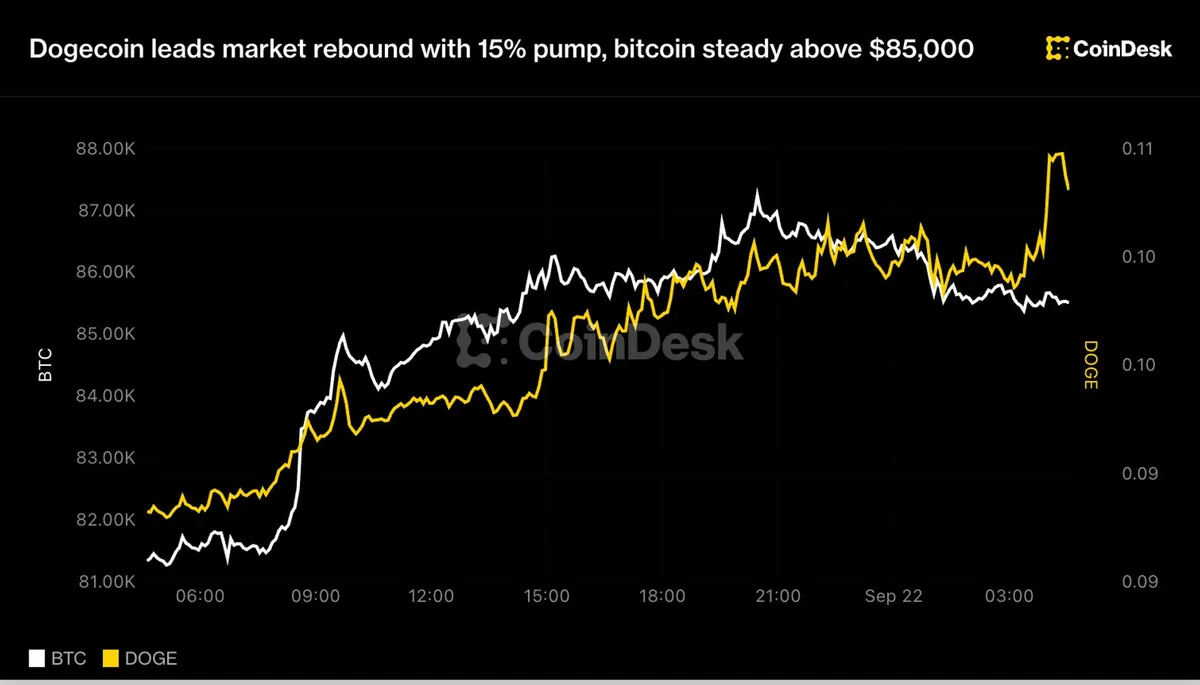
Dogecoin's 15% surge drives market recovery as bitcoin stabilizes above $85,000

Cardano adds tools for AI agent payments, joining Solana and XRP Ledger

Trueo prediction market moves from Base to Ethereum