Bitcoin isn't crashing because of Saylor, it's losing the momentum trade
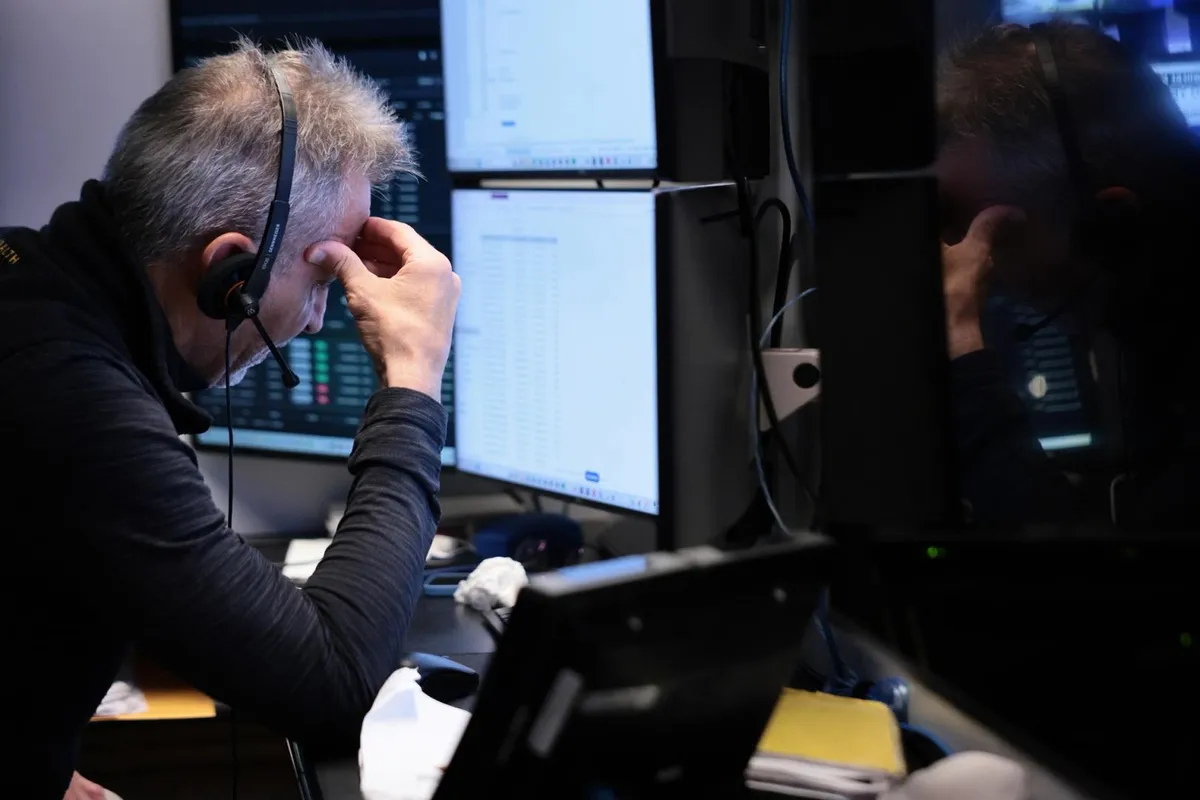
Bitcoin has recently experienced a notable decline in value, sparking discussions among investors and analysts alike. According to Jim Ferraioli from Charles Schwab, this weakness should not be attributed solely to concerns around Michael Saylor's sales of Bitcoin. Instead, he emphasizes that the cryptocurrency's downturn is part of a broader market trend, where investors are shifting their attention and capital into other momentum trades such as artificial intelligence (AI) and initial public offerings (IPOs). This shift signals a transition in market sentiment, highlighting that Bitcoin's struggles are more reflective of changing investor priorities rather than a direct fallout from individual actions.
To understand the context of this situation, it's essential to consider the recent performance of Bitcoin and other assets. The cryptocurrency market has always been volatile, often swaying based on news, regulatory changes, and macroeconomic factors. However, the current rotation into sectors like AI–known for their rapid growth and innovation–has captivated investor interest. Moreover, the excitement surrounding upcoming IPOs has further diverted funds away from cryptocurrencies, leading to a reduced momentum for Bitcoin. This backdrop illustrates how the dynamics between different asset classes can significantly influence Bitcoin's market behavior.
This shift away from Bitcoin toward other high-growth sectors matters greatly for the cryptocurrency market. As investors reallocate their portfolios, Bitcoin may face downward pressure, affecting its price stability and overall market cap. The loss of momentum could potentially deter new investors who are seeking the next big opportunity, further compounding Bitcoin's challenges. Additionally, as Bitcoin has often been viewed as a hedge against inflation and economic instability, its diminished appeal in the current market environment raises questions about its long-term resilience and positioning within the broader financial landscape.
Industry reactions to this trend have been mixed, with some experts advocating for a temporary dip while maintaining a long-term bullish outlook on Bitcoin. Others express concern that the shift toward AI and tech-driven assets could signify a more profound change in investor psychology, where traditional safe havens like Bitcoin may no longer hold the same allure. Analysts are split on whether this trend will lead to a sustained decline in Bitcoin’s price or if it will rebound once market conditions stabilize. The general consensus, however, underscores the importance of keeping a close watch on investor sentiment and the performance of competing asset classes.
Looking ahead, the critical question for Bitcoin and its supporters is whether it can regain its momentum amid a rapidly evolving market landscape. As the allure of AI and IPOs continues to grow, Bitcoin will need to demonstrate its value and utility as an asset to attract investor interest once more. Additionally, market players will be keen to see how external factors, such as regulatory developments and macroeconomic indicators, will shape the future trajectory of Bitcoin. As investors navigate these complexities, the coming weeks will be pivotal in determining if Bitcoin can reclaim its place as a leading asset in the investment world.

CoinMagnetic Team
Crypto investors since 2017. We trade with our own money and test every exchange ourselves.
Updated: June 2026
From our insights:
Related news
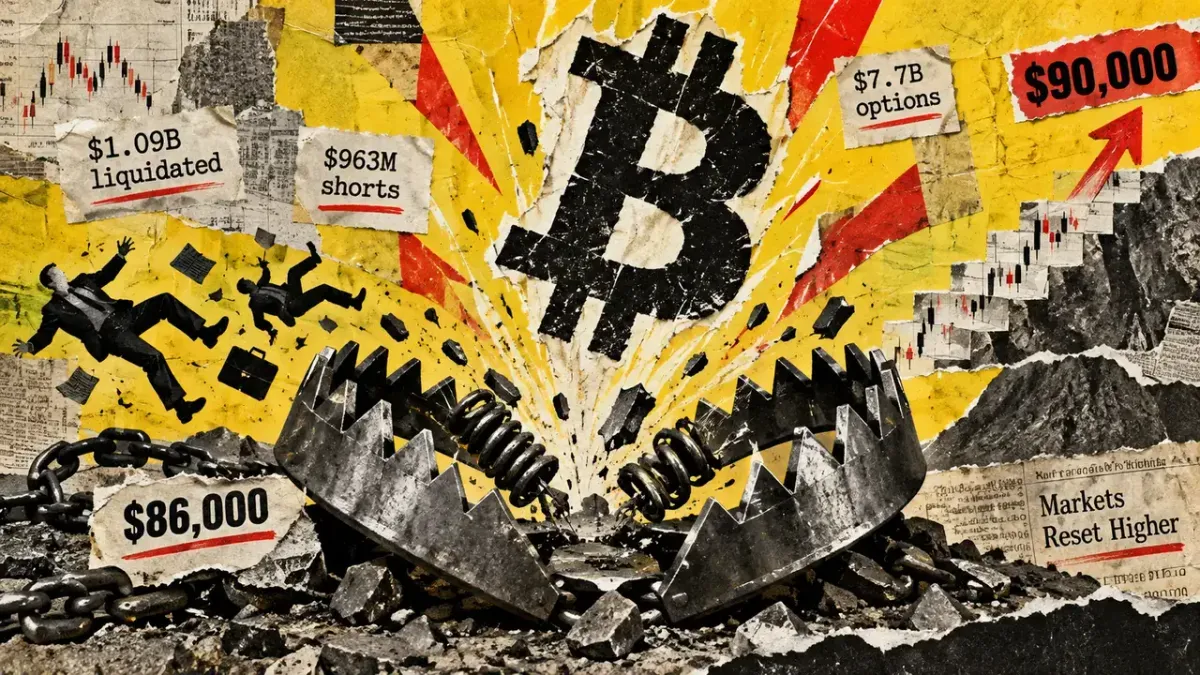
Bitcoin surges past $86,000 as $1 billion in shorts are liquidated, eyes on $90,000
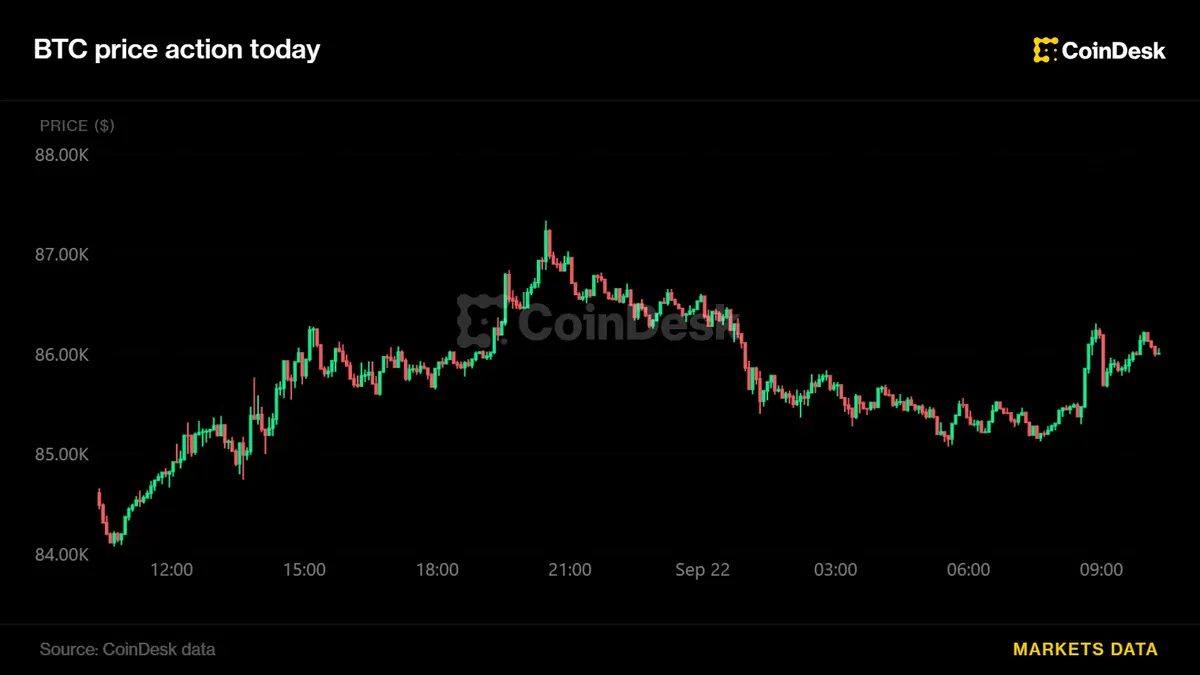
Bitcoin bounces back to $86,000 as oil prices decline and stocks rise

Prediction markets projected to reach $10 trillion by 2035, surpassing sports
Iran hints at reopening Strait of Hormuz, WTI oil drops to $89

New altseason signal emerges as Bitcoin market cap stays under 60%