Bitcoin miners’ real prize is power as AI reshapes mining
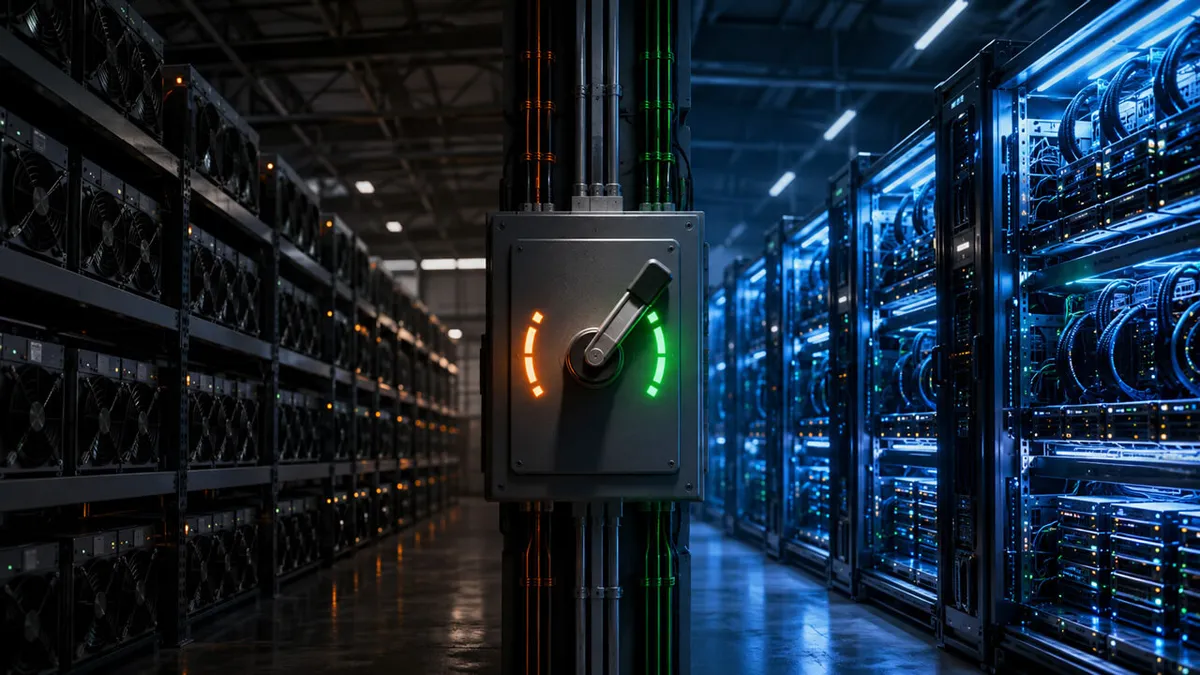
Recent insights indicate a significant shift in the Bitcoin mining landscape, focusing on the value of electricity over the mined cryptocurrency itself. As Bitcoin miners have spent years in a relentless pursuit of cheap electricity, this resource has now emerged as a more lucrative asset than the Bitcoin mining operations that depend on it. This trend is underscored by Fidelity's assessment that, by May 2026, the integration of artificial intelligence (AI) hosting could provide miners with an additional revenue stream. This shift may also contribute to a flattening of Bitcoin’s hash rate, as major players in the sector begin to redirect their energy infrastructure towards AI applications rather than solely mining activities.
To understand the current state of Bitcoin mining, it is essential to consider its historical context. In the early days of Bitcoin, mining was predominantly a hobbyist activity, with miners operating on personal computers. However, as the network grew and the difficulty of mining increased, dedicated mining farms emerged, driven by the need for specialized hardware and cheap electricity. Over the years, miners have strategically sought locations with low energy costs, leading to the establishment of operations in regions with abundant and inexpensive power sources. Now, as energy prices fluctuate and the demand for electricity surges in various sectors, miners find themselves in a unique position where their access to power may outweigh the profitability of Bitcoin itself.
This shift in focus from mining Bitcoin to leveraging electricity reflects broader trends in the market. As Bitcoin’s price continues to experience volatility, miners are increasingly reevaluating their business models. The idea of diversifying into AI hosting offers a competitive advantage and a potential lifeline for miners who may struggle with traditional revenue streams. By capitalizing on the growing demand for AI infrastructure, miners can stabilize their income and reduce reliance on Bitcoin price fluctuations. This transformation could have significant implications for the market, potentially influencing Bitcoin’s hash rate and overall network security.
Industry reactions to these developments are varied, with some experts expressing optimism over the potential for miners to evolve their operations. They argue that this diversification will not only enhance the resilience of mining operations but also promote innovation within the sector. Others, however, caution against the risks associated with such a transition. They highlight that while AI hosting may present new opportunities, it also requires substantial investments in technology and infrastructure that could strain smaller mining operations. The balance between traditional mining and emerging technologies like AI will be crucial in determining the future landscape of the industry.
Looking ahead, the next few years will be pivotal for Bitcoin miners as they navigate this changing terrain. The anticipated rise of AI hosting could reshape their business models and redefine the role of energy in the mining process. As miners adapt to these new realities, we will likely see an increased emphasis on energy efficiency and innovative uses of power. The evolving relationship between Bitcoin mining and AI will continue to capture attention, as stakeholders seek to understand the implications for the cryptocurrency ecosystem and the broader energy market.

CoinMagnetic Team
Crypto investors since 2017. We trade with our own money and test every exchange ourselves.
Updated: May 2026
From our insights:
Related news
Power cuts to Bitcoin miners may paradoxically increase energy consumption

Grayscale’s Zcash ETF plans 3-for-1 split after $233 million inflow surge
Zcash community votes to maintain halvings while delaying recycled ZEC until 2031
Zcash surges 168% in a month, nearing $1,400 after halving decision
Zcash miner Fortitude names former Hut 8 chief Jaime Leverton CEO ahead of Nasdaq deal
