Bitcoin miners have until 2027 to prove they deserve power on America’s overloaded grid
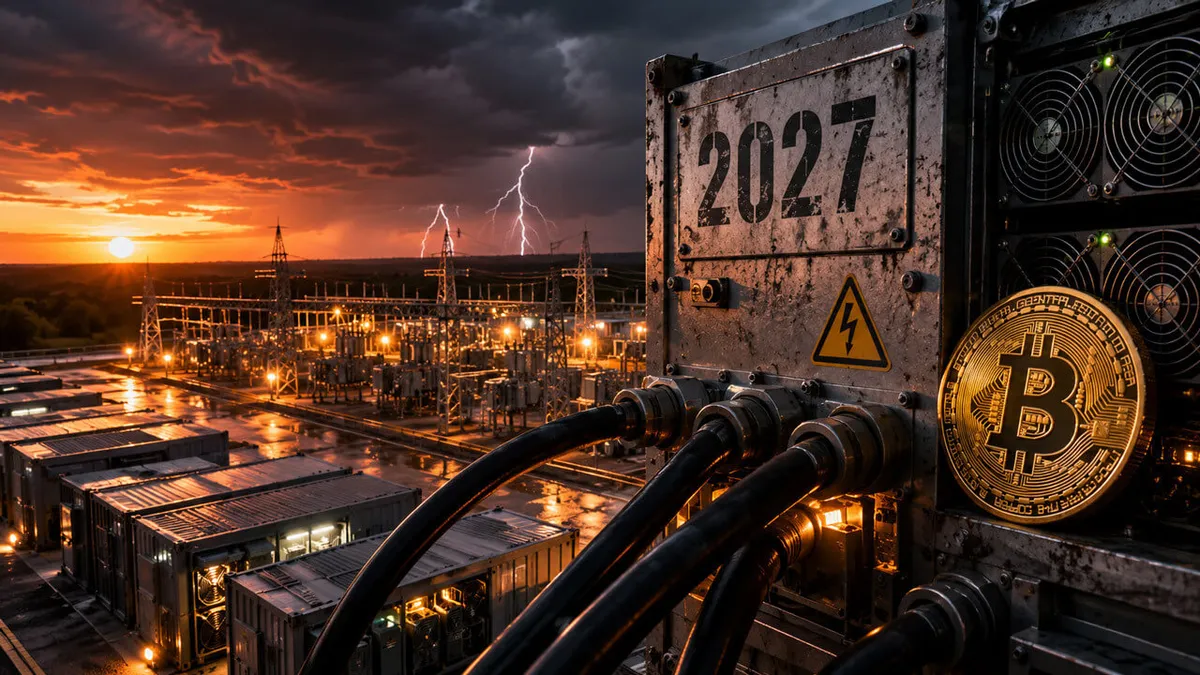
Bitcoin miners in the United States are confronting a significant challenge as they are required to demonstrate their value to the nation's increasingly strained electricity grid. The U.S. Energy Information Administration (EIA) has projected a marked rise in electricity consumption, forecasting an increase from 4,195 billion kilowatt-hours in 2025 to 4,399 billion in 2027. This surge is attributed to various factors, including the growth of AI data centers, the expansion of cryptocurrency operations, and a broader push towards electrification across numerous sectors. With the deadline set for 2027, miners must now strategize on how to integrate their operations sustainably into the existing grid.
To understand the implications of this situation, it's essential to consider the historical landscape of Bitcoin mining and its energy demands. Traditionally, the mining process has been criticized for its high energy consumption, leading to ongoing debates about its environmental impact. Many regions have welcomed mining operations due to their potential economic benefits, such as job creation and increased local revenue. However, as electricity demand rises, regulators and energy providers are becoming more scrutinous about how miners utilize power resources. The looming deadline for miners to prove their worth in terms of energy efficiency and sustainability places additional pressure on an already contentious industry.
This development is particularly important for the broader cryptocurrency market as it highlights the ongoing tension between economic growth and environmental responsibility. If Bitcoin miners fail to adapt and demonstrate their commitment to sustainability, they risk facing regulatory pushback or even restrictions on their operations. Such outcomes could lead to decreased mining activity, impacting Bitcoin's overall network security and potentially influencing its market price. Furthermore, the evolving energy landscape may push miners to innovate in energy efficiency or seek alternative energy sources, which could reshape the industry's future.
Responses from industry experts and stakeholders have varied, with some expressing optimism about the miners' ability to adapt and innovate. Several mining operations have already begun investing in renewable energy sources or developing strategies to reduce their carbon footprint. Others, however, voice skepticism, arguing that the industry's historical patterns suggest a resistance to change. Analysts suggest that the next few years will be critical in determining whether the industry can align itself with the shifting energy demands and regulatory expectations.
Looking ahead, the pressure is on Bitcoin miners to prove their resilience and adaptability in a rapidly changing energy landscape. As the 2027 deadline approaches, we can expect to see increased collaboration between miners and energy providers, along with potential innovations in energy management. Additionally, ongoing discussions about regulatory frameworks will play a crucial role in shaping the future of Bitcoin mining in the U.S. and its relationship with the national grid. The outcome of this real-world test will not only affect miners but could also set precedents for other energy-intensive industries striving for sustainability in the face of growing demand.

CoinMagnetic Team
Crypto investors since 2017. We trade with our own money and test every exchange ourselves.
Updated: July 2026
From our insights:
Related news

Fortitude commits up to $100 million to enhance Zcash mining capabilities

EU regulators scrutinize Binance's MiCA exemption for customer services

Riot Platforms pays off $200 million credit facility, freeing up collateral

Bitcoin surpassing $85,000 production cost may reduce miner sell-off pressure
Power cuts to Bitcoin miners may paradoxically increase energy consumption