Mining difficulty climbs as smaller operators absorb abandoned equipment
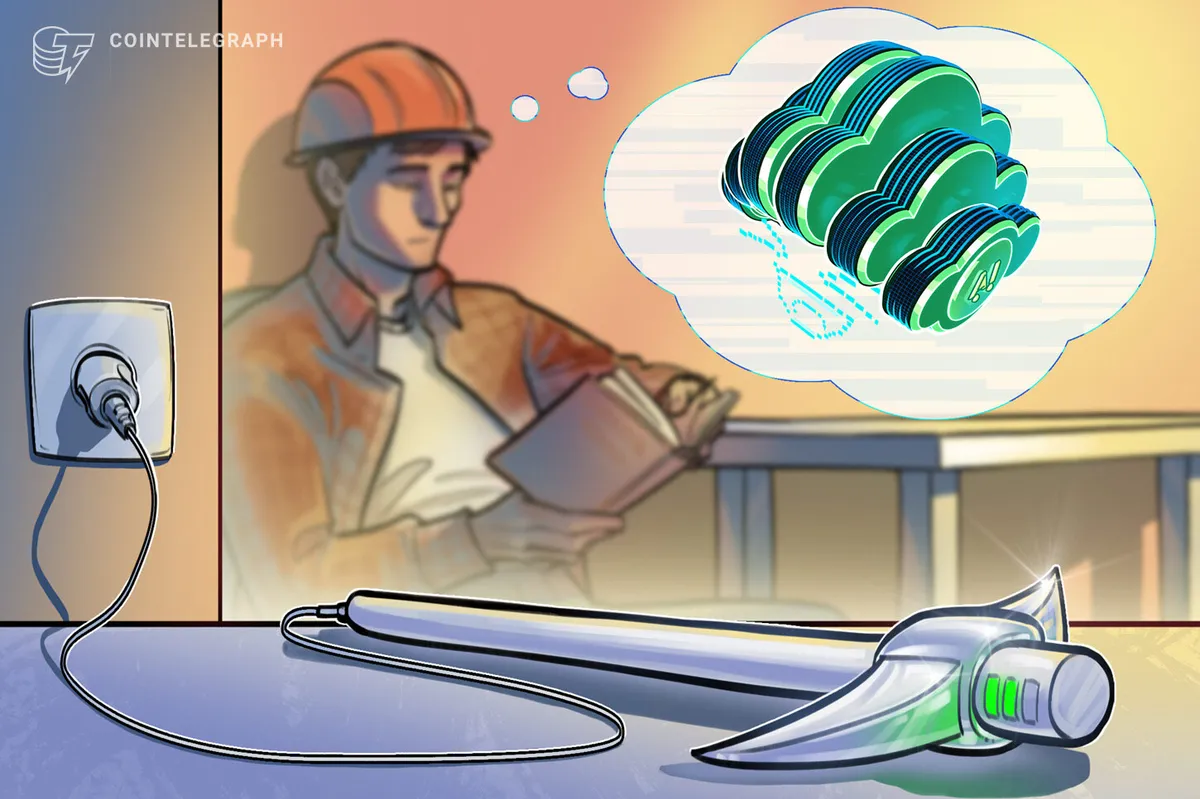
Bitcoin mining competition continues to intensify across the global network, driving the total hashrate to a seven-month high. Recent data shared by BlocksBridge reveals that the difficulty of mining new blocks is steadily rising, defying expectations that the industry's ongoing pivot toward artificial intelligence would alleviate pressure on infrastructure. Instead of easing capacity, the market is witnessing a dynamic reallocation of hardware resources as mining operations adapt to shifting economic realities.
This trend unfolds against the backdrop of a broader structural evolution within the digital asset sector. Over the past year, numerous large-scale mining firms have aggressively diversified their business models by leasing out facility space and electrical power to high-performance computing and artificial intelligence developers. Market analysts previously predicted this strategic shift would lead to a noticeable contraction in total hashing power, theoretically giving remaining miners an easier path to profitability.
However, the latest network metrics show that hashing power has not only held firm but expanded significantly over the past seven months. This resilience matters deeply for the broader crypto market because it underscores the persistent security and robust decentralization of the Bitcoin network, even as profit margins face continuous compression from halving effects and fluctuating energy costs. The inability of the AI pivot to lower network difficulty demonstrates that mining infrastructure capacity is far larger than anticipated.
Industry observers note that this phenomenon is largely driven by smaller operators stepping in to acquire and deploy application-specific integrated circuits abandoned or sold off by larger, AI-focused competitors. While institutional players chase lucrative computing contracts in the artificial intelligence sector, independent miners and smaller pools are quietly consolidating market share. This grassroots absorption of hardware keeps the global hashrate operating at elevated levels despite changing corporate strategies among industry leaders.
As the network moves forward, all eyes will be on how these smaller operators manage their operational expenses amid ongoing difficulty adjustments. If energy prices remain favorable and secondary hardware markets stay active, the hashrate could sustain its upward trajectory. The interplay between artificial intelligence demands and traditional proof-of-work mining will likely continue shaping the competitive landscape for months to come.

CoinMagnetic Team
Crypto investors since 2017. We trade with our own money and test every exchange ourselves.
Updated: October 2026
From our insights:
Related news

Crypto miners pivot to GPU rentals as neoclouds power the artificial intelligence boom
CryptoQuant links surging Bitcoin hashrate to institutional public miner return

Microsoft scraps Nscale AI chip deal in the U.K. as power grid delays hit 2030s

Tokenized stocks sustain trading momentum after Wall Street closing bells
Binance Pool winds down operations as computing power drops 65 percent