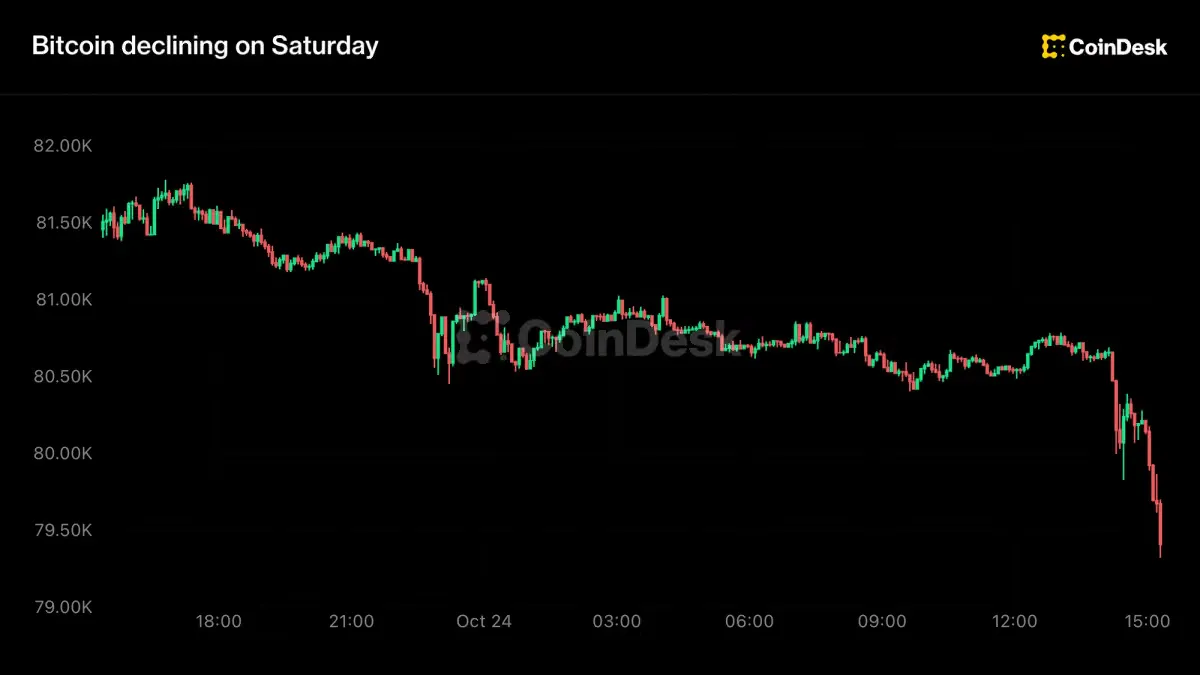
Bitcoin drops alongside US stocks as PPI overshoots expectations

Bitcoin experienced a notable decline as it tracked the movement of US stocks, driven by higher-than-expected inflation data and surging oil prices. The Producer Price Index (PPI) figures released recently indicated that inflation remains stubbornly high, prompting fears among investors. This inflationary pressure is compounded by the increase in the 30-year bond yield, which has now reached a 19-year high, signaling concerns over rising interest rates and economic stability. As a result, Bitcoin's value has taken a hit, reflecting broader market sentiments.
The backdrop to this drop is rooted in persistent inflationary trends that have plagued the US economy for some time. The PPI, which measures the average change over time in the selling prices received by domestic producers for their output, has surprised analysts with its upward trajectory. Coupled with escalating oil prices, which have surged due to geopolitical tensions and supply chain constraints, the economic environment is becoming increasingly volatile. Investors are grappling with the implications of these factors on both traditional and digital assets.
This decline in Bitcoin's value is significant for the cryptocurrency market, as it highlights the sensitivity of digital assets to macroeconomic indicators. A high PPI can lead to expectations of tighter monetary policy from the Federal Reserve, which could have far-reaching effects on liquidity in the market. The rising bond yields also suggest a shift in investor preferences towards safer assets, which could further pressure Bitcoin and other cryptocurrencies in the short term. This correlation with traditional financial markets underscores the challenges Bitcoin faces in establishing itself as a hedge against inflation.
Industry experts have weighed in on the situation, noting that the current market dynamics are creating a challenging environment for crypto investors. Some analysts argue that the sustained rise in bond yields could lead to a prolonged period of volatility in the crypto space. Others suggest that Bitcoin's fundamentals remain strong, and any price corrections may present buying opportunities for long-term holders. The consensus appears to be one of caution, as investors await clearer signals from the Federal Reserve regarding its monetary policy direction.
Looking ahead, the market will be closely monitoring upcoming economic indicators and Federal Reserve communications. Any further signs of inflationary pressure or changes in interest rate expectations could influence Bitcoin's trajectory in the near term. As the situation evolves, the interplay between traditional markets and cryptocurrencies will continue to be a focal point for investors navigating this complex landscape.

CoinMagnetic Team
Crypto investors since 2017. We trade with our own money and test every exchange ourselves.
Updated: September 2026
From our insights:
Related news

CoinDCX lost $16 million in retired wallets despite CEO dismissing initial breach reports

Keystone hardware wallet users challenge data deletion claims following breach

EU targets 2027 for digital euro testing as ECB warns on monetary sovereignty

Latvia aims for 2027 commercial property tokenization rules under Valainis

Google Quietly Updates Privacy Policy to Let Gmail and Photos Data Feed Ads