Bitcoin, ether, solana slide, oil jumps on renewed U.S.-Iran war risks

Bitcoin has seen a modest pullback, trading at $74,335 following renewed tensions in the Middle East, specifically regarding Iran's reimposition of controls over the crucial Strait of Hormuz. This geopolitical development has created ripples across various markets, with Bitcoin experiencing a 1.6% decline. In stark contrast, Brent crude oil prices surged by 5.7%, reflecting the heightened concerns surrounding potential interruptions in oil supply routes. Additionally, European equity futures dropped by 1.2%, indicating the broader market's response to these geopolitical anxieties.
The Strait of Hormuz is a vital shipping lane for global oil, with a significant portion of the world's oil supply passing through it. Iran’s decision to reassert control over this critical area can be traced back to ongoing tensions between the U.S. and Iran, which have historically influenced oil prices and market stability. The reimposition of these controls is a reminder of the fragility of geopolitical relations in the region and their potential to impact global markets, including cryptocurrencies, which often react to macroeconomic shifts.
This latest development is particularly noteworthy as it highlights the interconnectedness of the cryptocurrency market with traditional commodities like oil. The modest decline in Bitcoin's price amid a significant rise in oil suggests that investors may be reallocating their resources in response to perceived risks, opting for assets that are more directly correlated with geopolitical events. As oil prices climb, we may observe a shift in investor sentiment, with a potential decrease in appetite for riskier assets like Bitcoin in the short term.
Industry experts are weighing in on the situation, emphasizing that while cryptocurrencies like Bitcoin are often seen as a hedge against traditional market fluctuations, geopolitical events can sway investor confidence. Some analysts suggest that the current market dynamics could lead to increased volatility for Bitcoin as investors navigate the uncertainty. Others argue that Bitcoin's fundamentals remain strong, and that it could recover quickly as the situation stabilizes. The divergence between the performance of Bitcoin and oil illustrates the complex landscape that investors must navigate in today's market.
Looking ahead, the team will be monitoring developments in the Middle East closely, as further escalations could lead to additional market fluctuations. Investors may need to remain vigilant, as the potential for increased volatility in both oil and cryptocurrency markets could create opportunities or challenges. As the situation evolves, we will keep an eye on how crypto assets respond to geopolitical tensions and whether they will maintain their resilience in the face of traditional market pressures.

CoinMagnetic Team
Crypto investors since 2017. We trade with our own money and test every exchange ourselves.
Updated: April 2026
From our insights:
Related news

GameStop possibly forfeits $31 million in Bitcoin gains from options trade

Researchers trace 1.1 million Bitcoin to early miner but Satoshi's identity remains unclear

Bitcoin, ether perpetual volumes on Kalshi are dominated by an unusual, repetitive trade, data shows
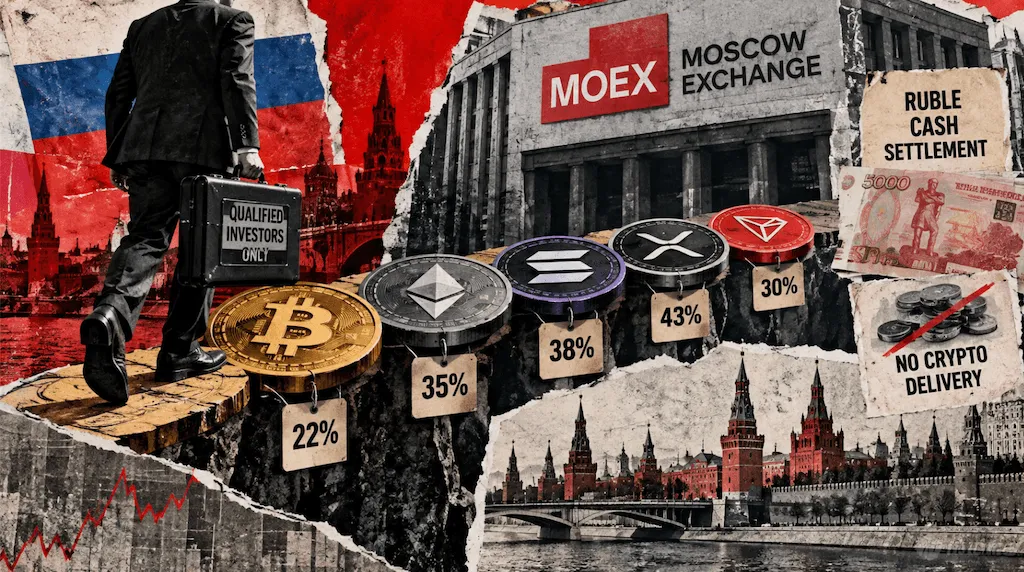
Moscow Exchange introduces 5 crypto perpetual futures amid 600 billion ruble demand

SoFi begins stablecoin settlement on Mastercard network for program expected to exceed $25 billion in annualized volume