Bitcoin tanks below $63,000 for the first time since February as price selloff deepens
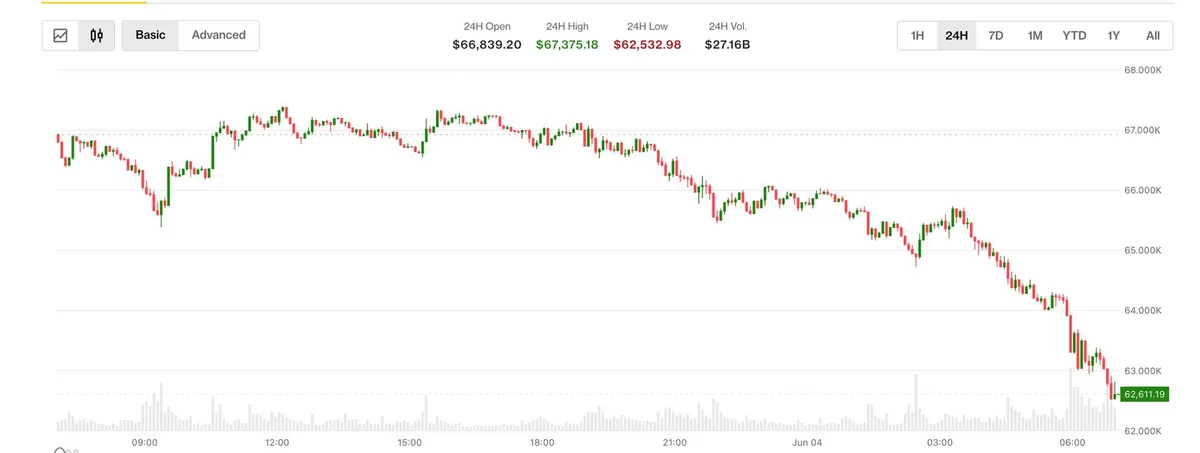
Bitcoin has recently experienced a significant downturn, dropping below the $63,000 mark for the first time since February. This sharp decline in price has sent ripples through the crypto market, prompting heightened volatility and a surge in protective trading strategies. The selloff has intensified concerns among investors, leading to increased demand for options that offer downside protection. As a result, the fear gauge–a measure of market sentiment–has risen, indicating that traders are bracing themselves for further fluctuations.
To understand the current situation, it is essential to consider the broader context of Bitcoin's performance over the past few months. After reaching an all-time high of nearly $70,000 earlier this year, Bitcoin has faced a series of challenges that have contributed to its declining value. Factors such as regulatory scrutiny, macroeconomic pressures, and changes in investor sentiment have all played a role in shaping the market dynamics. The recent price plunge is reflective of these underlying issues and highlights the volatile nature of cryptocurrencies.
This decline matters for the market as it not only affects Bitcoin but also has a cascading effect on the entire cryptocurrency ecosystem. Many altcoins and other digital assets closely follow Bitcoin's lead, and a significant drop in its value often results in a broader selloff across the market. Furthermore, this environment of uncertainty can deter new investors from entering the space, which may stifle market growth and innovation in the long term. The increase in protective options trading suggests that traders are becoming more risk-averse, which could signal a shift in market sentiment.
Industry reactions to the recent selloff have been varied, with some experts cautioning against panic selling while others suggest that the current environment presents buying opportunities. Analysts emphasize that market corrections are a natural part of the cryptocurrency cycle and that historically, Bitcoin has shown resilience in bouncing back from downturns. However, there are voices of concern regarding the potential for a prolonged bearish phase if macroeconomic conditions do not improve or if regulatory pressures continue to mount.
Looking ahead, it will be crucial to monitor the factors that could influence Bitcoin's recovery or further decline. Market participants will be keen to see how the broader economic landscape evolves, particularly regarding interest rates and inflation. Additionally, the ongoing developments in regulatory frameworks around cryptocurrencies will play a significant role in shaping investor confidence. As the market navigates this turbulent period, we will continue to watch for signs of stability and potential recovery strategies that could emerge in the wake of this recent selloff.

CoinMagnetic Team
Crypto investors since 2017. We trade with our own money and test every exchange ourselves.
Updated: June 2026
From our insights:
Related news

SoFi begins stablecoin settlement on Mastercard network for program expected to exceed $25 billion in annualized volume
A $3.2 million 'bitcoin butterfly' option trade bets on $95,000 by the end of October

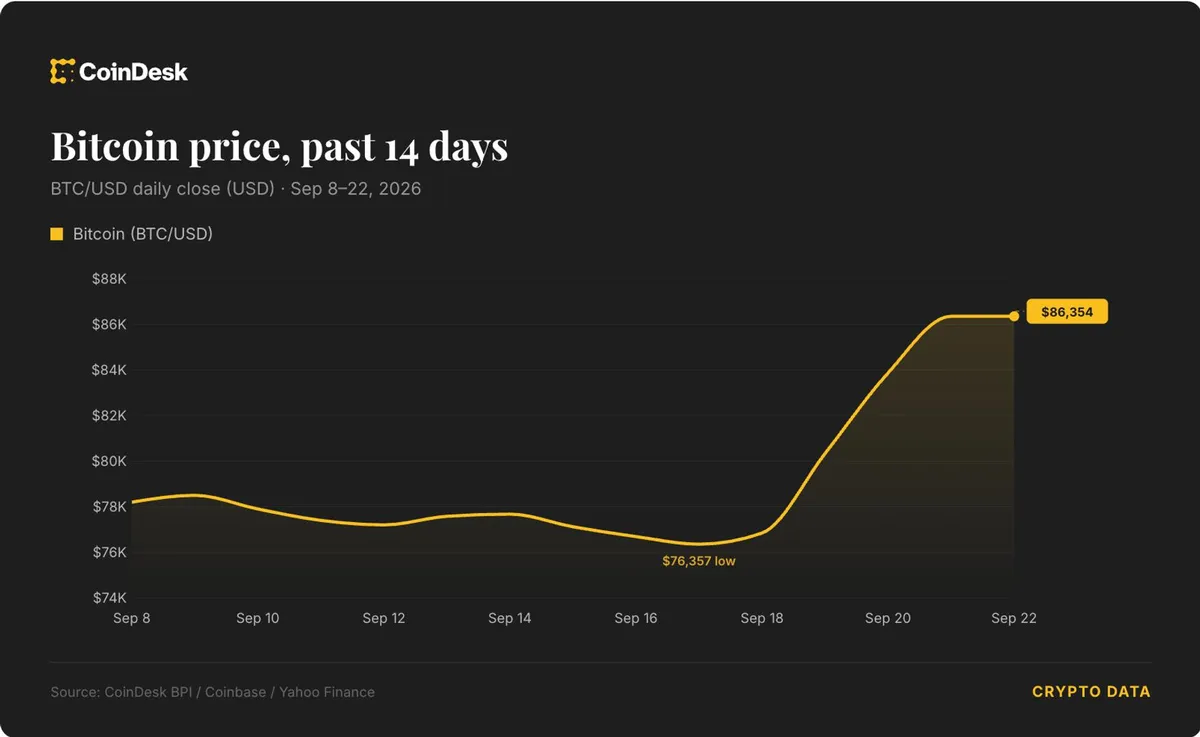
Bitcoin surges past $86,000 as $1 billion in shorts are liquidated, eyes on $90,000
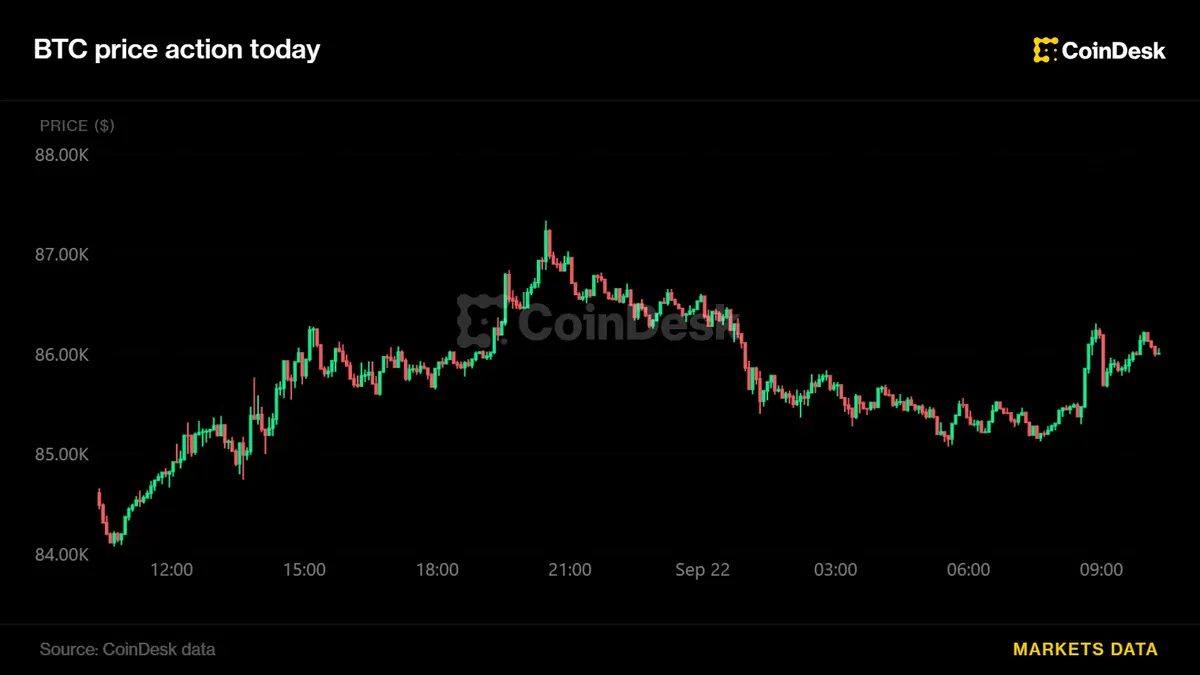
Bitcoin bounces back to $86,000 as oil prices decline and stocks rise

Prediction markets projected to reach $10 trillion by 2035, surpassing sports