Bitcoin ETFs Shed $465M Over Two Days, Led by BlackRock's IBIT
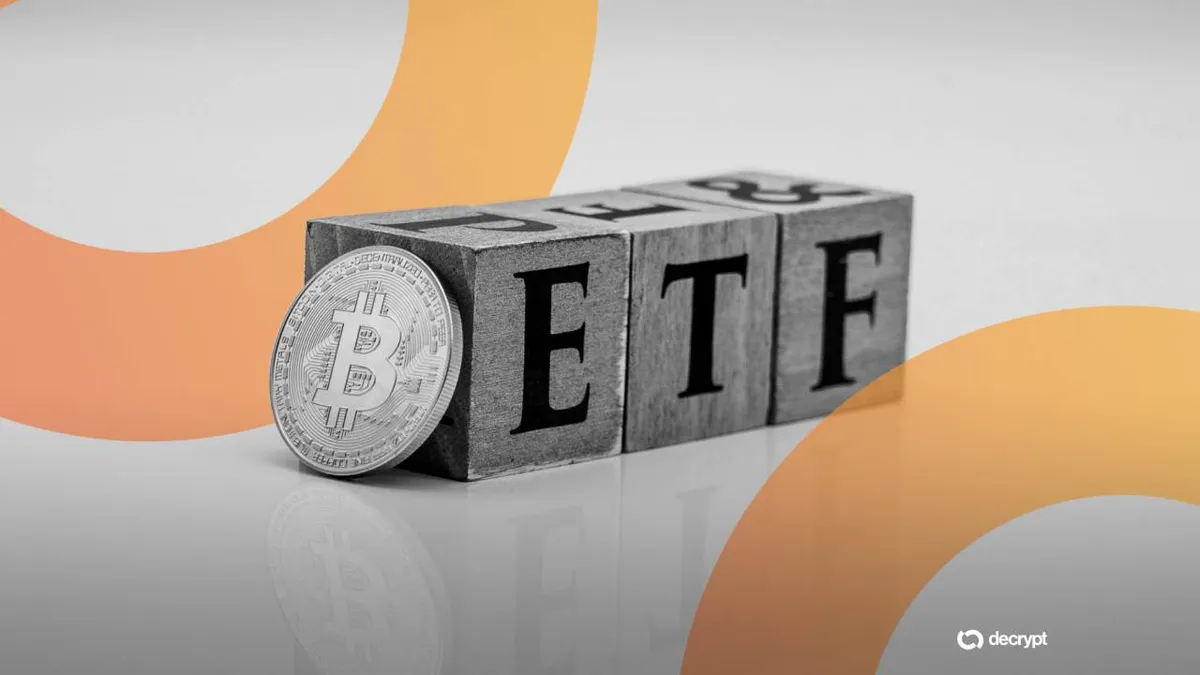
In a surprising turn of events, Bitcoin exchange-traded funds (ETFs) experienced a significant outflow of $465 million within just two days, primarily driven by the BlackRock Bitcoin ETF (IBIT). This sharp sell-off has effectively reversed a previous seven-day inflow streak that had seen over $1 billion in new investments flow into Bitcoin ETFs. Market analysts suggest that the recent volatility can be attributed to a combination of rising tensions between the U.S. and Iran, along with renewed concerns over potential interest rate hikes by the Federal Reserve. This sudden shift highlights how macroeconomic factors and geopolitical events can have immediate impacts on the cryptocurrency market.
To understand the current situation, it's essential to consider the context surrounding Bitcoin ETFs and their role in the broader cryptocurrency ecosystem. Bitcoin ETFs have gained immense popularity as they provide traditional investors with a regulated and accessible way to invest in Bitcoin without having to hold the cryptocurrency directly. The inflow of capital into these funds over the past week had been encouraging, reflecting a growing acceptance of Bitcoin as a legitimate asset class. However, the abrupt reversal marks a stark reminder of the volatility inherent in both the crypto market and the influence of external factors on investor sentiment.
This outflow of funds is significant for the market, not just for the immediate impact on Bitcoin's price but also for the broader perception of institutional interest in cryptocurrencies. The previous inflow indicated a bullish sentiment among investors, suggesting a potential maturation of the market. However, the recent sell-off raises concerns about the stability of this interest, especially in the face of macroeconomic pressures. The apprehension surrounding U.S.-Iran relations and the Federal Reserve's monetary policy could deter potential investors, leading to further volatility in the coming days.
Industry reactions to this development have been mixed, with some experts expressing concern over the potential for prolonged downturns in Bitcoin prices, while others remain optimistic about the long-term outlook. Analysts are closely monitoring the situation, noting that while short-term fluctuations can be troubling, the fundamentals for Bitcoin and the broader crypto market remain strong. Some industry insiders argue that the sell-off may present a buying opportunity for investors willing to weather the storm, emphasizing the importance of a long-term perspective in a market known for its cyclical nature.
Looking ahead, the market will likely remain sensitive to both geopolitical developments and economic indicators. Investors and analysts will be keenly watching for any announcements from the Federal Reserve regarding interest rates, as well as any updates on U.S.-Iran relations that could further influence market sentiment. As the situation unfolds, it is clear that both institutional and retail investors will need to navigate the complexities of the market with care, balancing short-term reactions with long-term investment strategies.

CoinMagnetic Team
Crypto investors since 2017. We trade with our own money and test every exchange ourselves.
Updated: July 2026
From our insights:
Related news

Spot bitcoin funds pull in $301 million to reverse a two-week outflow trend

Franklin Templeton adds $150 million in fund shares to XRP Ledger, all in one wallet

Morning Minute: a16z Drops 'Crypto' From Its Fund

HSBC brings RedCoin stablecoin wallets to PayMe users in Hong Kong

US spot Bitcoin ETFs erase $175 million in net monthly gains following outflows