Tether retains control of T-bills despite 650 million people decentralizing US debt
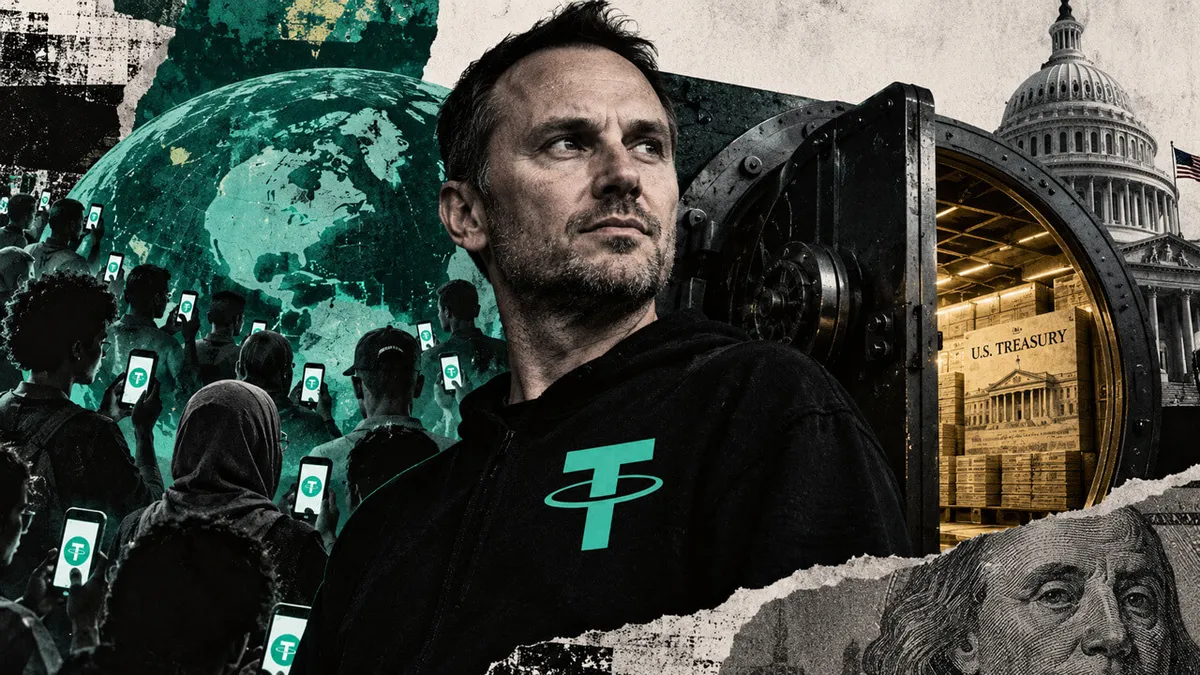
In a recent statement, Paolo Ardoino highlighted the significant role of Tether in the decentralized finance landscape, claiming that 650 million people are now involved in decentralized US debt. This assertion underlines the growing impact of cryptocurrencies in traditional financial systems, particularly in relation to US Treasury bills (T-bills). Despite this decentralization, Tether, the issuer of the USDT stablecoin, maintains control over the T-bills, effectively managing the portfolio and retaining ownership of the reserves.
The context of Ardoino's comments reflects a broader trend in the financial industry where digital assets are increasingly intertwined with traditional financial instruments. Tether's dominance in the stablecoin market has allowed it to leverage USDT to create a bridge between decentralized finance and conventional finance. By holding T-bills as part of its reserves, Tether not only supports the liquidity of USDT but also benefits from the interest income generated by these government securities, further solidifying its financial position.
This situation is noteworthy for the market as it illustrates the duality of decentralization and control. While more individuals are accessing decentralized financial systems, the underlying infrastructure and reserves are still managed by centralized entities like Tether. This raises questions about the true nature of decentralization in DeFi and the implications for investors who seek transparency and security in their holdings. Moreover, the ability of Tether to control these reserves while still catering to a vast decentralized user base highlights the complexities of integrating traditional financial instruments into the crypto ecosystem.
Industry experts have expressed mixed reactions to Ardoino's statements. Some view Tether's control over T-bills as a stabilizing factor for USDT, providing a level of backing that could instill confidence among users. Others, however, caution against the risks associated with centralization in a space that promotes decentralized ideals. The ongoing debate underscores the need for further clarity in how decentralized finance operates alongside traditional financial systems and how entities like Tether navigate this landscape.
Looking ahead, the situation raises important questions about the future of stablecoins and their role in the financial ecosystem. As more individuals engage with decentralized debt markets, Tether's decisions regarding its reserves and portfolio management will be closely monitored. This could influence regulatory discussions and the development of policies surrounding stablecoins, as governments and financial authorities seek to understand and adapt to the evolving landscape.

CoinMagnetic Team
Crypto investors since 2017. We trade with our own money and test every exchange ourselves.
Updated: September 2026
From our insights:
Related news

Franklin Templeton adds $150 million in fund shares to XRP Ledger, all in one wallet

HSBC brings RedCoin stablecoin wallets to PayMe users in Hong Kong

US spot Bitcoin ETFs erase $175 million in net monthly gains following outflows

BIT Asset Management aims for a November launch on the SIX Swiss Exchange

Meta issues non-voting shares for AI financing while preserving Zuckerberg control