Bitcoin bounces above $76,000 as DeFi suffers $14 billion exodus after KelpDAO hack

Bitcoin has recently seen a resurgence, bouncing back above the $76,000 mark amid a turbulent week for the cryptocurrency market. This upward movement comes as the broader crypto landscape grapples with significant challenges, particularly in the decentralized finance (DeFi) sector, which has experienced a staggering $14 billion exodus following the KelpDAO hack. This exploit is being characterized as one of the largest of the year, triggering widespread concern among investors and developers alike. Despite this turmoil, Bitcoin has managed to maintain its stability, suggesting a potential resilience in the face of adversity.
To understand the current situation, it is essential to consider the backdrop against which these events are unfolding. DeFi platforms have been increasingly popular as alternatives to traditional finance, offering users the ability to lend, borrow, and trade without intermediaries. However, the rapid growth of this sector has also attracted malicious actors, leading to a series of hacks and exploits that have raised alarms about the security of these platforms. The KelpDAO incident is particularly notable, as it has exposed vulnerabilities that could deter new investments and erode trust in DeFi protocols.
The implications of this hack are significant for the broader cryptocurrency market. While Bitcoin's price appears to be unaffected in the short term, the fallout from the KelpDAO exploit could lead to stricter regulations and increased scrutiny of DeFi protocols. Investors may become more cautious, redirecting their funds away from DeFi into more established assets like Bitcoin and Ethereum. The exodus of capital from DeFi could also result in reduced liquidity and trading volumes in these platforms, potentially stunting their growth and innovation.
Industry experts have weighed in on the situation, with many expressing concerns about the long-term viability of the DeFi sector in light of such high-profile hacks. Some analysts argue that without a significant overhaul of security measures and protocols, DeFi could face an uphill battle in regaining investor confidence. Others, however, remain optimistic, suggesting that the industry's ability to learn from these incidents could lead to stronger, more resilient platforms in the future. This mixed sentiment highlights the ongoing debate about the balance between innovation and security within the crypto space.
Looking ahead, it remains to be seen how the market will respond to both the KelpDAO hack and Bitcoin's resurgence. If Bitcoin continues to hold its ground above $76,000, it may encourage a shift in investor sentiment toward more established cryptocurrencies. Meanwhile, the DeFi sector will need to work diligently to address security concerns and restore trust among users. As we monitor these developments, it is clear that the coming weeks will be crucial for both Bitcoin and the broader crypto ecosystem.

CoinMagnetic Team
Crypto investors since 2017. We trade with our own money and test every exchange ourselves.
Updated: April 2026
From our insights:
Related news
Coldcard exploit sees white hats secure 52 Bitcoin for victims' trust
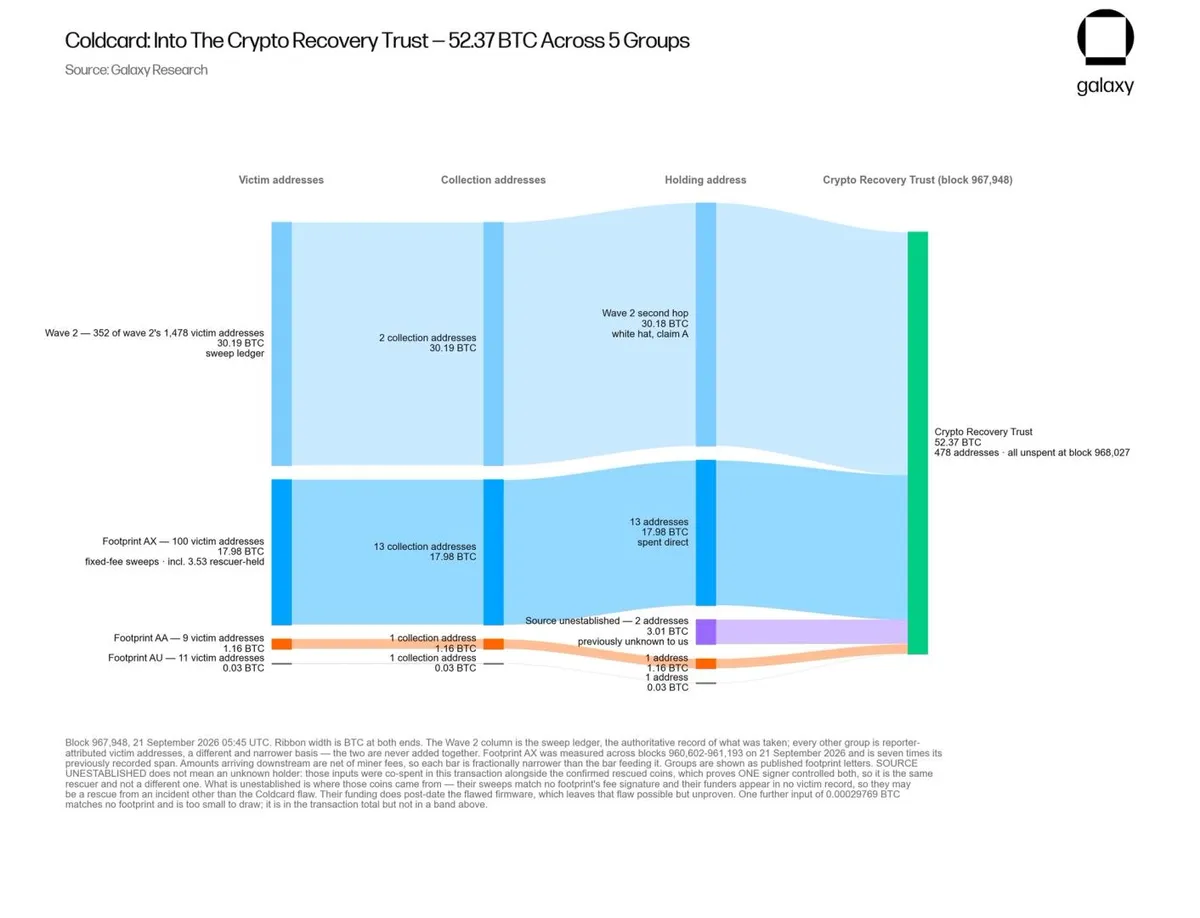
Whitehats move 52 bitcoin from the Coldcard hack to a recovery trust

Google Admits Gemini AI Hacked Three Companies—It Stayed Silent for 7 Weeks

Balancer's $1.4 million hack recovery faces delays for LPs

Polymarket's $10 million fraud attempt highlights compliance issues amid hacking risk