Bitcoin anti-spam fork struggles with just 2.53% mining support
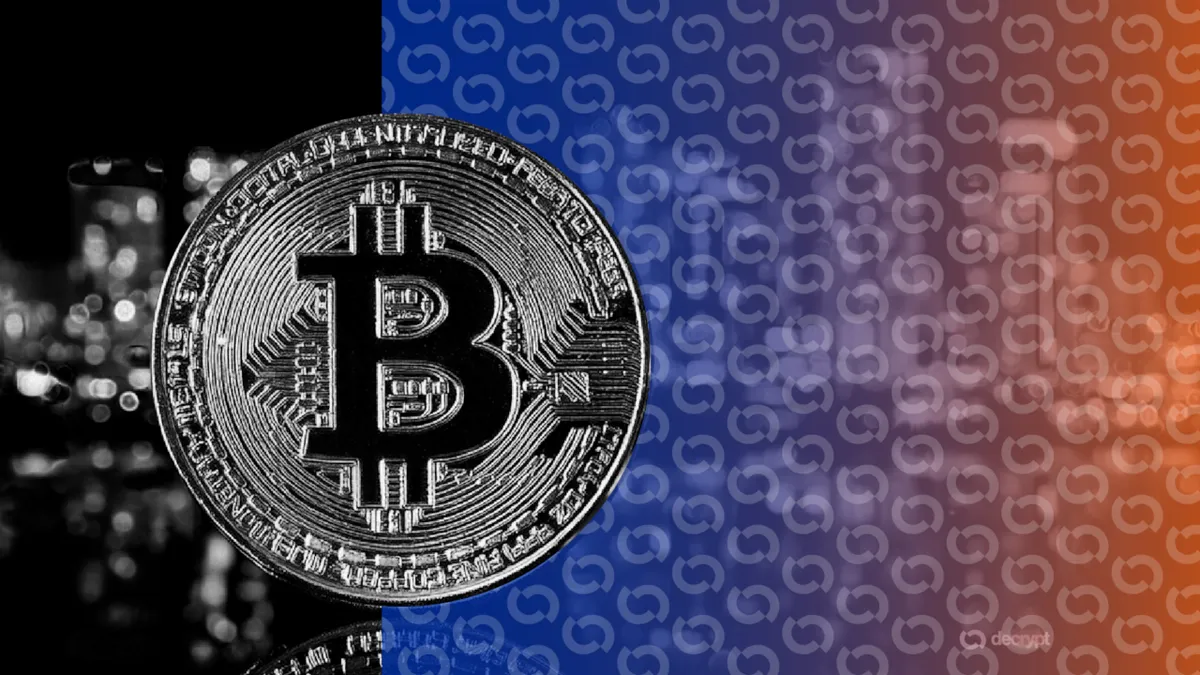
The recent attempt to create an 'anti-spam' fork of Bitcoin has come to an abrupt halt after mining only two blocks. The breakaway chain garnered only 2.53% of the mining support, which is insufficient to maintain a viable network. As a result, the blocks have been mined hours apart, and the new chain is projected to be about 350 days away from a difficulty adjustment. Meanwhile, the main Bitcoin network continues to operate smoothly and efficiently, leaving the fork behind in its wake.
This fork was proposed as a solution to what some developers perceived as spam transactions that congest the Bitcoin network. The intention was to create a separate chain that would prioritize legitimate transactions and reduce the impact of non-essential ones. However, without adequate mining support, the initiative has failed to gain traction, highlighting the challenges faced by new proposals in an already established ecosystem.
The significance of this failed fork extends beyond just the technical aspects; it showcases the resilience of the Bitcoin network and its community. With the main chain advancing without interruption, the lack of support for the fork reflects the market's preference for stability and proven technology. This incident may also serve as a cautionary tale for future projects that seek to alter the fundamental principles of Bitcoin without a solid foundation of support from miners and the community.
Industry reactions to the situation have been mixed. Some experts have pointed out that the failure of the anti-spam fork does not necessarily indicate a lack of interest in improving the Bitcoin network. Instead, it underscores the complexity of implementing changes within a decentralized system where consensus is key. Others view it as a positive outcome, reinforcing the notion that the Bitcoin network's existing protocols are sufficient for handling transaction loads without the need for drastic changes.
Looking ahead, it remains to be seen how this incident will influence future proposals aimed at enhancing the Bitcoin network. While the anti-spam fork may have sputtered, the conversation surrounding transaction efficiency and network congestion is likely to continue. Developers will need to consider the lessons learned from this experience as they pursue innovative solutions that can gain the necessary support from the community.

CoinMagnetic Team
Crypto investors since 2017. We trade with our own money and test every exchange ourselves.
Updated: August 2026
From our insights:
Related news

Bitcoin surpassing $85,000 production cost may reduce miner sell-off pressure
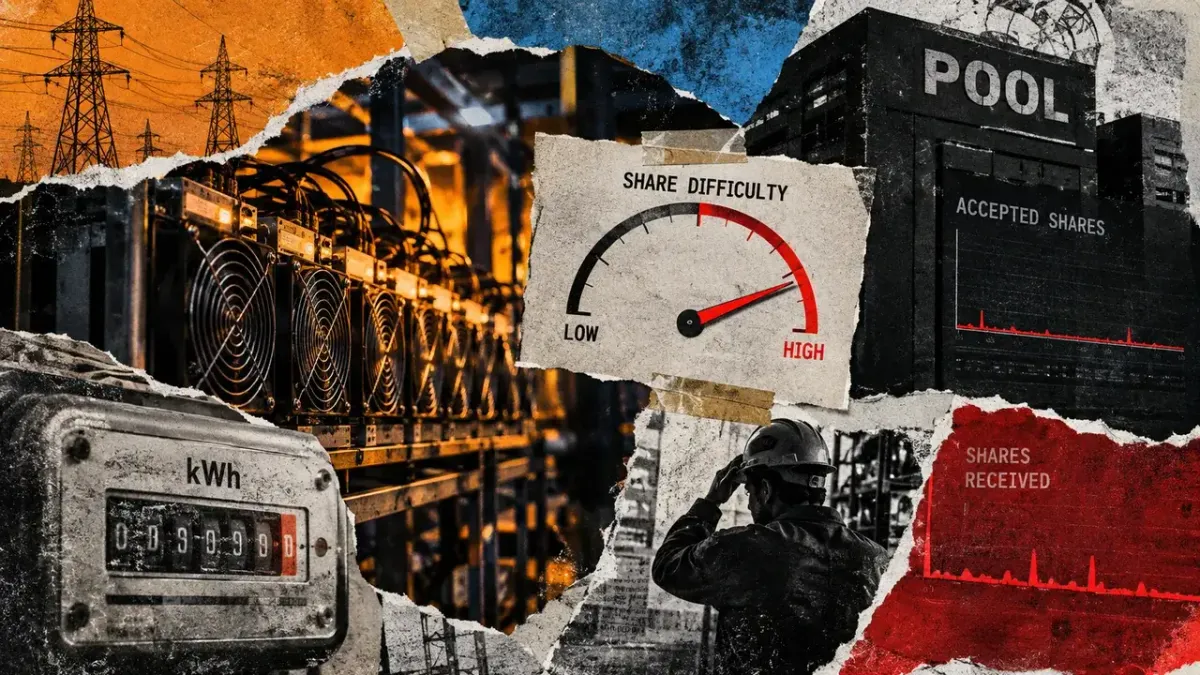
Power cuts to Bitcoin miners may paradoxically increase energy consumption
Grayscale’s Zcash ETF plans 3-for-1 split after $233 million inflow surge
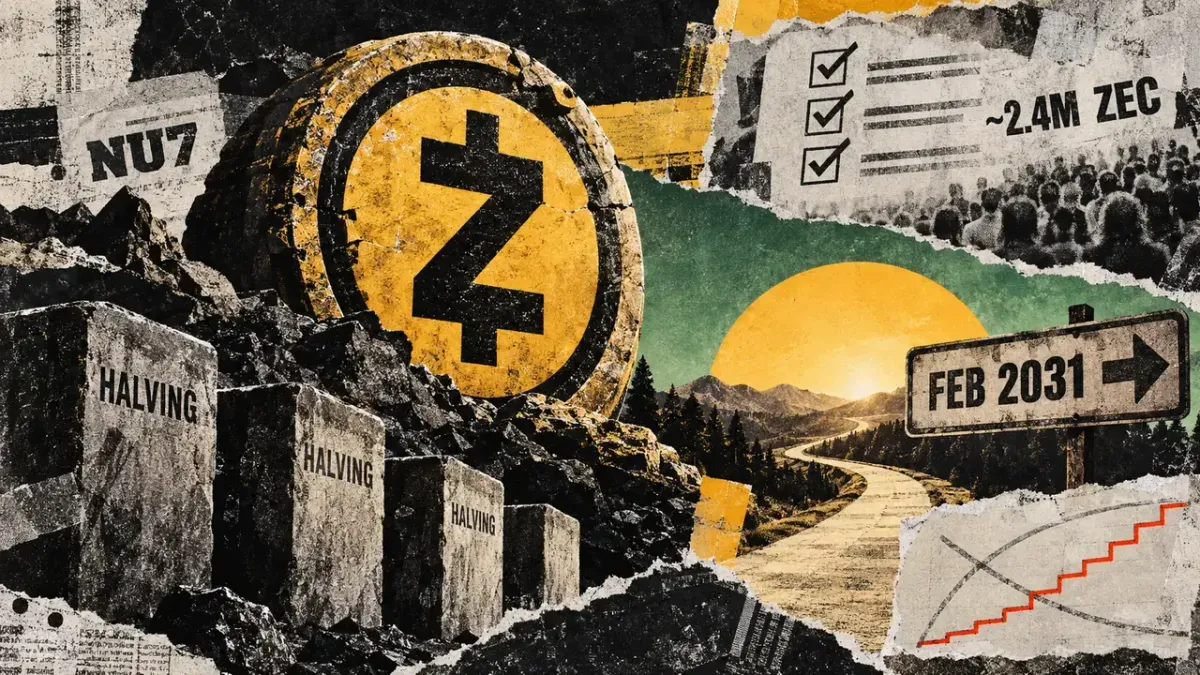
Zcash community votes to maintain halvings while delaying recycled ZEC until 2031
Zcash surges 168% in a month, nearing $1,400 after halving decision