BIS says stablecoins fall short as money, warns of emerging-market risks in annual report

In its recent annual report, the Bank for International Settlements (BIS) has taken a critical stance on the role of stablecoins in the financial ecosystem. The BIS argues that stablecoins do not meet key criteria that define effective money, particularly in terms of singleness, elasticity, and integrity. By emphasizing these shortcomings, the report draws attention to potential risks associated with the proliferation of stablecoins, particularly in emerging markets where the financial infrastructure may be less resilient. The BIS's insights come at a time when stablecoins have gained significant traction and are often seen as a bridge between traditional finance and the digital asset realm.
Stablecoins have emerged as a popular financial instrument, mainly because they offer a stable value tied to fiat currencies, thus providing a more predictable alternative to the volatility characteristic of cryptocurrencies like Bitcoin and Ethereum. However, the BIS highlights that despite their intended purpose, stablecoins often struggle with issues of reliability and trust. For instance, the report points out that many stablecoins lack the necessary backing or regulatory oversight to ensure they can maintain their peg in times of market stress. This situation raises concerns, particularly for users in emerging markets who may rely on stablecoins for everyday transactions and savings.
The implications of the BIS report are significant for the cryptocurrency market. As regulatory scrutiny around stablecoins intensifies, market participants may face increased uncertainty regarding the future of these digital assets. If stablecoins are seen as failing to meet the standards expected of money, there could be a shift in investor sentiment, leading to reduced demand for these instruments. This could, in turn, impact liquidity in the broader cryptocurrency market, as stablecoins are often used as a medium for trading other assets. Market players will need to reassess their strategies in light of these findings, particularly those heavily invested in stablecoin-related projects.
Industry reactions to the BIS report have been mixed. Some experts acknowledge the valid concerns raised about stablecoins, particularly regarding their regulatory frameworks and the potential for systemic risks in emerging markets. Others argue that the BIS may be underestimating the innovations that stablecoins introduce and their potential to improve financial inclusion, especially in regions with limited access to traditional banking services. The debate highlights a divide within the industry on how to balance the benefits of stablecoins with the need for robust oversight to protect consumers and ensure financial stability.
Looking ahead, the future of stablecoins may hinge on how regulators respond to the BIS's findings. There is a growing call for more stringent regulatory measures that could address the concerns raised by the BIS while also fostering the innovation that stablecoins can bring. As discussions around the regulatory landscape continue to evolve, stakeholders across the financial spectrum will be watching closely to see how these developments unfold, particularly in relation to the broader cryptocurrency market and its integration with traditional financial systems.

CoinMagnetic Team
Crypto investors since 2017. We trade with our own money and test every exchange ourselves.
Updated: June 2026
From our insights:
Related news

Newsom signs California ban on public officials issuing memecoins

Core Lightning fixes flaw allowing revoked channel state to evade penalty
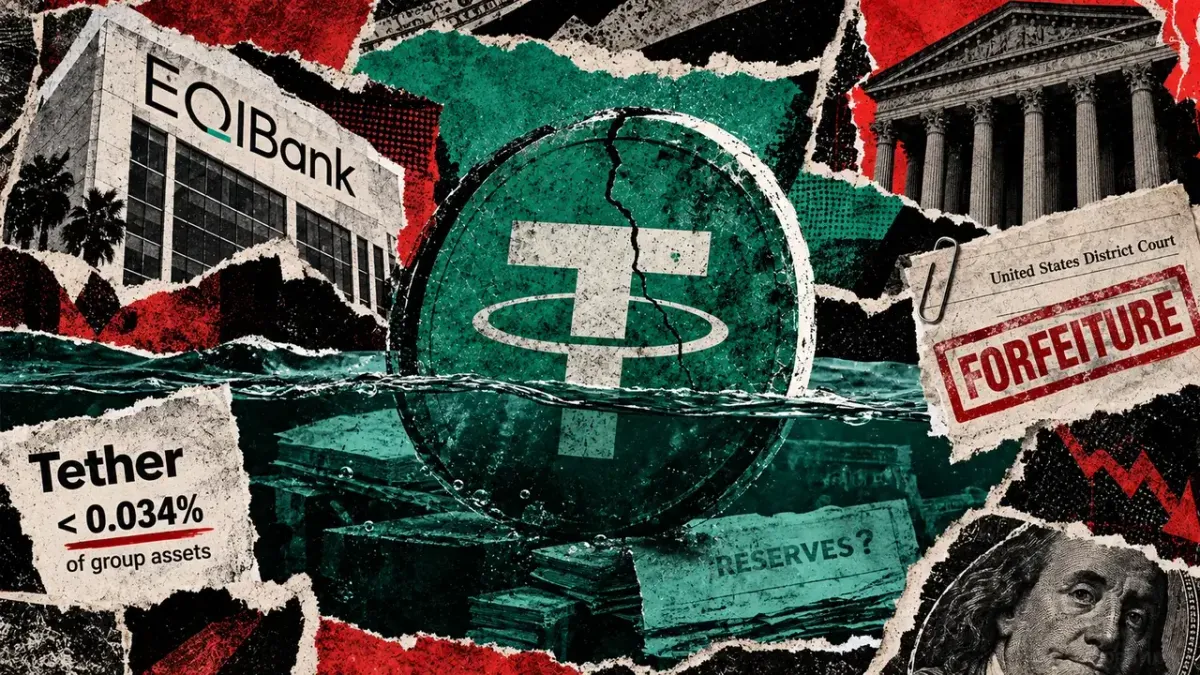
$84 million US asset seizure raises questions about Tether's bank reserves

AMF alerts investors that Pump Fun is unauthorized in Canada

Cosmos intercepts 1.23 million stolen ATOM but refunds now wait on governance vote