Binance to block transactions with HTX, 10 other exchanges under EU Russia sanctions
Binance has announced that it will cease processing transactions from 16 exchanges, including HTX and five others that were previously blocked. This decision comes in response to the European Union's sanctions against Russia, which have been implemented to restrict financial activities that support the Russian economy amid ongoing geopolitical tensions. The move reflects Binance's commitment to regulatory compliance as it navigates the complex landscape of international laws governing cryptocurrency transactions.
The background of this situation lies in the EU's ongoing efforts to impose sanctions on Russia due to its actions in Ukraine, which have led to a reevaluation of financial relationships across the globe. Cryptocurrency exchanges, once seen as decentralized and unregulated, are now faced with increasing pressure to align with government regulations. Binance, being one of the largest cryptocurrency exchanges, is under significant scrutiny and is taking proactive measures to ensure that it adheres to these regulatory requirements, thus avoiding potential penalties.
This development is important for the market as it highlights the growing intersection of cryptocurrency and traditional regulatory frameworks. By blocking transactions with certain exchanges, Binance is not only protecting itself from potential legal issues but also sending a clear message to the market about the importance of compliance. Investors and traders may need to reassess their strategies and relationships with these exchanges, as the sanctions could affect liquidity and trading options in the short term.
Reactions from the industry have been varied, with some experts applauding Binance's commitment to compliance while others argue that such actions could stifle innovation within the crypto space. Some analysts believe that this approach may lead to a consolidation of exchanges that prioritize regulatory adherence, while others warn that it could drive crypto activities underground, where compliance is less stringent. As the industry grapples with these changes, the balance between compliance and innovation remains a critical topic of discussion.
Looking ahead, it will be interesting to see how other exchanges respond to similar pressures and whether they will follow Binance's lead in blocking transactions with entities under sanctions. The evolving regulatory landscape will likely continue to shape the operational strategies of cryptocurrency exchanges and influence their relationships with users worldwide. This development sets a precedent that could resonate throughout the industry, prompting further discussions about the future of cryptocurrency in a regulated environment.

CoinMagnetic Team
Crypto investors since 2017. We trade with our own money and test every exchange ourselves.
Updated: August 2026
From our insights:
Related news
EU regulators investigate Binance’s service to users after MiCA registration loss

Japan's largest payment network now accepts crypto through Binance Pay
Decrypt launches The Information Exchange on Solana with MYR token

Hyperliquid's Jeff Yan challenges 24-hour trading as crypto's key feature
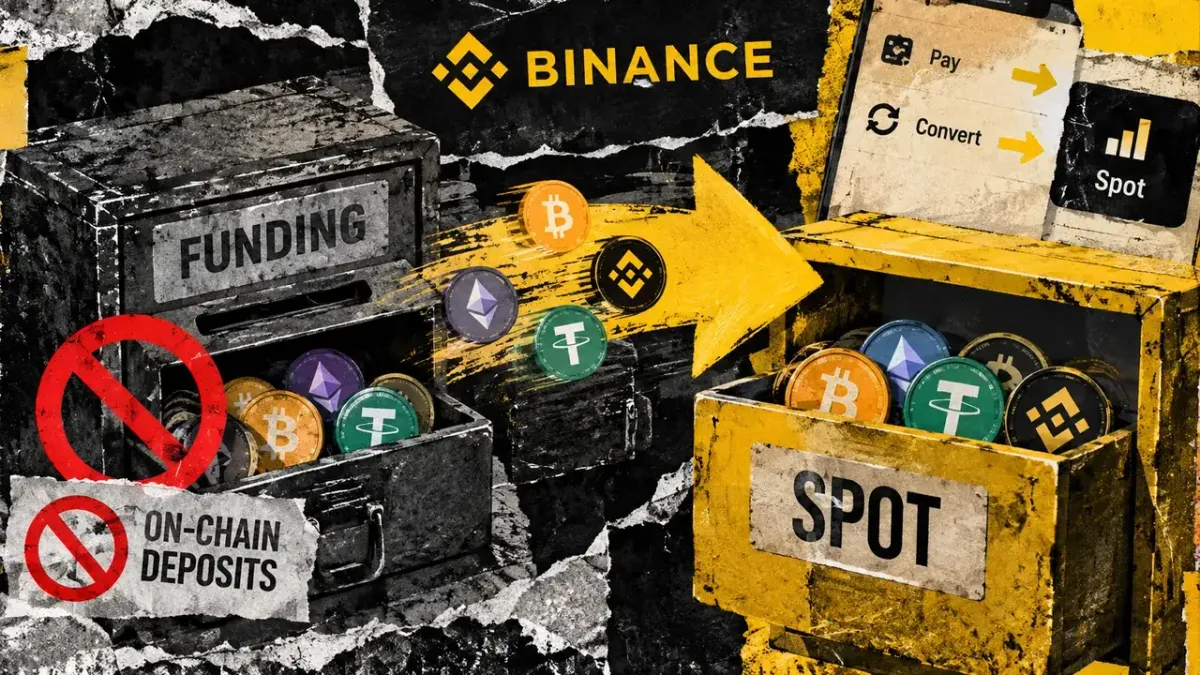
Binance transitions Pay and Convert functions to Spot, halts Funding Account deposits