EU regulators investigate Binance’s service to users after MiCA registration loss
The European Union is intensifying its scrutiny of Binance, the prominent cryptocurrency exchange, regarding its continued service to EU customers from Abu Dhabi. This inquiry comes on the heels of Binance losing its MiCA (Markets in Crypto-Assets) registrations, which has raised concerns about the legality of its operations within Europe. Regulators are particularly focused on the concept of ‘reverse solicitation’–a legal loophole that some exchanges may exploit to offer services to clients in regions where they lack proper licensing.
In recent months, the regulatory landscape for cryptocurrency exchanges has evolved significantly, particularly with the implementation of the MiCA framework in the EU. This framework was designed to create a comprehensive regulatory regime for digital assets within the bloc. However, Binance's withdrawal from the MiCA registrations has prompted questions about how it can still cater to EU customers. The concept of reverse solicitation, where customers are deemed to have approached the service provider instead of the provider soliciting them, is at the center of this investigation.
This scrutiny is crucial for the market as it highlights the ongoing tension between regulatory bodies and cryptocurrency exchanges. If regulators determine that Binance's operations violate EU laws, it could lead to significant consequences for the exchange, including hefty fines or even a ban on operating within EU jurisdictions. Such actions could set a precedent for how other exchanges operate, particularly those that may also be utilizing the reverse solicitation loophole.
Industry experts have expressed mixed reactions to this development. Some see it as a necessary step towards ensuring compliance and protecting consumers, while others caution that overregulation could stifle innovation in the crypto space. The focus on Binance could also lead to increased regulatory attention on other exchanges operating in similar ways, potentially reshaping the competitive landscape of the industry.
Looking ahead, it is likely that Binance will need to clarify its operational strategies and possibly adapt its business model to align with EU regulations. The ongoing investigation may prompt the exchange to engage more proactively with regulators, as the need for transparency and legal compliance becomes paramount. How Binance navigates this regulatory challenge will be closely watched by the market and could influence the future of crypto regulations in the EU.

CoinMagnetic Team
Crypto investors since 2017. We trade with our own money and test every exchange ourselves.
Updated: October 2026
From our insights:
Related news

Japan's largest payment network now accepts crypto through Binance Pay
Decrypt launches The Information Exchange on Solana with MYR token

Hyperliquid's Jeff Yan challenges 24-hour trading as crypto's key feature
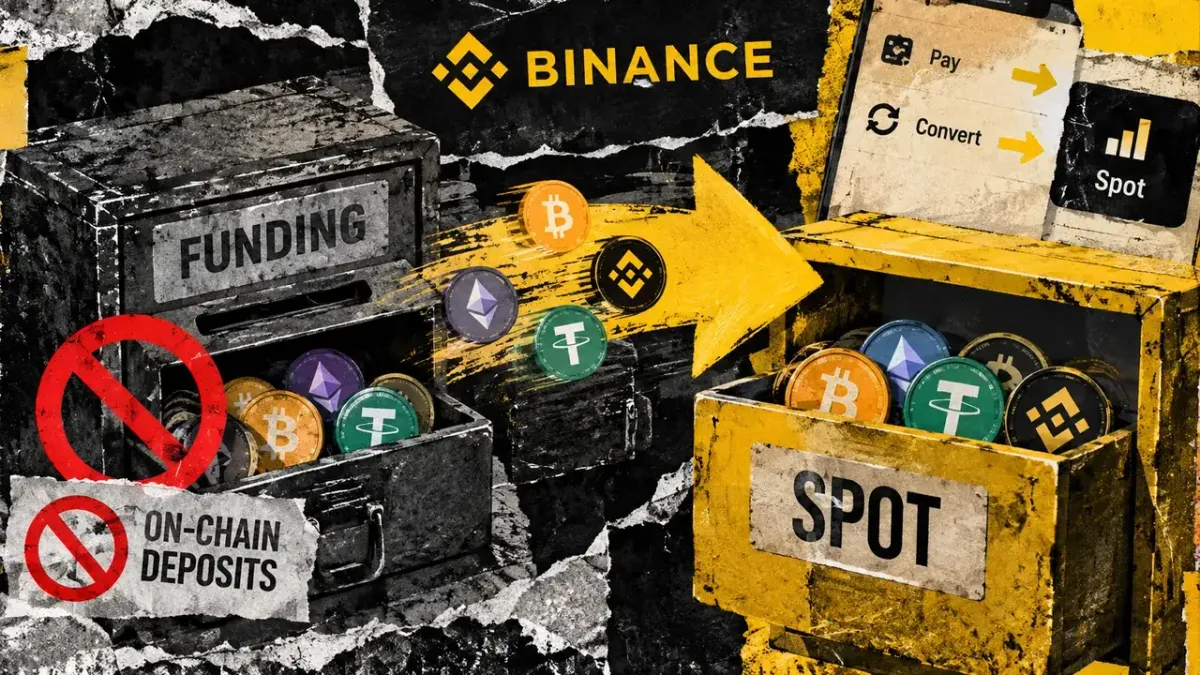
Binance transitions Pay and Convert functions to Spot, halts Funding Account deposits

Surge in altcoin exchange deposits suggests increased market activity