Binance faces EU service limits next week as MiCA rules take effect

Binance, one of the world's largest cryptocurrency exchanges, is set to implement significant changes to its services within the European Union starting July 1. This shift comes as the Markets in Crypto-Assets Regulation (MiCA) takes effect, which establishes a comprehensive regulatory framework for digital assets across EU member states. Despite its substantial presence in the market, Binance has struggled to secure the necessary authorization from any EU member state, which has led to this enforced limitation on onboarding new users and certain services. While existing users will still be able to withdraw their funds, the exchange's ability to operate freely in the EU will be curtailed.
The introduction of MiCA marks a major milestone in the regulation of cryptocurrencies in Europe, aiming to create a safer and more stable environment for both investors and businesses. The regulation was designed to provide legal clarity and establish uniform standards for crypto-assets, ensuring that exchanges and other crypto service providers adhere to strict compliance measures. Binance's inability to secure authorization highlights the challenges that even major players face in navigating the increasingly complex regulatory landscape in the EU.
This development is significant for the market as it reflects the tightening grip of regulatory bodies on cryptocurrency exchanges. By imposing restrictions on Binance, regulators are sending a clear message about the importance of compliance and the need for exchanges to operate within a lawful framework. The move could also set a precedent for other exchanges, prompting them to reassess their operations in the EU and potentially leading to further consolidation in the industry as smaller players may struggle to meet regulatory requirements.
Industry reactions to Binance's upcoming service limits have been mixed. Some experts view this as a necessary step towards a more regulated and mature crypto market, emphasizing the need for investor protection and standardization across the sector. Others, however, express concern that such limitations could stifle innovation and drive users to unregulated platforms, undermining the very goals that regulators aim to achieve. The situation has sparked discussions about how exchanges can adapt to changing regulations and the potential implications for user trust and market liquidity.
Looking ahead, it remains to be seen how Binance will navigate these regulatory challenges and whether it will seek to secure authorization in the EU in the future. As MiCA continues to roll out, other exchanges may also face similar scrutiny, leading to a period of adjustment within the industry. Stakeholders will be closely monitoring the situation, as the outcomes could have lasting effects on the operational landscape for cryptocurrency businesses in Europe and beyond.

CoinMagnetic Team
Crypto investors since 2017. We trade with our own money and test every exchange ourselves.
Updated: June 2026
From our insights:
Related news

CME futures and Grayscale ETF filing boost Bitcoin forks amid dip
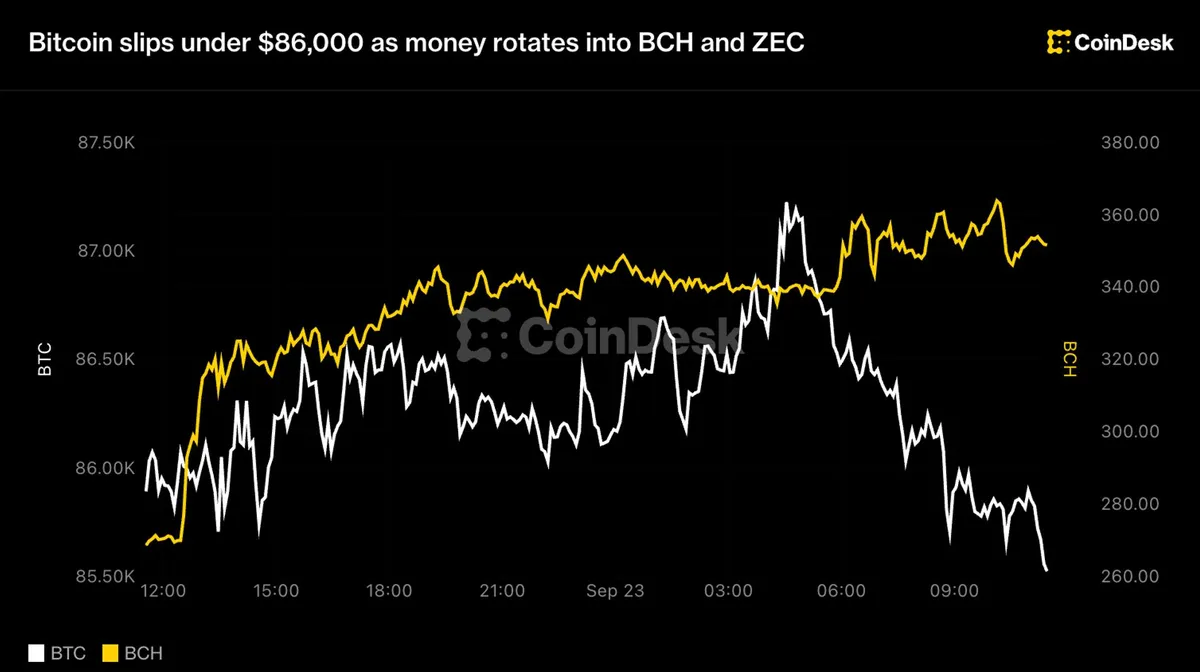
Bitcoin dips below $86,000 as funds shift towards BCH and ZEC
CFTC warns that prediction market contracts may be prone to manipulation

Zondacrypto founder's last known location searched as former officer faces charges
BitMEX ceases trading after 11 years, maintains withdrawals for users