Base post-mortem reveals sequencer bug behind back-to-back outages
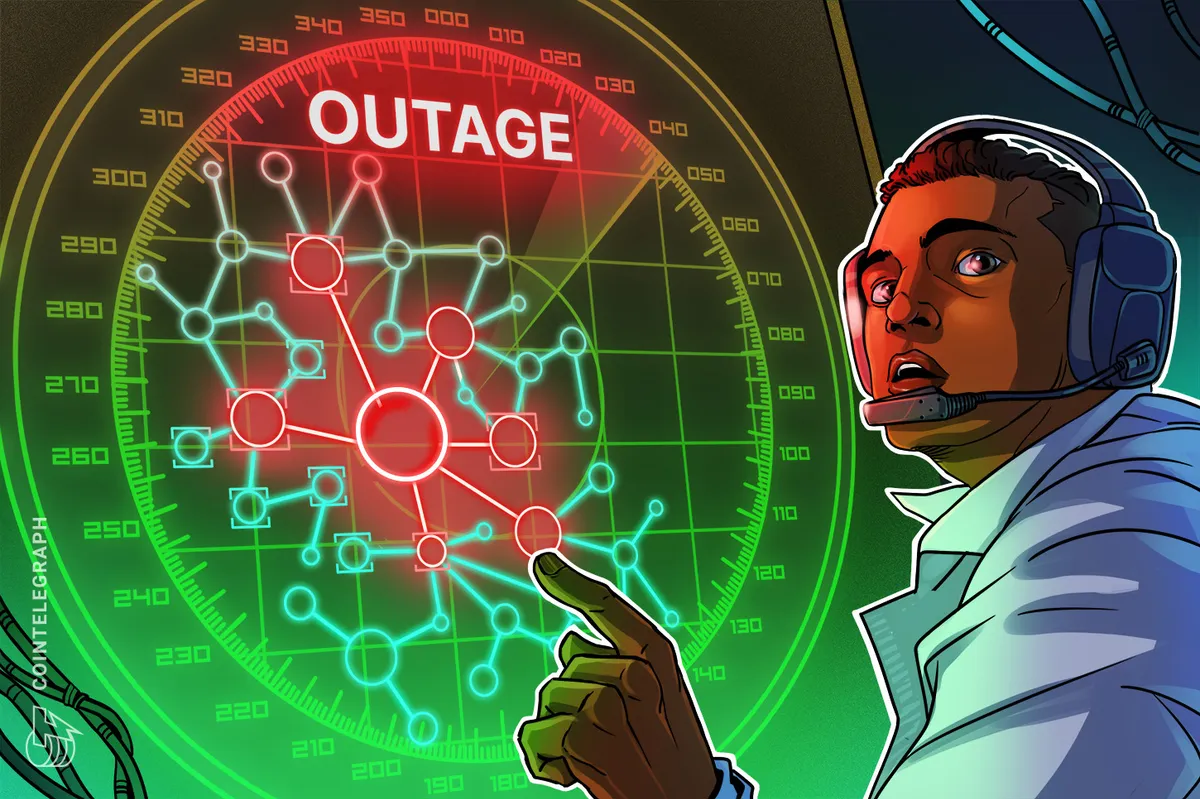
Base, the Ethereum Layer 2 solution, recently conducted an in-depth post-mortem that unveiled a critical bug in its sequencer system responsible for a series of back-to-back service outages. The investigation revealed that a race condition occurred after the system underwent a reset, which impeded the sequencers from synchronizing effectively. This failure meant that transactions could not be processed in a timely manner, leading to the disruptions that users experienced. The team has since outlined the specifics of the bug and is committed to implementing fixes to prevent similar issues in the future.
To understand the implications of this bug, it's essential to grasp the role of sequencers within the Base ecosystem. Sequencers are crucial components that facilitate transaction ordering and processing on Layer 2 solutions, enhancing scalability and reducing congestion on the Ethereum mainnet. When they fail to operate correctly, as was the case with the recent outages, it affects not only transaction speed but also user confidence in the platform. Layer 2 solutions like Base are often heralded for their ability to alleviate Ethereum's congestion woes, making any disruption particularly significant.
The impact of this technical failure resonates throughout the market, especially as it brings to light the vulnerabilities that Layer 2 solutions can face. With the growing reliance on such technologies for enhanced transaction efficiency, any downtime can lead to skepticism among users and investors alike. It raises questions about the reliability of these systems, highlighting the importance of robust testing and monitoring processes. As the crypto landscape evolves, maintaining operational integrity will be paramount for platforms seeking to capture user adoption and trust.
Industry experts have weighed in on the situation, emphasizing the necessity for transparent communication and swift action in the wake of such incidents. Many have pointed out that while bugs are an inherent risk in software development, a well-structured response can mitigate damage and restore confidence. Some analysts suggest that if Base can successfully resolve the issue and demonstrate improved stability, it could bolster its reputation as a reliable Layer 2 solution, attracting more users and developers to its ecosystem.
Looking ahead, Base's development team is likely to prioritize upgrades and fixes to the sequencer system to ensure that similar bugs do not reoccur. Continuous monitoring and iterative improvements will be essential as they work to enhance the platform's resilience. As the crypto community watches closely, how Base navigates this situation could serve as a case study for other Layer 2 projects facing technical challenges. The commitment to transparency and accountability will be critical as they strive to regain user trust and solidify their position in the competitive landscape of blockchain solutions.

CoinMagnetic Team
Crypto investors since 2017. We trade with our own money and test every exchange ourselves.
Updated: June 2026
From our insights:
Related news

Bitcoin ETFs attract nearly $3 billion in seven days, reversing losses
After Clarity Act's failure, regulators take swift action on crypto rules
Kalshi loses appeal over Ohio and Tennessee sports betting laws, widening circuit split

LayerZero faces $292M lawsuit as $15B exits amid rsETH exploit fallout

Kalshi's appeal rejected, paves way for Supreme Court showdown