Banking rails are moving past the 'stablecoin winner' narrative: Sygnum

Sygnum, a prominent digital asset bank, has recently shifted the conversation surrounding stablecoins by emphasizing the growing demand from institutional clients for a variety of tokenized cash instruments. According to their insights, these clients are not interested in a single dominant stablecoin but rather seek an ecosystem where multiple tokenized cash options can operate seamlessly on a unified platform. This shift reflects a broader trend in the market, where flexibility and interoperability are becoming crucial features for financial institutions looking to leverage digital assets.
Historically, the narrative around stablecoins has been focused on the competition to become the “winner” in this space, often leading to a winner-takes-all mindset among investors and developers. However, Sygnum's perspective indicates a maturation of the market, where the emphasis is placed on functionality and choice rather than a singular solution. This evolution can be traced back to the increasing complexity of financial transactions and the need for institutions to diversify their asset holdings while maintaining liquidity and stability.
The implications of Sygnum's findings are significant for the crypto market. As institutions recognize the value of a multi-token ecosystem, we may see an increase in the development and adoption of various stablecoins and tokenized cash instruments. This could lead to a more competitive environment, fostering innovation and potentially resulting in lower transaction costs and improved services for users. As the demand for interoperability grows, platforms that can accommodate a diverse range of tokens may gain a competitive edge in attracting institutional clients.
Industry experts have reacted positively to Sygnum's insights, noting that a multi-token approach could enhance the overall robustness of the digital asset ecosystem. Some analysts believe that this shift away from a singular stablecoin narrative could lead to more resilient financial systems, as reliance on a single asset can be risky. There are also concerns regarding regulatory oversight, as multiple stablecoins may present challenges in terms of compliance and risk management. Nevertheless, the consensus seems to be that diversity in tokenized cash instruments is a step in the right direction for the industry.
Looking ahead, we can expect to see more discussions around interoperability and the development of platforms that support a variety of tokenized cash instruments. As institutions continue to demand flexibility and efficiency in their financial operations, companies that prioritize these features will likely emerge as leaders in the digital asset space. The focus will increasingly shift toward creating an integrated ecosystem that not only meets regulatory requirements but also enhances user experience across different tokenized assets.

CoinMagnetic Team
Crypto investors since 2017. We trade with our own money and test every exchange ourselves.
Updated: June 2026
From our insights:
Related news

21shares launches first European ETP for Zcash after US ETF debut
Bitcoin ETFs attract nearly $1B in a single day as holders regain profitability
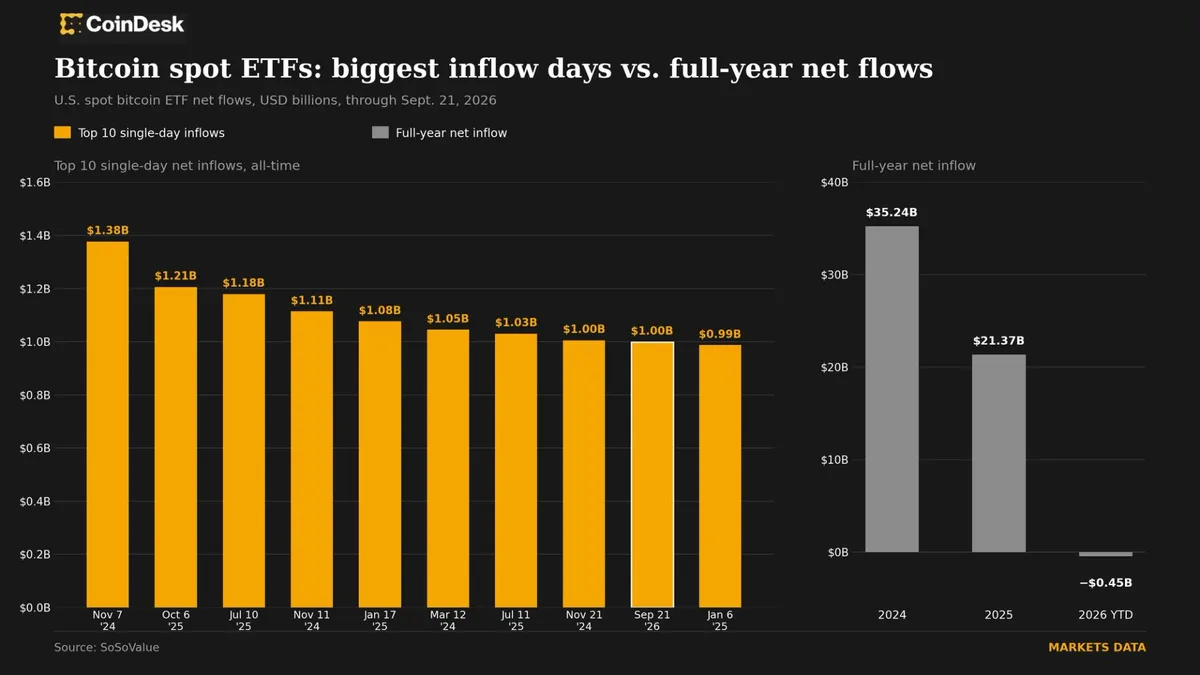
Spot bitcoin ETFs see nearly $1 billion inflow as bitcoin hits January highs
US spot Bitcoin ETFs see nearly $1 billion inflow, highest since October 2025
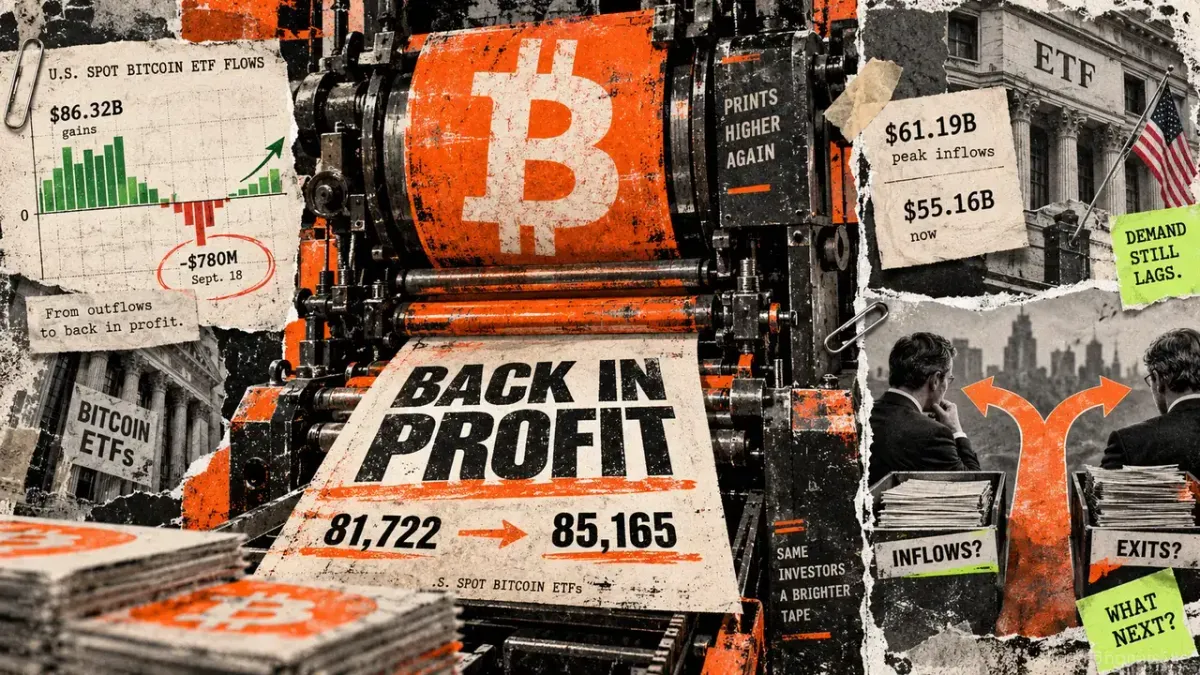
Bitcoin's rise to $86,000 restores profitability for ETF investors