Age verification is the surveillance nobody voted for

This week, KOSA (Kids Online Safety Act) and the controversial Chat Control initiative both saw significant pushbacks concerning their most criticized measures. However, the mandates for mandatory age verification remain intact. This provision is viewed by many as a subtle yet powerful mechanism that could transform anonymous browsing into a monitored experience for users. Evin McMullen, CEO of Billions, has pointed out that this shift in policy can lead to a form of surveillance that many individuals never explicitly consented to, raising concerns about privacy and the extent of governmental oversight in the digital realm.
The backdrop to these developments is a growing global discourse surrounding online safety, particularly for minors. Policymakers are increasingly grappling with how to balance the imperative of protecting children from harmful content online while also preserving the privacy rights of all internet users. Age verification has been proposed as a solution, ostensibly to ensure that age-restricted content is accessed only by appropriate audiences. However, critics argue that this approach could set a dangerous precedent for surveillance practices that erode user anonymity and freedom.
The implications of mandatory age verification are significant for the market, particularly in sectors related to social media, content creation, and digital services. Companies may face pressure to implement these measures, which could lead to increased compliance costs, development of new technologies for age verification, and potential shifts in user engagement. If age verification becomes the norm, it could also lead to a chilling effect on free expression, as users may self-censor out of fear that their activities are being monitored.
Industry reaction to these developments has been mixed. Some tech leaders and privacy advocates have raised alarms about the potential for abuse and the erosion of civil liberties that could accompany widespread age verification. Others argue that the safety of minors online is paramount and that implementing stringent measures is necessary, even if it comes with trade-offs. Experts are calling for more robust discussions about the scope and limits of such regulations, emphasizing the need for transparency and accountability in how data is collected and used.
Looking ahead, the future of age verification policies and their integration into broader regulatory frameworks remains uncertain. As discussions continue, there may be opportunities for stakeholders, including tech companies and advocacy groups, to collaborate on solutions that safeguard both user privacy and online safety. It will be crucial to monitor how these policies evolve and how they are implemented, as the balance between protection and privacy becomes an increasingly contentious issue in the digital landscape.

CoinMagnetic Team
Crypto investors since 2017. We trade with our own money and test every exchange ourselves.
Updated: July 2026
From our insights:
Related news

US government transfers 9,261 bitcoin valued at $770 million to Coinbase Prime

Sony's plan to end physical disc production by 2028 criticized by former PlayStation exec
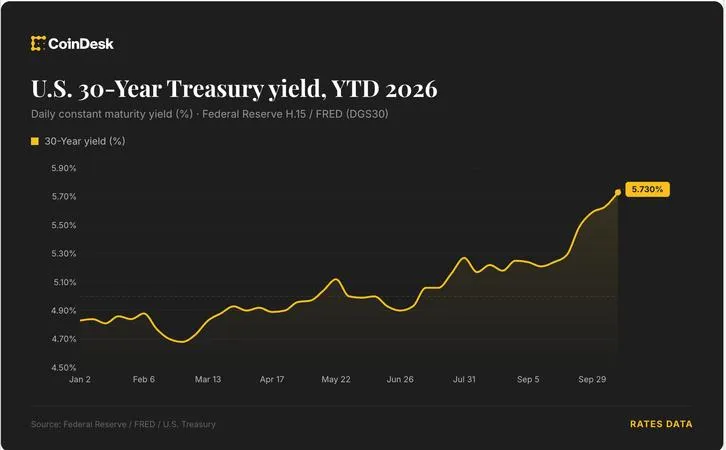
Bitcoin and tech face pressure as bond selloff and oil prices rise
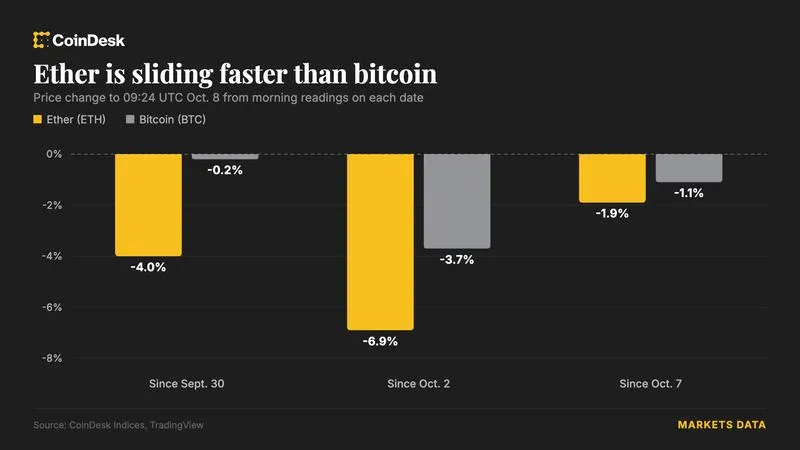
Bitcoin drops below $83,000 amid mixed reactions to AI wallet cryptography warning

Bitcoin sees $5B in monthly inflows, but rally momentum slows