EU crypto firms face 3-month deadline to stop using non-compliant stablecoins

The European Securities and Markets Authority (ESMA) has issued a directive urging cryptocurrency firms across the EU to cease operations involving non-compliant stablecoins within a three-month timeframe. This directive comes as part of the ongoing regulatory push to align the cryptocurrency market with the Markets in Crypto-Assets (MiCA) framework, which aims to provide a comprehensive regulatory structure for digital assets within the European Union. Firms that fail to comply with this directive may face significant repercussions, as regulators seek to mitigate risks associated with stablecoins that do not adhere to the established guidelines.
The MiCA regulation, which is set to come into effect in 2024, has been designed to provide clarity and enhance investor protection in the rapidly evolving cryptocurrency landscape. By imposing stricter compliance measures, ESMA aims to address concerns regarding the stability and transparency of stablecoins, which have gained popularity among investors and traders. Historically, regulators have been cautious about the implications of stablecoins on financial markets, as they can pose risks related to systemic stability if left unchecked.
This move by ESMA is significant for the market as it signals a tightening of regulatory oversight in the cryptocurrency sector. As the EU takes a firmer stance on compliance, firms that previously relied on non-MiCA-compliant stablecoins may find themselves needing to pivot their business strategies to align with the new rules. This could lead to increased compliance costs and operational adjustments, potentially impacting liquidity in the short term as firms transition to compliant options.
Industry reactions to ESMA's announcement have been mixed. Some experts believe that the move will ultimately lead to a healthier market, fostering trust and stability among investors. Others, however, express concerns that the sudden regulatory pressure could stifle innovation within the crypto space, particularly for smaller firms that may lack the resources to quickly adapt. The challenge remains for these companies to navigate the compliance landscape while maintaining their competitive edge.
As the three-month deadline approaches, it will be crucial to observe how the crypto industry responds to these regulatory challenges. Firms will need to evaluate their existing stablecoin operations and determine how best to transition to compliant alternatives. Additionally, ongoing discussions regarding the implementation of the MiCA framework will likely shape the future landscape of cryptocurrency regulation in the EU, with implications that may extend beyond borders.

CoinMagnetic Team
Crypto investors since 2017. We trade with our own money and test every exchange ourselves.
Updated: October 2026
From our insights:
Related news

US government transfers 9,261 bitcoin valued at $770 million to Coinbase Prime

Sony's plan to end physical disc production by 2028 criticized by former PlayStation exec
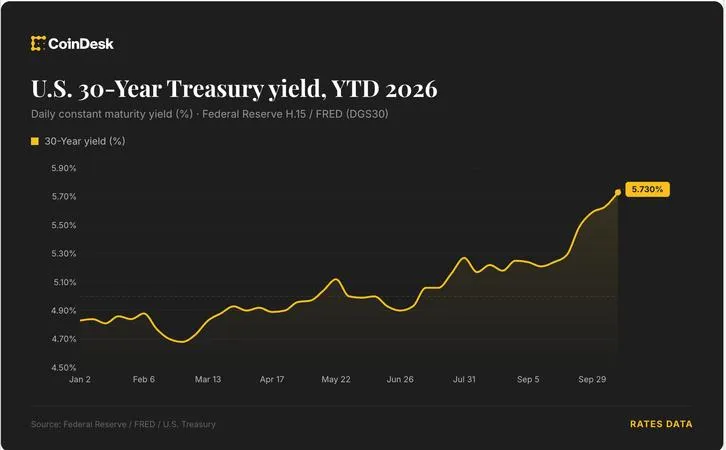
Bitcoin and tech face pressure as bond selloff and oil prices rise
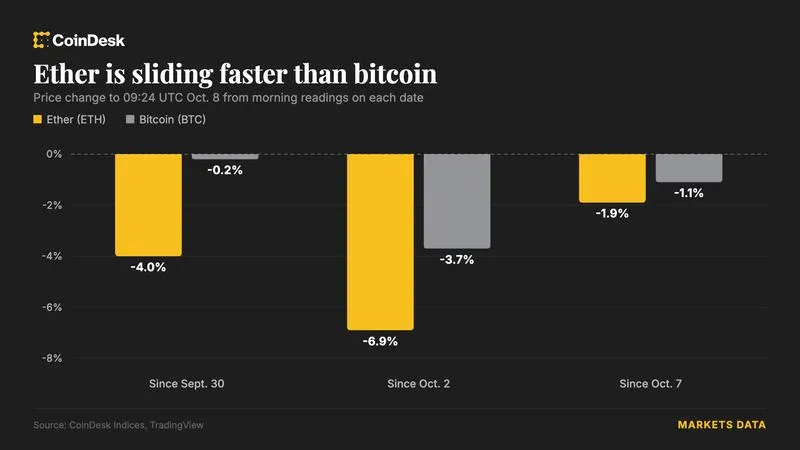
Bitcoin drops below $83,000 amid mixed reactions to AI wallet cryptography warning

Bitcoin sees $5B in monthly inflows, but rally momentum slows