Nasdaq-listed crypto firm sells 832 BTC, plans 1-for-50 reverse split to hide treasury issues

In a significant move aimed at addressing financial challenges, a Nasdaq-listed crypto firm recently sold 832 BTC to clear its debts. This decision comes as the firm grapples with a shrinking treasury, with the sale intended to alleviate immediate financial pressures. To further navigate its precarious situation, the company has proposed a 1-for-50 reverse split of its stock, which is designed to boost its bid price above the $1 threshold set by Nasdaq regulations. This strategy, however, has raised eyebrows among industry observers regarding its effectiveness in solving deeper financial issues.
Contextually, reverse stock splits are often employed by companies facing low stock prices to maintain compliance with exchange listing requirements. By consolidating shares, the firm hopes to improve its perceived market value, which can, in theory, attract more investors. However, this tactic does not inherently address the operational cash flow challenges the company faces, as the sale of BTC highlights a reliance on liquidating assets rather than generating revenue through business operations. The selling of such a substantial amount of Bitcoin also underscores the financial strain the company is under.
The implications of this situation for the market are considerable. Investors often view reverse splits with skepticism, as they can signal underlying financial distress. While this move may temporarily elevate the stock price, it remains to be seen whether it will restore confidence among shareholders and potential investors. Additionally, the sale of 832 BTC into an already volatile market could exert downward pressure on Bitcoin prices, contributing to a cautious sentiment in the crypto sector.
Industry reactions have varied, with some experts questioning the long-term viability of the firm's strategy. Many analysts warn that such measures can be indicative of deeper issues and may not lead to sustainable recovery. The sentiment among investors is mixed; while some see an opportunity in a temporarily inflated stock price, others are concerned about the firm’s reliance on asset liquidation to manage debt. This situation has sparked discussions around the importance of operational cash flow in the crypto sector, emphasizing that financial health goes beyond mere compliance with listing rules.
Looking ahead, the firm's future will largely depend on its ability to generate operational revenue rather than relying on asset sales. The proposed reverse split may provide a short-term reprieve, but without a solid business plan to enhance cash flow, the firm risks facing similar challenges in the near future. Investors will be watching closely to see how the company manages its treasury and whether it can pivot towards a more sustainable financial model.

CoinMagnetic Team
Crypto investors since 2017. We trade with our own money and test every exchange ourselves.
Updated: August 2026
From our insights:
Related news

NFT market shifts as storage costs emerge for collectors and creators

Fed's proposed stablecoin rules may lead to 48-hour liquidation events

Tether's $114 billion US debt holdings highlight its importance to Washington

Competition slashes quantum-safe Bitcoin transaction costs from $320 to $67
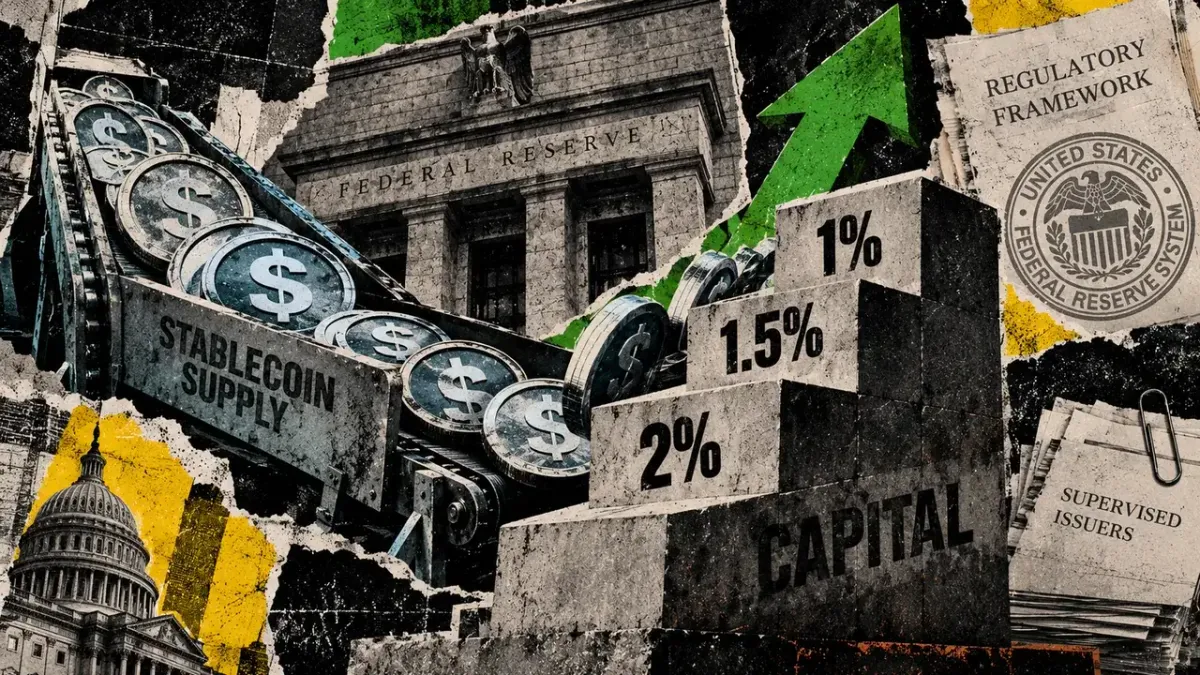
Fed proposal could impose $20 million capital cost on $1 billion stablecoin issuers