Tether's $114 billion US debt holdings highlight its importance to Washington
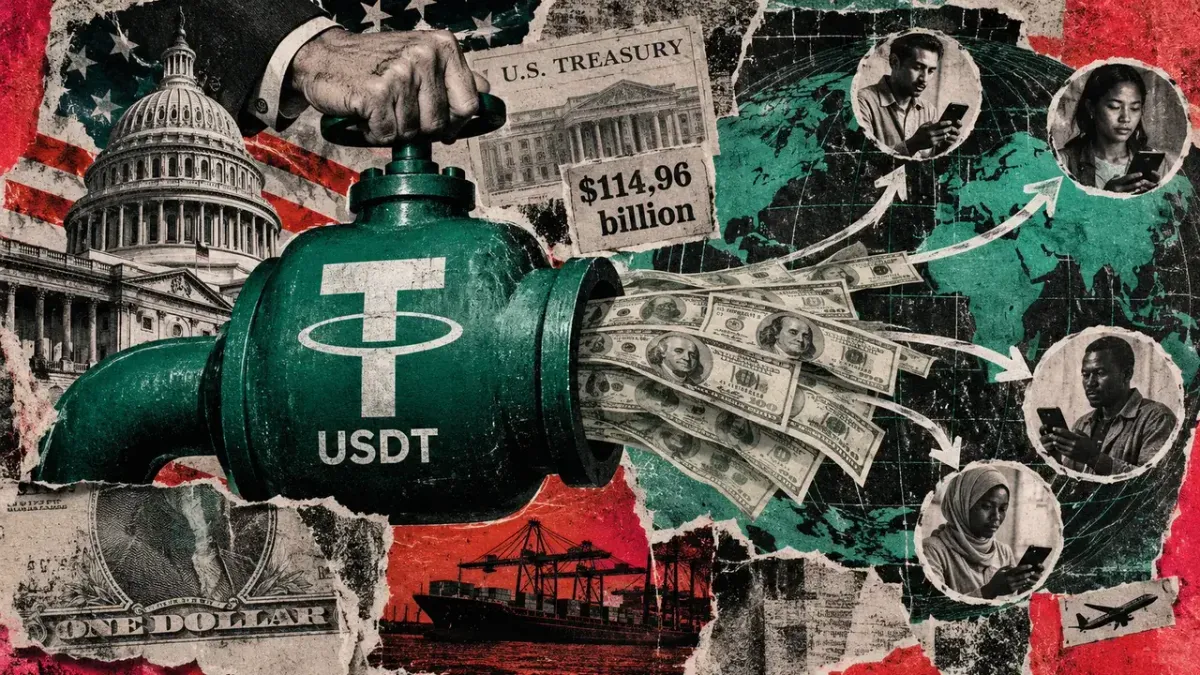
Recently, Tether, a major player in the cryptocurrency market, has found itself in a paradoxical position with Washington. Not long ago, the company faced scrutiny and fines for allegedly misleading the public regarding the actual dollar reserves backing its tokens. However, the current narrative has shifted, with Tether’s substantial holdings in U.S. debt–amounting to $114 billion–becoming a pivotal reason for its continued acceptance and the growing global circulation of its tokens. This turn of events underscores the complexities and evolving relationships within the financial landscape of cryptocurrency and traditional finance.
Tether's journey reflects the broader evolution of the crypto industry, particularly as it intersects with regulatory bodies and government interests. The firm was initially criticized for the lack of transparency regarding its reserves, which raised concerns about the stability of its stablecoin. Yet, as Tether shifted its strategy and deepened its investments into U.S. treasury securities, it positioned itself as not just a participant but a crucial component of the financial ecosystem. This has led to a reevaluation of Tether's role in the eyes of regulators, who now see the company as a facilitator of liquidity in the global economy.
The implications of Tether's significant U.S. debt holdings are substantial for the cryptocurrency market. As the demand for stablecoins continues to rise, Tether's ability to back its tokens with such a large amount of American debt could bolster confidence among investors and users. This dynamic may lead to increased adoption of Tether as a preferred stablecoin, thereby influencing the broader market landscape. Moreover, it highlights how intertwined the cryptocurrency space has become with traditional financial mechanisms, prompting a reconsideration of regulatory approaches moving forward.
Industry experts have reacted to this development with a mix of caution and optimism. Some view Tether's deep ties to U.S. debt as a stabilizing factor that could enhance the credibility of stablecoins overall. Others, however, warn that the previous lack of transparency could still pose risks, and that regulatory oversight will need to evolve to keep pace with the industry's growth. The contrasting views reflect a broader conversation about the balance between innovation and regulation in the crypto space.
Looking ahead, the future of Tether seems to hinge on how effectively it can maintain its transparency and manage regulatory expectations while continuing to expand its influence. The company's ability to navigate these challenges will likely dictate not only its own trajectory but also the future landscape of stablecoins and their role in the global economy. As Washington acknowledges the importance of Tether's U.S. debt holdings, the implications for both the company and the broader crypto market will undoubtedly continue to unfold.

CoinMagnetic Team
Crypto investors since 2017. We trade with our own money and test every exchange ourselves.
Updated: September 2026
From our insights:
Related news

Fed's proposed stablecoin rules may lead to 48-hour liquidation events
Competition slashes quantum-safe Bitcoin transaction costs from $320 to $67
Fed proposal could impose $20 million capital cost on $1 billion stablecoin issuers

Google enables free HD AI video creation with Gemini Omni 1.1 Flash

Circle's deal with Binance enhances USDC's position against Tether