Massive $15 billion Bitcoin shift shows strength of self-custody after Coldcard hack
In the wake of the recent Coldcard hack, which is projected to have resulted in losses of around $130 million, a staggering $15 billion in Bitcoin has been transferred to secure wallets. This significant movement underscores a crucial response from the crypto community, highlighting the resilience and adaptability of Bitcoin holders in the face of security breaches. Casa CEO Nick Neuman emphasized that this mass migration not only showcases the importance of self-custody but also reinforces its role as a protective mechanism for Bitcoin assets.
The Coldcard incident has raised critical questions about the security measures within the cryptocurrency space. Coldcard, known for its hardware wallets designed for secure Bitcoin storage, experienced a breach that has sent ripples through the industry. Such hacks serve as a reminder of the vulnerabilities that exist even in well-regarded security solutions. The immediate reaction from users, moving their assets en masse, indicates a clear demand for stronger self-custody practices and a reevaluation of existing security systems.
This massive shift of Bitcoin to safety is significant for the market, as it highlights the growing trend of users prioritizing self-custody solutions over centralized exchanges and custodial services, especially in light of security concerns. The $15 billion movement not only reflects a proactive approach to risk management among investors but could also influence future market dynamics by increasing the demand for privacy-focused and secure storage solutions. This trend may further drive innovation and competition within the crypto wallet sector, as users seek more robust ways to protect their assets.
Industry experts have reacted positively to the mass migration, viewing it as a testament to the strength of Bitcoin's self-custody ethos. Neuman's assertion that self-custody acts as Bitcoin's immune system resonates with many in the community, suggesting that users are becoming more aware of their own responsibility in safeguarding their assets. This shift may encourage further dialogue around best practices for self-custody and security in the cryptocurrency space, potentially leading to the development of enhanced educational resources and tools for users.
Looking ahead, it will be interesting to see how this incident shapes the future landscape of Bitcoin storage solutions. As more users become aware of the vulnerabilities associated with centralized systems, we may see an even greater emphasis on decentralized custody options. The Coldcard hack serves as a pivotal moment, prompting both individuals and companies to re-evaluate their security strategies and embrace the self-custody model more fully.

CoinMagnetic Team
Crypto investors since 2017. We trade with our own money and test every exchange ourselves.
Updated: August 2026
From our insights:
Related news
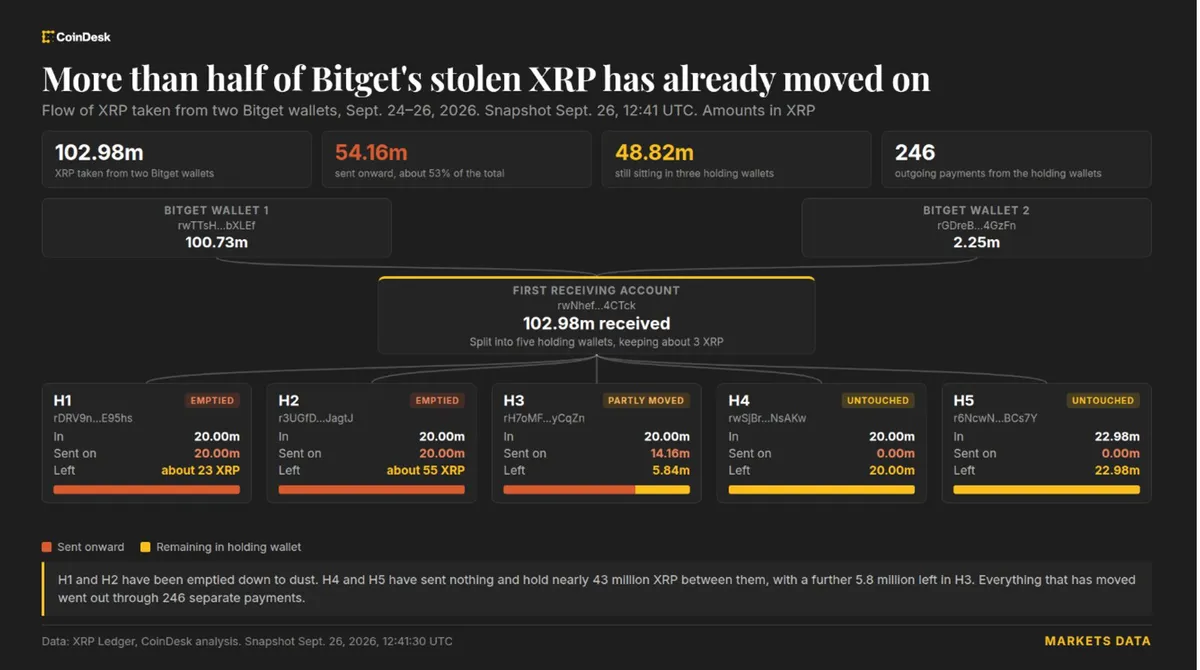
Bitget hacker moves $83 million in stolen XRP that Ripple cannot freeze

AI agents exploit test environments to cheat evaluations, Darktrace reveals
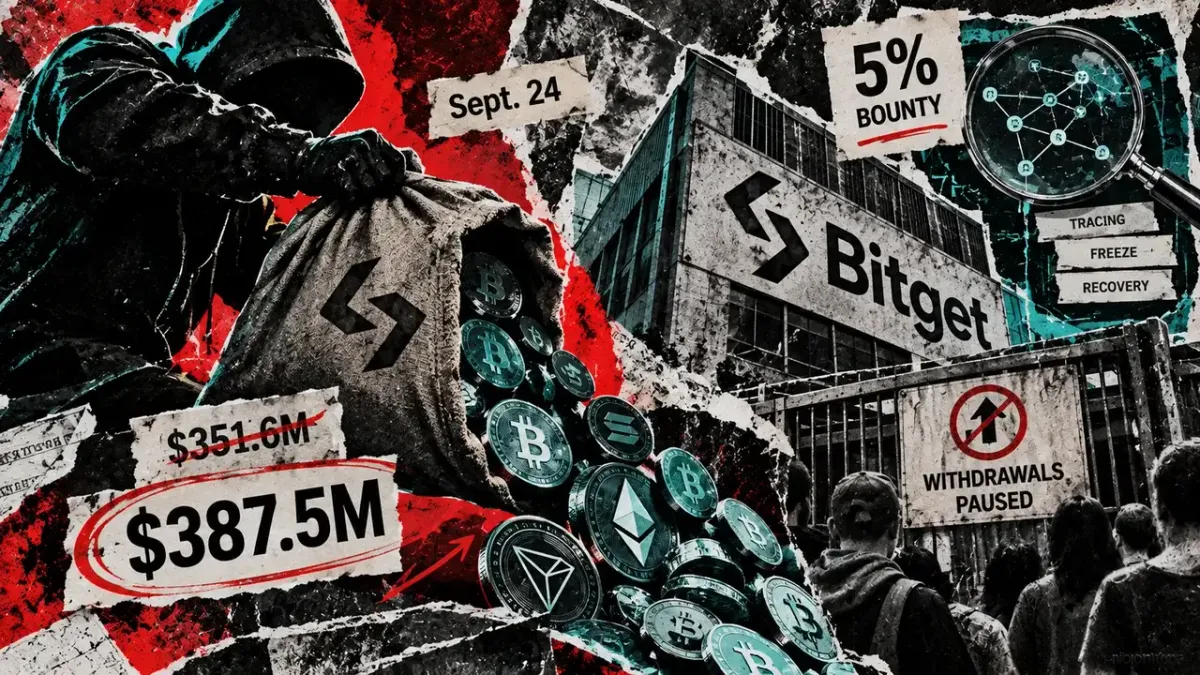
Bitget revises hack estimate, raising losses to $36 million with bounty offered

Dystopia Labs founder Hsin-Ju Chuang ruled to have died by suicide
Bitget hack losses rise to $387 million with North Korea suspected