Circle and Tether step in to freeze hacker wallet after massive Bitget crypto heist
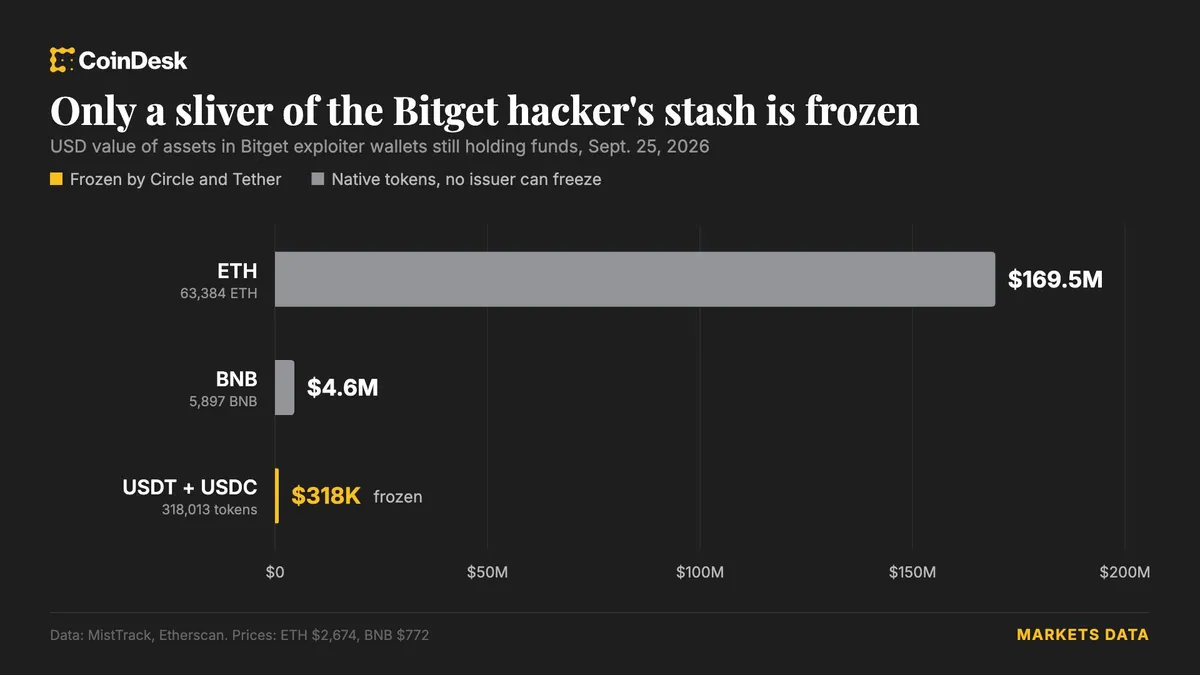
In a swift response to a significant crypto heist involving Bitget, stablecoin issuers Circle and Tether have taken decisive action by blacklisting a wallet that was found to hold approximately $318,000 in USDT and USDC. This move comes in the wake of the attack, which resulted in the theft of a considerable amount of crypto assets, primarily in ether, a currency that unfortunately cannot be frozen. The swift intervention by these companies underscores the ongoing challenges associated with security in the cryptocurrency space and the potential for rapid asset recovery when issuers act quickly.
The Bitget crypto heist has drawn attention to the vulnerabilities that exist within the trading platforms and wallets that handle digital assets. Ether, being a non-fungible token standard, poses unique challenges when it comes to recovery efforts following a hacking incident. Unlike stablecoins, which can be blacklisted and rendered unusable, ether remains accessible to the hacker, complicating recovery efforts and raising questions about the effectiveness of current security measures in the cryptocurrency ecosystem. This incident has prompted discussions about the need for enhanced security protocols across all platforms dealing with cryptocurrencies.
The implications of this heist extend beyond the immediate loss of funds. The swift actions taken by Circle and Tether to freeze the hacker's wallet serve as a reminder of the importance of security in the crypto industry. This incident may lead to increased scrutiny of trading platforms and their protective measures against similar attacks. Furthermore, the fact that the stolen funds are mostly in ether, which cannot be frozen, raises concerns about the effectiveness of existing security and regulatory measures in the crypto space. This incident may push other industry players to develop more robust systems to deter hackers and protect user assets.
Industry experts have weighed in on the situation, highlighting the challenges that arise from the decentralized nature of cryptocurrencies. While the ability to blacklist certain tokens is a positive step, many argue that the lack of a standardized approach to security across platforms leaves users vulnerable to attacks. Experts suggest that there is a pressing need for collaboration among crypto exchanges, wallet providers, and regulatory bodies to establish more comprehensive security frameworks that can help protect against such incidents in the future.
Looking ahead, the fallout from the Bitget heist may prompt further discussions about security within the cryptocurrency industry. As more exchanges and wallets evaluate their security measures, we may see a shift towards implementing stricter protocols to prevent future hacks. Additionally, this incident may catalyze the development of new technologies aimed at enhancing the recovery process for stolen assets. Overall, the Bitget heist serves as a critical reminder of the ongoing risks associated with digital assets and the need for continuous improvement in security practices.

CoinMagnetic Team
Crypto investors since 2017. We trade with our own money and test every exchange ourselves.
Updated: September 2026
From our insights:
Related news

Bitget hack losses rise to $387 million with North Korea suspected

Magic Eden legacy approvals leave $5.7 million in NFTs exposed to exploit before rescue
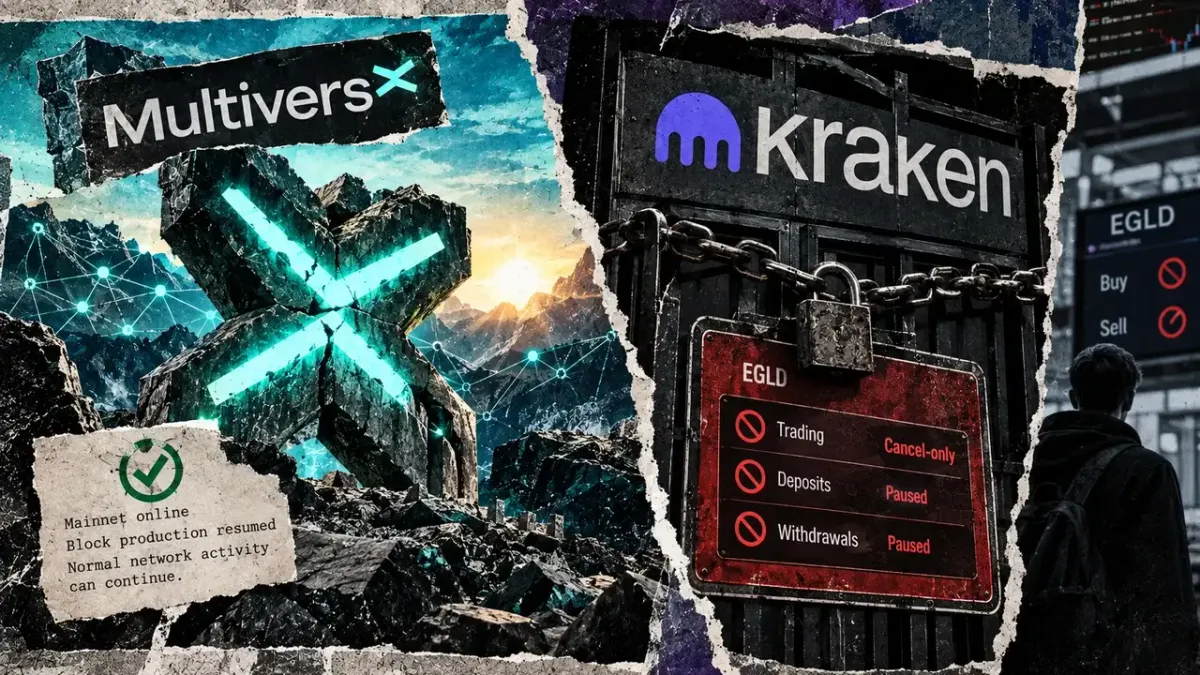
MultiversX resumes mainnet operations, but Kraken halts new EGLD trades

KelpDAO files lawsuit against LayerZero over $292 million exploit
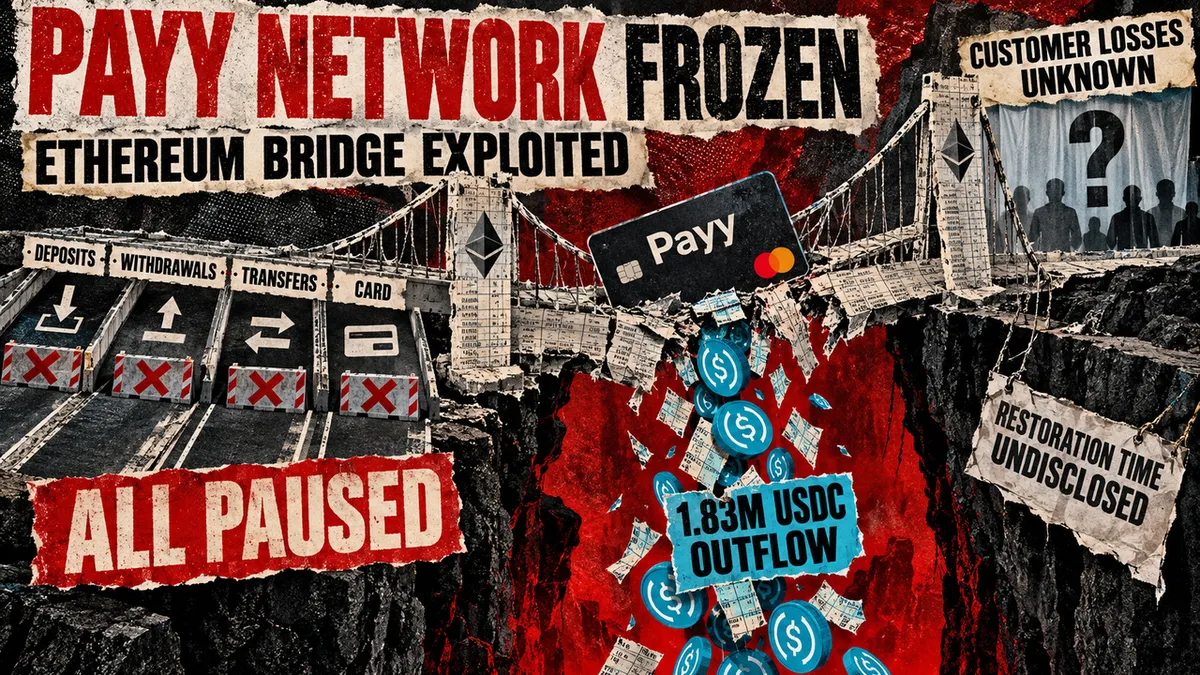
Payy bridge exploit drains funds, leaving customer balances at risk