Adam Back’s Bitcoin treasury deal died, but its $15M obligation did not
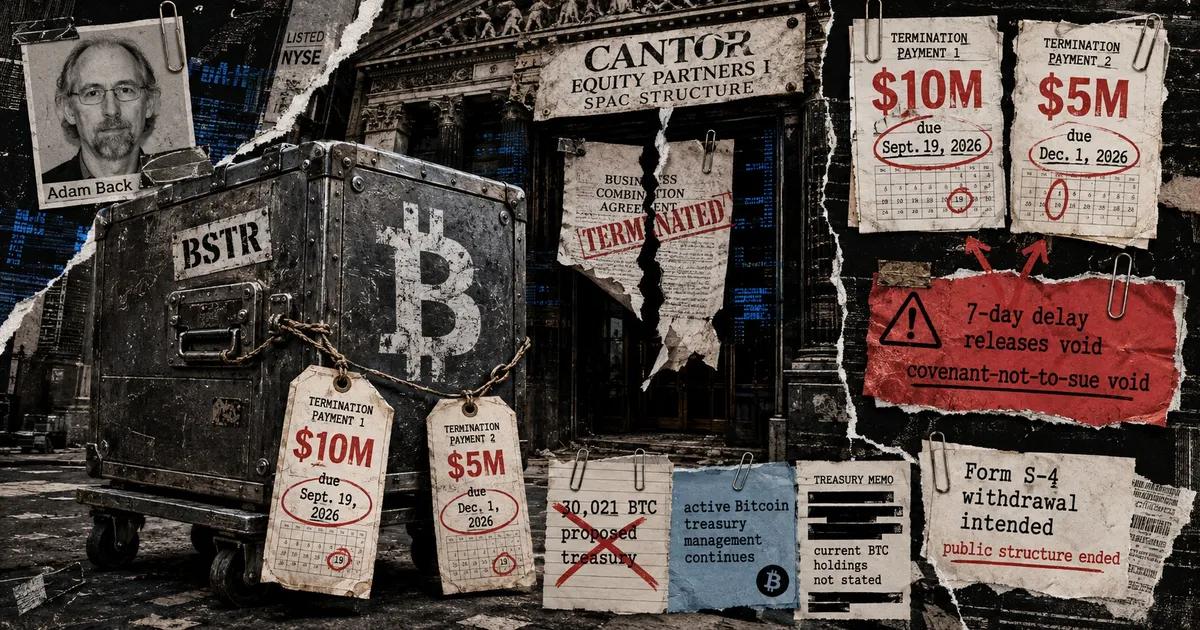
The recent collapse of Adam Back's Bitcoin treasury deal has left a significant obligation intact–one that amounts to $15 million. Although the public Bitcoin treasury structure that was proposed has been scrapped, the two payments due in 2026 are still very much alive, albeit under a narrow seven-day release condition. This situation raises questions about the implications for involved parties and the broader cryptocurrency market.
In the context of the evolving landscape of cryptocurrency treasury management, Adam Back's initiative was seen as a noteworthy attempt to standardize how companies manage their Bitcoin reserves. Back, a prominent figure in the Bitcoin community and CEO of Blockstream, aimed to create a model that could inspire other organizations to adopt similar frameworks. However, with the dissolution of this deal, stakeholders are left contemplating the reasons behind its failure and what it means for future treasury models.
The persistence of the $15 million obligation, despite the deal's termination, signals ongoing financial commitments that could impact liquidity for parties involved. Additionally, this situation could influence market sentiment, as it underscores the complexities and risks associated with corporate treasury management in the crypto space. Investors and market participants may closely monitor how this situation unfolds and whether it leads to broader implications for Bitcoin's institutional adoption.
Industry reactions have been mixed, with some experts expressing concern about the implications of the deal's failure on investor confidence in Bitcoin treasury strategies. Others, however, view this as a temporary setback that reflects the challenges inherent in pioneering new financial frameworks. The conversation continues among industry leaders about how best to navigate these complexities and what lessons can be learned from Back's experience.
Looking ahead, the focus will likely shift to how the involved parties will manage the remaining $15 million obligation and whether they can establish new frameworks for Bitcoin treasury management. This situation may also serve as a catalyst for further discussions on the sustainability and viability of Bitcoin as a treasury asset, potentially leading to new innovations in the space.

CoinMagnetic Team
Crypto investors since 2017. We trade with our own money and test every exchange ourselves.
Updated: August 2026
From our insights:
Related news

Ondo Finance introduces private-markets platform with AI tokenized notes

Ondo launches tokenized notes for pre-IPO AI company investment
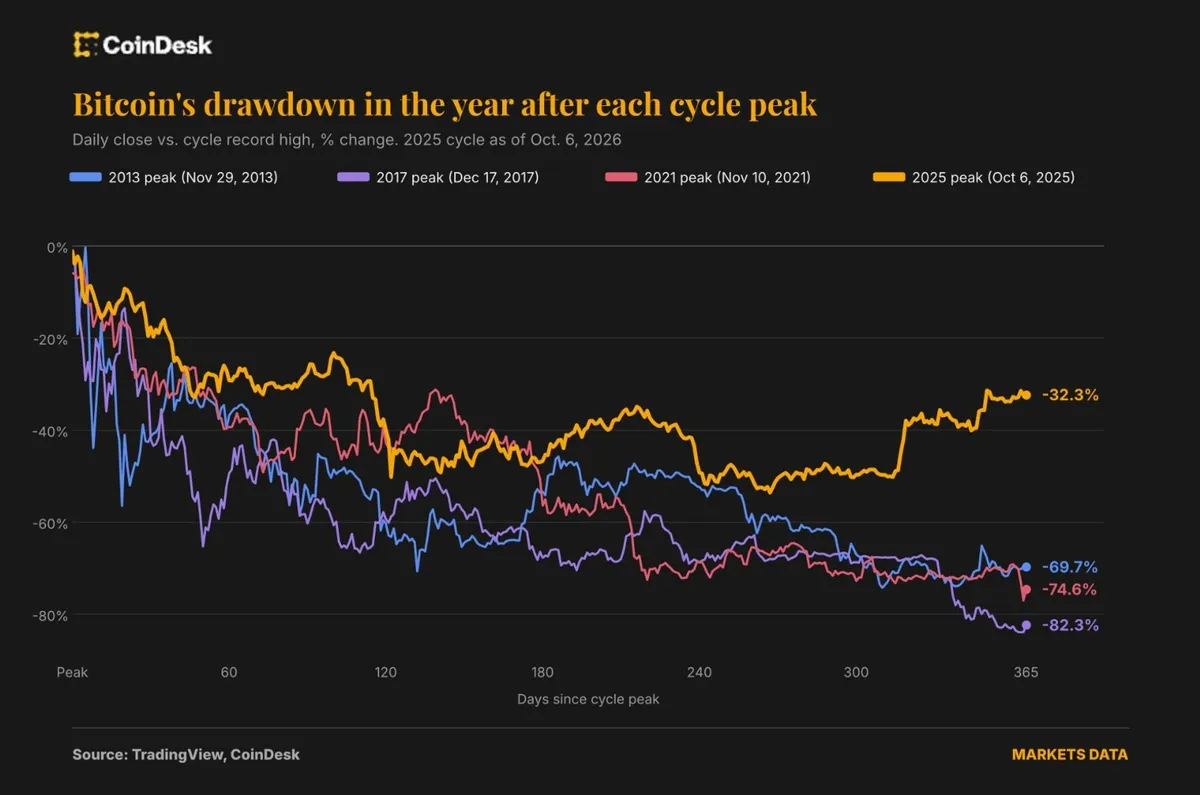
Bitcoin's 32% drop a year post-$126,000 peak shows milder bear market

Bitcoin ETFs experience $90M outflow as BTC trades 32% below ATH

EEZ initiates atomic L1-to-L2 transaction test to unify Ethereum ecosystem