Aave to overhaul collateral and listing standards after KelpDAO exploit
Aave, one of the leading decentralized lending platforms, is taking significant steps to enhance its collateral and asset listing standards in the wake of the recent KelpDAO exploit. The platform plans to expand its asset listing criteria to not only consider financial risk but also to incorporate factors related to cybersecurity and architectural integrity. This move aims to bolster the security framework of decentralized finance (DeFi) protocols, encouraging a more comprehensive evaluation that extends beyond mere financial metrics. By setting this precedent, Aave hopes to inspire other platforms in the DeFi ecosystem to adopt similar measures, thereby fostering a safer environment for users and investors alike.
The KelpDAO exploit, which raised serious concerns regarding the vulnerabilities present in DeFi protocols, has prompted Aave's leadership to rethink the way assets are assessed before being listed on the platform. Historically, the DeFi sector has often prioritized financial performance indicators, such as liquidity and market capitalization, when determining the viability of assets. However, as the space matures and threats evolve, the need for a more holistic approach to risk assessment has become increasingly clear. Aave's decision reflects a growing understanding that cybersecurity and the underlying architecture of assets are just as critical to the platform's overall stability and security.
This shift in asset evaluation standards could have significant implications for the broader market. By prioritizing cybersecurity and architectural soundness, Aave is setting a benchmark that could lead to higher standards across the DeFi industry. Enhanced security measures may improve user confidence and attract more participants to the DeFi space, potentially leading to increased liquidity and healthier market dynamics. Furthermore, as DeFi continues to face scrutiny from regulators and traditional finance entities, adopting rigorous security protocols could prove beneficial in demonstrating to stakeholders that the sector is committed to safeguarding user interests.
Industry reactions to Aave's announcement have been largely positive. Many experts agree that the move is a necessary evolution for DeFi, especially in light of recent exploits that have caused significant financial losses for users. Some analysts have hailed Aave's proactive approach as a potential game-changer, emphasizing the importance of integrating cybersecurity measures into financial assessments. Additionally, other DeFi platforms are now under pressure to follow suit, as the community collectively acknowledges that a secure ecosystem is vital for the long-term viability of decentralized finance.
Looking ahead, Aave's initiative may catalyze a broader industry shift towards enhanced risk assessment protocols. If successful, this could lead to a new standard in DeFi that prioritizes not only financial metrics but also security and architectural integrity. As Aave works to implement these changes, it will be interesting to observe how other platforms respond and whether this movement towards comprehensive asset evaluation will gain traction across the DeFi landscape. The ongoing evolution will likely shape the future of decentralized finance, as the industry seeks to build a foundation of trust and security for all participants.

CoinMagnetic Team
Crypto investors since 2017. We trade with our own money and test every exchange ourselves.
Updated: May 2026
From our insights:
Related news

European central banks push to expand stablecoin yield ban to crypto lending and staking

CME introduces Bitcoin Cash and Uniswap futures amid growing demand for crypto derivatives

Solstice CEO predicts less volatile future for crypto cycles amid liquidity growth

Pragma flags 6 price feeds as critical risk following $3.5M Starknet lending exploit
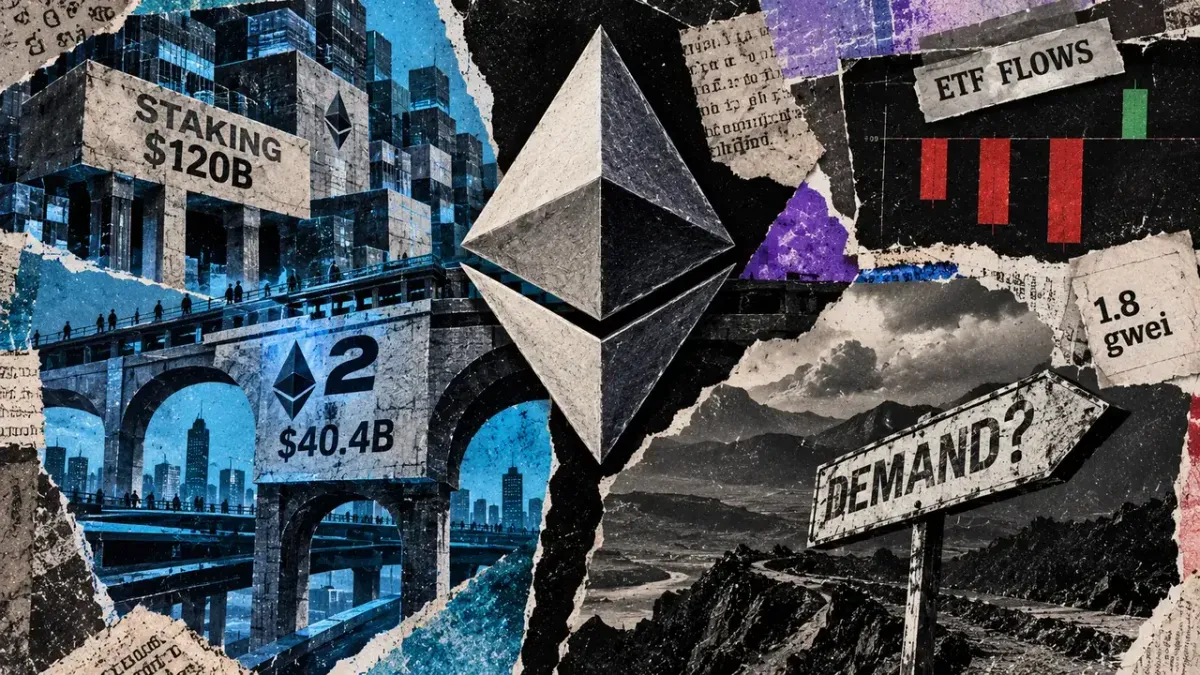
Ethereum's $120 billion in staking masks underlying supply dynamics