Aave overhauls listing standards after $230 Million rsETH exploit exposed bridge risks

Aave has recently announced a significant overhaul of its asset-listing standards following a major exploit that led to a loss of approximately $230 million related to its staked Ether (rsETH). The exploit was traced back to a failure in the verification process of the LayerZero bridge, which raised serious concerns about the security of cross-chain transactions. This incident not only highlights the vulnerabilities that can exist in decentralized finance (DeFi) platforms but also emphasizes the need for stricter protocols when listing new assets. In their official postmortem, Aave outlined the steps they plan to take to enhance security and mitigate risks associated with bridging assets.
To better understand the implications of this exploit, it is crucial to consider the rise of cross-chain functionality within the DeFi space. Bridges have become increasingly popular as they allow users to transfer assets between different blockchain networks. However, this growing reliance on cross-chain bridges has also opened new avenues for potential exploits, as evidenced by the recent incident involving Aave. Historically, DeFi protocols have focused primarily on securing smart contracts, but this exploit serves as a wake-up call that risks are evolving and must be addressed comprehensively.
The market reaction to Aave's announcement has been mixed, with many investors expressing concern over the vulnerabilities that have surfaced. The exploit has raised questions about the overall safety of using bridges in DeFi, which could lead to decreased confidence in cross-chain operations. As Aave implements its new asset-listing standards, it may set a precedent for other platforms to follow, fostering a more secure environment for users. This shift could either restore trust in DeFi or lead to a more cautious approach as users reevaluate the risks associated with various protocols.
Industry experts have weighed in on the situation, emphasizing the importance of robust security measures and ongoing audits for DeFi projects. Some analysts argue that the incident underscores the need for better collaboration among projects to address cross-chain vulnerabilities collectively. Others believe that the market will likely recalibrate in response to these security incidents, pushing developers to prioritize safety over rapid innovation. The general sentiment is that while the DeFi space is still in a phase of rapid growth, the focus must pivot towards safeguarding user assets and ensuring that similar exploits are prevented in the future.
Looking ahead, Aave's proactive measures could influence the broader DeFi landscape, potentially leading to new standards for asset listings and security protocols. As the community watches how these changes unfold, it is likely that other DeFi platforms will take note and reevaluate their own security practices. The evolution of risk management in DeFi will be critical as the ecosystem matures, and Aave's response to this exploit may serve as a crucial case study for future developments in the industry.

CoinMagnetic Team
Crypto investors since 2017. We trade with our own money and test every exchange ourselves.
Updated: June 2026
From our insights:
Related news

Solstice CEO predicts less volatile future for crypto cycles amid liquidity growth

Pragma flags 6 price feeds as critical risk following $3.5M Starknet lending exploit

Ethereum's $120 billion in staking masks underlying supply dynamics

NEAR price surges 80% weekly as Intents volume approaches $30 billion
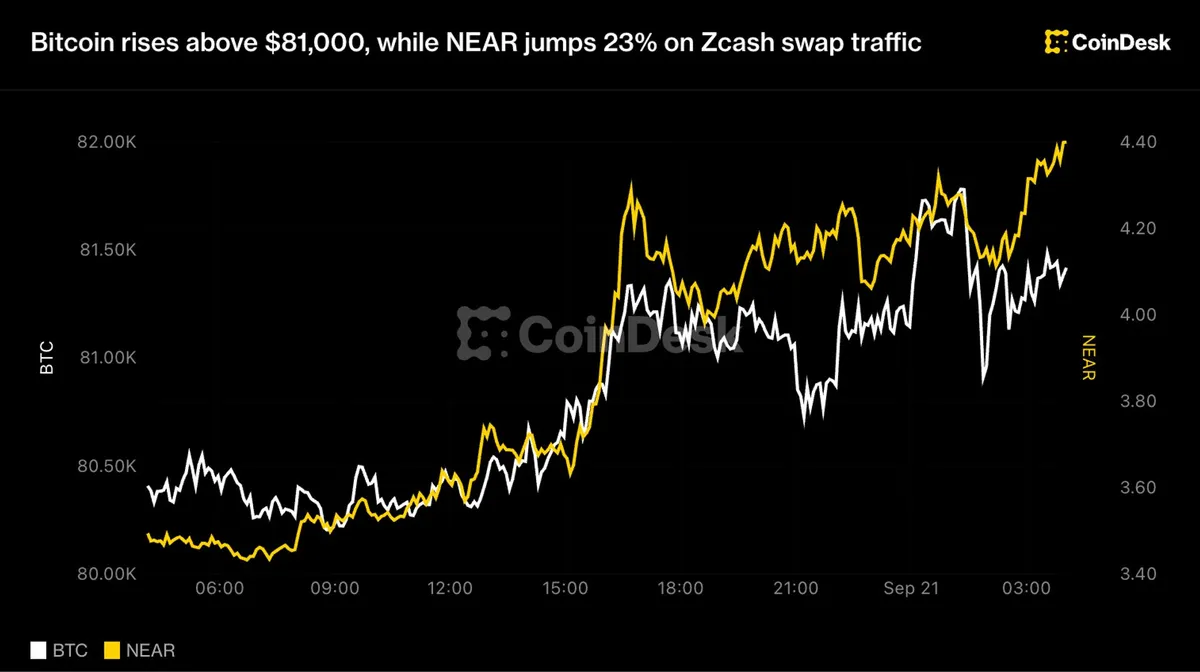
Bitcoin surpasses $81,000 as NEAR surges 23% amid Zcash swap activity