Aave now has a regulated path from bank accounts to DeFi lending – The hard part is keeping users there

Aave Labs recently made significant strides in bridging the gap between traditional banking and decentralized finance (DeFi) by announcing that its UK subsidiaries, Push Labs Ltd. and Push Virtual Assets Ltd., have received registration from the Financial Conduct Authority (FCA) as cryptoasset exchange providers. This noteworthy development builds on their existing Electronic Money Institution authorization, creating a robust regulatory framework for Aave's operations. Additionally, Push Virtual Assets Ireland Limited has secured the MiCAR CASP license from the Central Bank of Ireland, enhancing Aave’s footprint in Europe. This layered regulatory approval not only strengthens Aave's legitimacy but also opens up new pathways for users to transition seamlessly from fiat accounts to DeFi lending services.
To understand the significance of this announcement, it is crucial to consider the broader regulatory landscape. The rise of DeFi has come hand-in-hand with increasing scrutiny from regulatory bodies worldwide. As traditional financial institutions and governments grapple with the implications of blockchain technology and cryptocurrency, having a compliant structure is essential for any platform aiming to attract mainstream users. Aave’s proactive approach to securing regulatory approvals positions it favorably in an increasingly competitive market, as it underscores a commitment to compliance and safety–qualities that are often top of mind for potential users hesitant to dive into the world of DeFi.
This development matters significantly for the market as it symbolizes a potential shift towards increased institutional adoption of DeFi solutions. By providing a regulated pathway, Aave could facilitate greater participation from traditional finance players and retail investors who might otherwise shy away from the unregulated nature of the DeFi space. Furthermore, this could inspire other projects to pursue similar regulatory clarity, thereby fostering a more structured and secure environment for crypto transactions. As the DeFi space matures, such compliance initiatives may reduce the risks associated with using decentralized platforms, making them more appealing to a broader audience.
Industry reactions have been mixed, with some experts praising Aave's foresight in navigating regulatory waters, while others caution that regulatory compliance may lead to increased operational costs and complexity. Some analysts highlight that attracting and retaining users in a highly competitive landscape remains a challenge, even with regulatory backing. Users accustomed to the ease of decentralized protocols may not readily embrace the additional layers of regulation and oversight. The overall sentiment appears to recognize the importance of regulation but questions whether it may inadvertently deter the very users Aave aims to attract.
Looking ahead, Aave's next steps will likely involve refining its user experience to ensure that the transition from traditional banking to DeFi is as smooth as possible. The challenge will be to maintain the core principles of decentralization while accommodating regulatory requirements. Additionally, as the platform continues to evolve, Aave may explore further partnerships and innovations that enhance its offerings, ensuring it remains competitive and appealing in the rapidly evolving landscape of finance. The team's ability to balance compliance with user experience will be critical in determining Aave's success in the coming months and years.

CoinMagnetic Team
Crypto investors since 2017. We trade with our own money and test every exchange ourselves.
Updated: June 2026
From our insights:
Related news

Solstice CEO predicts less volatile future for crypto cycles amid liquidity growth

Pragma flags 6 price feeds as critical risk following $3.5M Starknet lending exploit

Ethereum's $120 billion in staking masks underlying supply dynamics

NEAR price surges 80% weekly as Intents volume approaches $30 billion
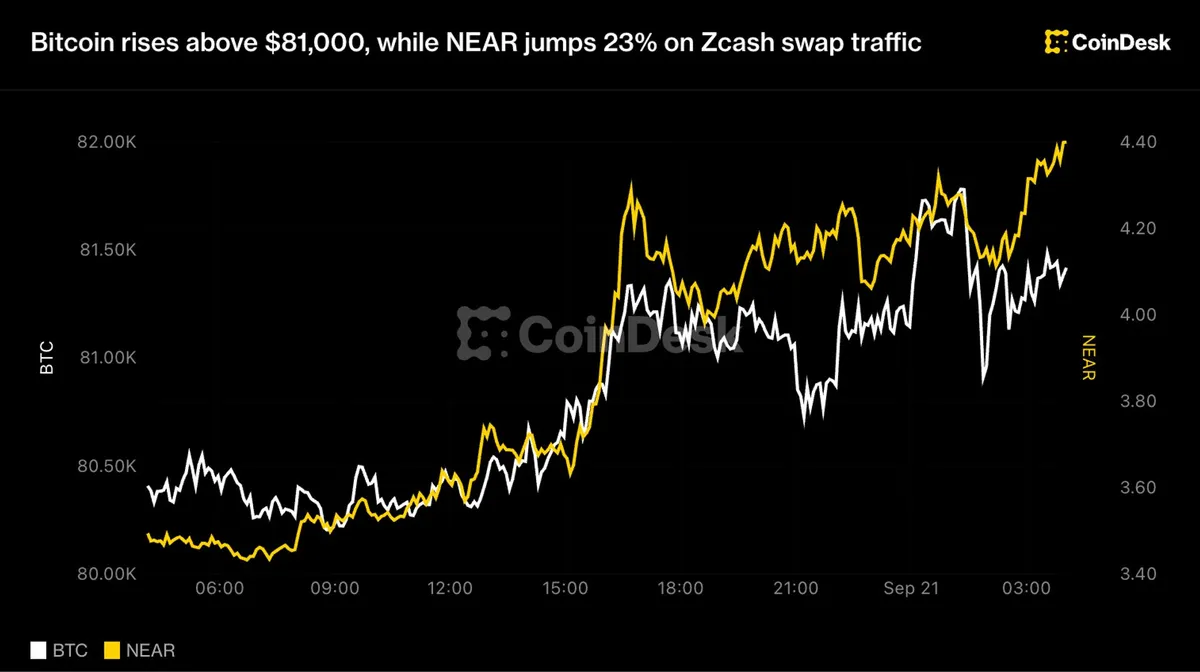
Bitcoin surpasses $81,000 as NEAR surges 23% amid Zcash swap activity