Aave is bank-sized, but $2.9T in corporate loans reveals the risk DeFi still can’t price

Recent data has revealed that U.S. commercial and industrial lending has surged to an impressive $2.89 trillion at commercial banks for the week ending May 13. This represents a notable increase of approximately $183 billion year-to-date and marks an 8.19% rise compared to the same period last year. With corporate America aggressively borrowing amid rising interest rates and tightening credit conditions from banks, this expanded lending landscape is indicative of a growing reliance on traditional financial institutions. This situation raises questions about the capacity of decentralized finance (DeFi) platforms, like Aave, to effectively manage and price such significant corporate borrowing risks.
To understand this context, it's essential to recognize the evolution of the lending landscape. DeFi platforms have emerged as alternatives to traditional banking, offering services like lending and borrowing without intermediaries. Aave, one of the prominent players in the DeFi space, has grown to a size that rivals established banks. However, the $2.89 trillion in corporate loans highlights a stark contrast between the scale of traditional banking and the current capabilities of DeFi platforms. While Aave and similar services have made strides in providing credit, they still face challenges in pricing risks associated with corporate loans, especially in a volatile market.
The implications of this disparity for the market are significant. As corporations continue to seek capital through traditional banks, the DeFi sector could find itself at a crossroads. Investors and users may question whether DeFi platforms can meet the demands of larger entities and whether they can adapt to the complexities of corporate lending. This situation could either drive innovation within the DeFi sector or reinforce the dominance of traditional banks, as they continue to manage substantial credit risks more effectively.
Industry reactions have been mixed, with some experts applauding the growth of Aave and its potential to disrupt traditional finance. However, others remain cautious, emphasizing the need for DeFi platforms to develop robust risk assessment models and pricing mechanisms. The consensus is that while Aave has made impressive strides, the challenges presented by corporate lending cannot be overlooked. These challenges may necessitate a reevaluation of how DeFi platforms operate and interact with traditional finance, particularly as regulatory scrutiny increases.
Looking ahead, the future of Aave and similar DeFi platforms will likely depend on their ability to innovate and adapt to the complexities of the corporate lending environment. As traditional banks continue to play a significant role in financing, DeFi platforms may need to explore partnerships or new financial instruments to enhance their credibility and effectiveness. The ongoing evolution of both sectors will be critical to watch, as it will shape the landscape of finance in the coming years.

CoinMagnetic Team
Crypto investors since 2017. We trade with our own money and test every exchange ourselves.
Updated: May 2026
From our insights:
Related news

Solstice CEO predicts less volatile future for crypto cycles amid liquidity growth

Pragma flags 6 price feeds as critical risk following $3.5M Starknet lending exploit
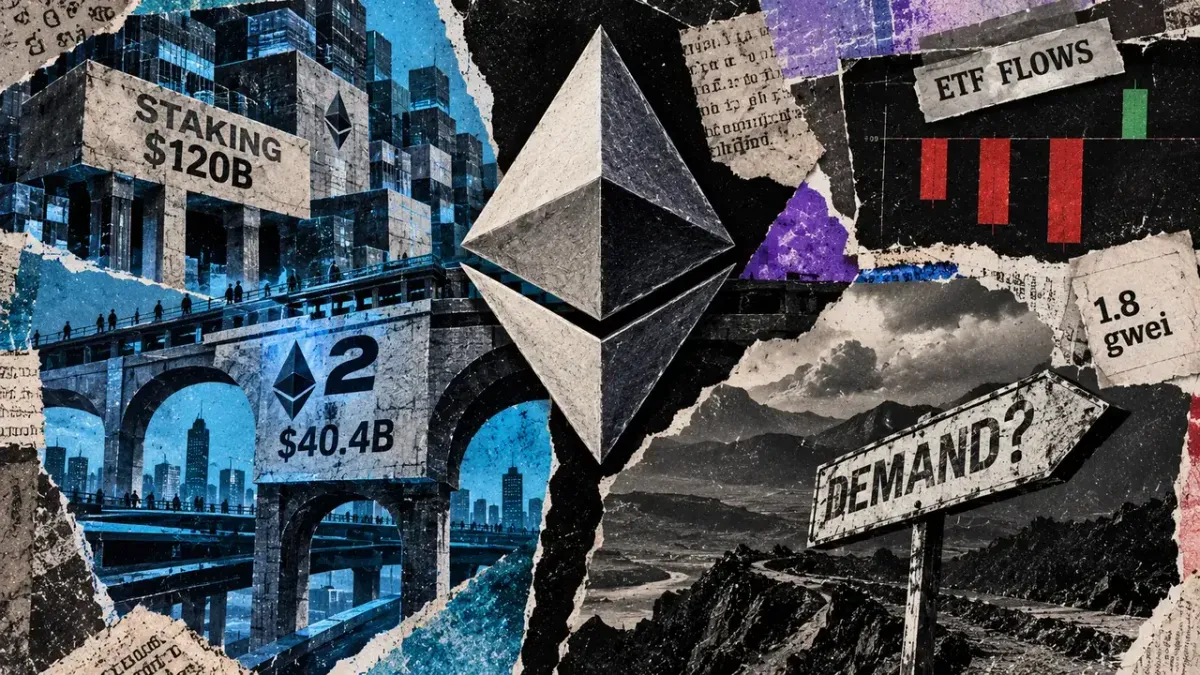
Ethereum's $120 billion in staking masks underlying supply dynamics

NEAR price surges 80% weekly as Intents volume approaches $30 billion
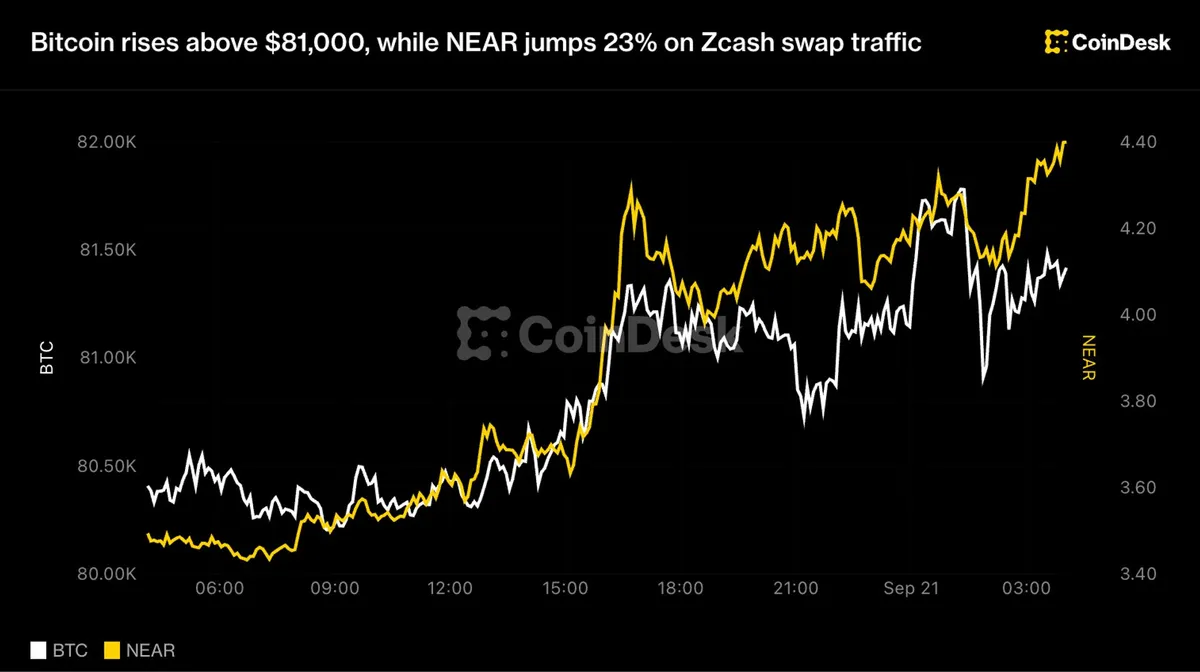
Bitcoin surpasses $81,000 as NEAR surges 23% amid Zcash swap activity