Aave Fights to Unfreeze $71 Million as Kelp DAO Hack Spills Into Court
Aave is currently embroiled in a legal battle to unfreeze $71 million worth of cryptocurrency, following a significant hack involving Kelp DAO. This case has drawn considerable attention as it raises critical questions about the legal ramifications of decentralized finance (DeFi) protocols when they intersect with traditional financial judgments. The frozen funds are linked to a recovery fund associated with Aave, which is now being scrutinized in federal court. As the proceedings unfold, the implications of the case could have far-reaching consequences for how DeFi operates in relation to established legal frameworks.
To better understand the significance of this case, it is essential to consider the context surrounding both Aave and Kelp DAO. Aave is a well-known lending platform in the DeFi space, allowing users to borrow and lend cryptocurrencies in a trustless environment. On the other hand, Kelp DAO, a decentralized autonomous organization, has been the subject of scrutiny following a hack that resulted in substantial losses. The current legal situation stems from the need to clarify whether recovery funds held within DeFi protocols can be accessed to fulfill unrelated legal judgments, a matter that has never been definitively settled in court.
This case matters for the broader market as it touches on the ongoing debate about the intersection of DeFi and traditional finance. If the court rules in favor of the seizure of these recovery funds, it could set a precedent that influences how DeFi projects manage their assets and liabilities in the future. Moreover, the outcome may alter the perception of risk associated with participating in DeFi, especially in terms of regulatory compliance and the potential for legal repercussions. This case could either reinforce confidence in the decentralized financial ecosystem or deter potential investors who may see legal vulnerabilities.
Industry experts have weighed in on the implications of this case, highlighting the precarious nature of DeFi's legal status. Some argue that the court's decision could either validate or undermine the autonomy of DeFi protocols, depending on how they interpret the relationship between smart contracts and traditional legal systems. Others believe that a ruling in favor of seizing the funds may provoke a backlash from the DeFi community, potentially leading to a reevaluation of how projects handle security and governance. This case serves as a crucial moment for the industry, as it grapples with the complexities of existing financial laws and the innovative nature of decentralized finance.
Looking ahead, we anticipate that the outcome of this case will prompt further discussions regarding regulatory frameworks for DeFi. Depending on the ruling, we might see increased calls for clearer guidelines that govern how decentralized protocols operate in relation to traditional financial systems. As the case progresses, both Aave and Kelp DAO will likely continue to navigate the uncertainties of a rapidly evolving legal landscape, which could shape the future of DeFi and its integration into the broader financial ecosystem.

CoinMagnetic Team
Crypto investors since 2017. We trade with our own money and test every exchange ourselves.
Updated: May 2026
From our insights:
Related news

Solstice CEO predicts less volatile future for crypto cycles amid liquidity growth

Pragma flags 6 price feeds as critical risk following $3.5M Starknet lending exploit

Ethereum's $120 billion in staking masks underlying supply dynamics

NEAR price surges 80% weekly as Intents volume approaches $30 billion
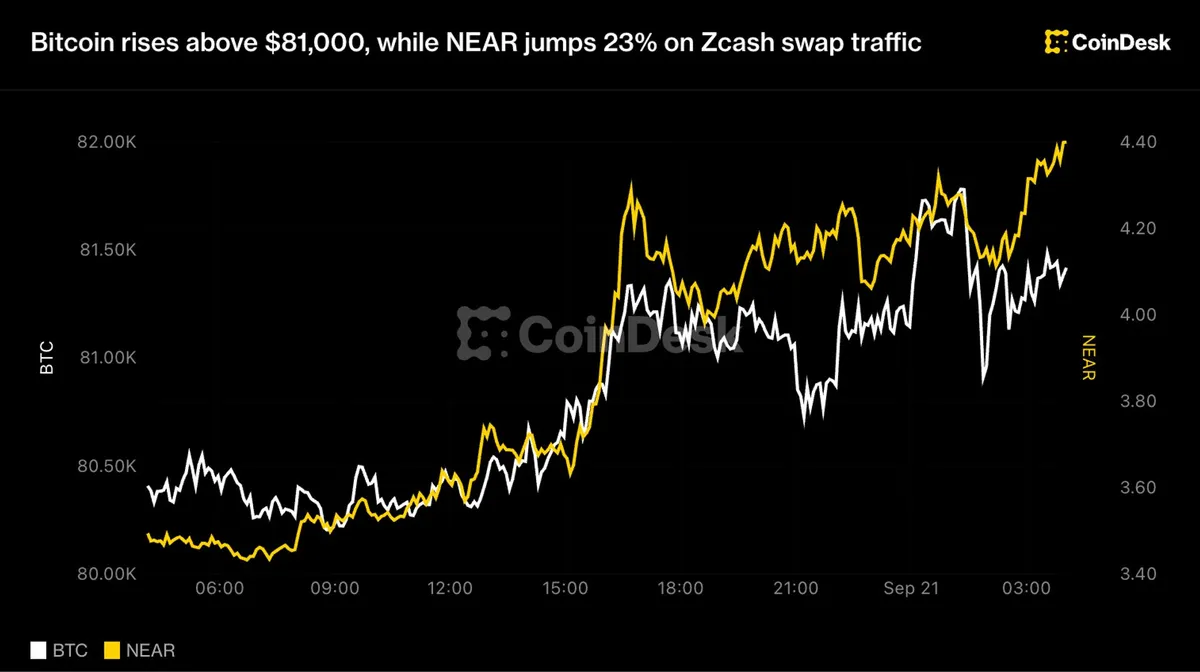
Bitcoin surpasses $81,000 as NEAR surges 23% amid Zcash swap activity