Aave fights court-ordered $73 million ETH freeze, argues ‘a thief does not own what he steals’
Aave LLC is currently embroiled in a legal dispute as it seeks to overturn a federal court order that froze approximately $73 million worth of ether (ETH) connected to the recent Kelp DAO exploit. The emergency motion filed by Aave asserts that the assets in question should not be considered the rightful property of the parties involved in the hack, arguing that “a thief does not own what he steals.” This legal maneuver comes on the heels of a significant breach that saw Kelp DAO's funds compromised, leading to a swift response from the court to freeze the assets to prevent further dissipation.
The Kelp DAO exploit has raised serious questions about the security and integrity of decentralized finance (DeFi) platforms, underscoring vulnerabilities that can be exploited by malicious actors. The incident involved a sophisticated attack that resulted in a substantial loss for Kelp DAO, prompting immediate actions from both the platform's developers and legal authorities. Aave’s response highlights the complexities of asset ownership in the crypto space, particularly in instances where stolen funds are involved, and the legal interpretations that can arise from such events.
This situation is particularly significant for the broader market as it highlights the ongoing challenges DeFi platforms face regarding security and regulatory frameworks. Investors are watching closely, as legal precedents set in cases like this could influence future governance and operational protocols within the DeFi ecosystem. The outcome of Aave's motion could also impact the perception of how effectively decentralized platforms can protect their users and manage risks associated with hacks and exploits.
Industry experts have weighed in on Aave's legal strategy, with many noting that the argument regarding stolen assets is not only pivotal to this case but could also shape future legal battles in the space. Some legal analysts believe that the court's ruling could set a precedent that affects how crypto assets are treated in similar scenarios, potentially influencing the behavior of both hackers and developers in the DeFi sector. Others caution that the argument may lead to more complex discussions about ownership and the ethical implications surrounding stolen assets.
Looking ahead, the resolution of this case will be critical in shaping the landscape of DeFi security and asset management. Aave's legal team will likely continue to push for a favorable ruling, while Kelp DAO and its stakeholders will be eager to recover their lost funds. As this case unfolds, it will be essential for the industry to monitor not only the legal outcomes but also the broader implications for investor confidence and the future regulatory environment governing decentralized finance.

CoinMagnetic Team
Crypto investors since 2017. We trade with our own money and test every exchange ourselves.
Updated: May 2026
From our insights:
Related news

Solstice CEO predicts less volatile future for crypto cycles amid liquidity growth

Pragma flags 6 price feeds as critical risk following $3.5M Starknet lending exploit

Ethereum's $120 billion in staking masks underlying supply dynamics

NEAR price surges 80% weekly as Intents volume approaches $30 billion
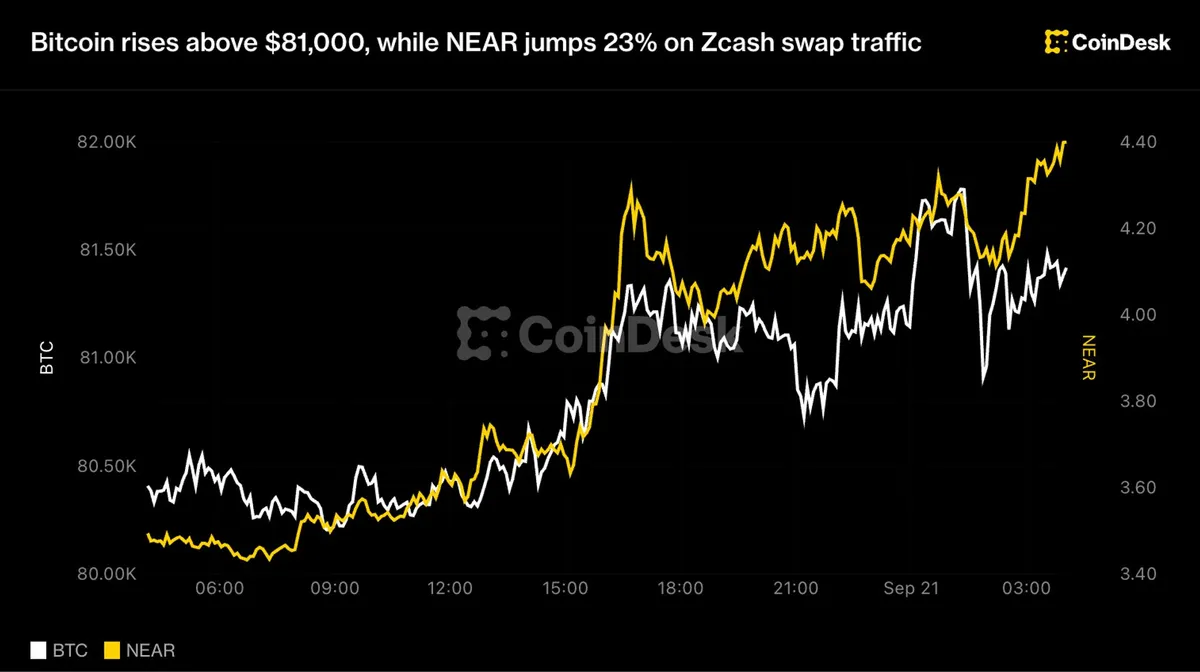
Bitcoin surpasses $81,000 as NEAR surges 23% amid Zcash swap activity