A 7 year Ledger bug lets attackers rebuild a private key from five signatures in seconds
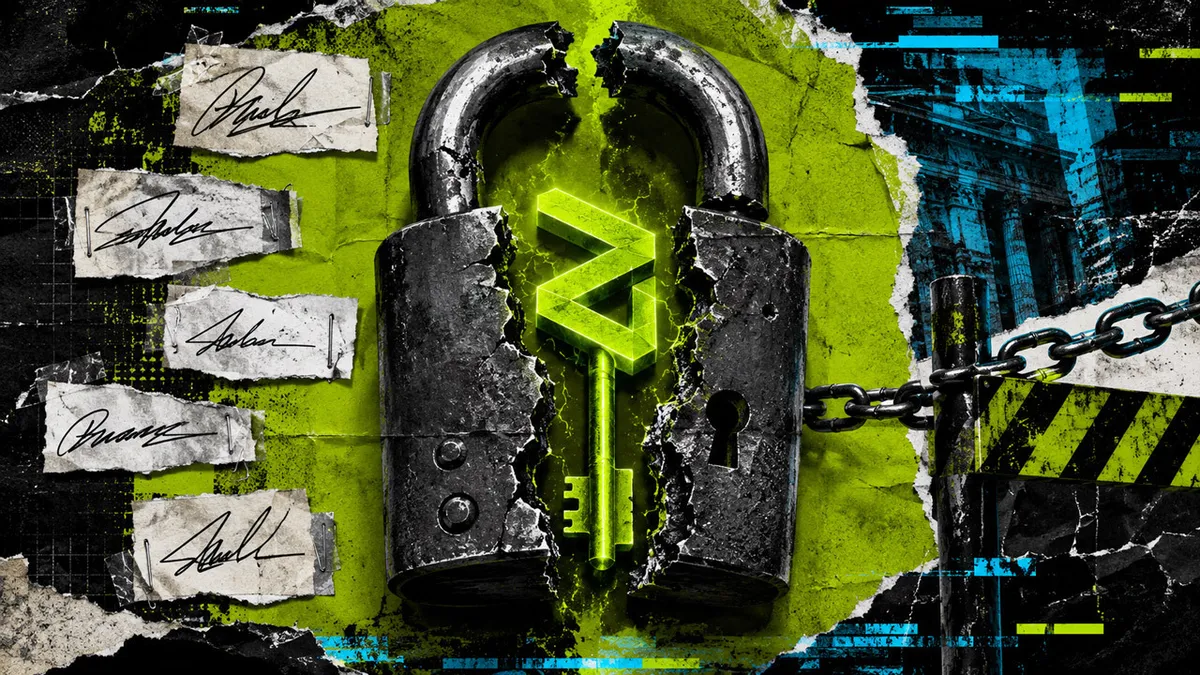
Zilliqa has recently made headlines by suspending native transactions following the discovery of a serious vulnerability in its Ledger integration. This flaw, which has reportedly existed for seven years, allows attackers to potentially reconstruct a private key using just five affected signatures from the same key. The issue is particularly concerning as it relates to Schnorr signatures generated for native, non-EVM transactions through the Zilliqa Ledger app. The team at Zilliqa has acted swiftly to mitigate risk by halting transactions that could be exploited through this vulnerability, highlighting the urgent need for security in crypto transactions.
To better understand the implications of this bug, it is essential to consider the context of both Schnorr signatures and Ledger technology. Schnorr signatures are a type of cryptographic signature that offer advantages in terms of efficiency and security. However, when exploited, they can lead to significant vulnerabilities, as seen in this case. The Ledger hardware wallet is a popular choice among cryptocurrency users for securing private keys, but this incident raises questions about the robustness of its integration with various blockchain networks. The combination of these technologies has now come under scrutiny, prompting a reevaluation of security protocols across the ecosystem.
The impact of this discovery on the market could be profound. As Zilliqa halts transactions to address the bug, traders and investors may experience uncertainty regarding the network's security and reliability. This incident could lead to a ripple effect, prompting other crypto projects to reassess their own security measures and potentially influencing the broader market dynamics. The risk of losing funds due to such vulnerabilities can erode trust in the technology, which is crucial for the ongoing adoption of cryptocurrencies.
Industry reactions have been varied, with experts expressing both concern and a call for vigilance. Some have pointed out the need for stronger security audits and better practices in code management to prevent similar vulnerabilities from being overlooked in the future. Others have emphasized the importance of transparency from both Zilliqa and Ledger to restore confidence among users. The community's response indicates a growing awareness of the potential risks associated with blockchain technology and the need for continuous improvement in security measures.
Looking ahead, Zilliqa faces the challenge of not only resolving this crisis but also ensuring that such vulnerabilities do not occur again. The team will likely need to implement comprehensive reviews of their systems and work closely with security experts to bolster their defenses. As the situation unfolds, it will be crucial for both Zilliqa and Ledger to communicate effectively with their user base to rebuild trust and provide clear guidance on safe practices moving forward. This incident serves as a stark reminder of the ever-evolving landscape of cybersecurity in the crypto industry and the importance of vigilance in protecting digital assets.

CoinMagnetic Team
Crypto investors since 2017. We trade with our own money and test every exchange ourselves.
Updated: July 2026
From our insights:
Related news
SEC highlights tokenization and artificial intelligence as major regulatory focus areas

Israel targets blockchain integration to bypass banking sanctions, Netanyahu reveals

Senate subcommittee requests Tether records following reports of a deal with former Trump adviser

Initia halts network following security incident involving $2.7 million in ether

Securities regulators spotlight asset tokenization risks for 2027