NYPD warns Meta glasses could be used for covert filming in police facilities
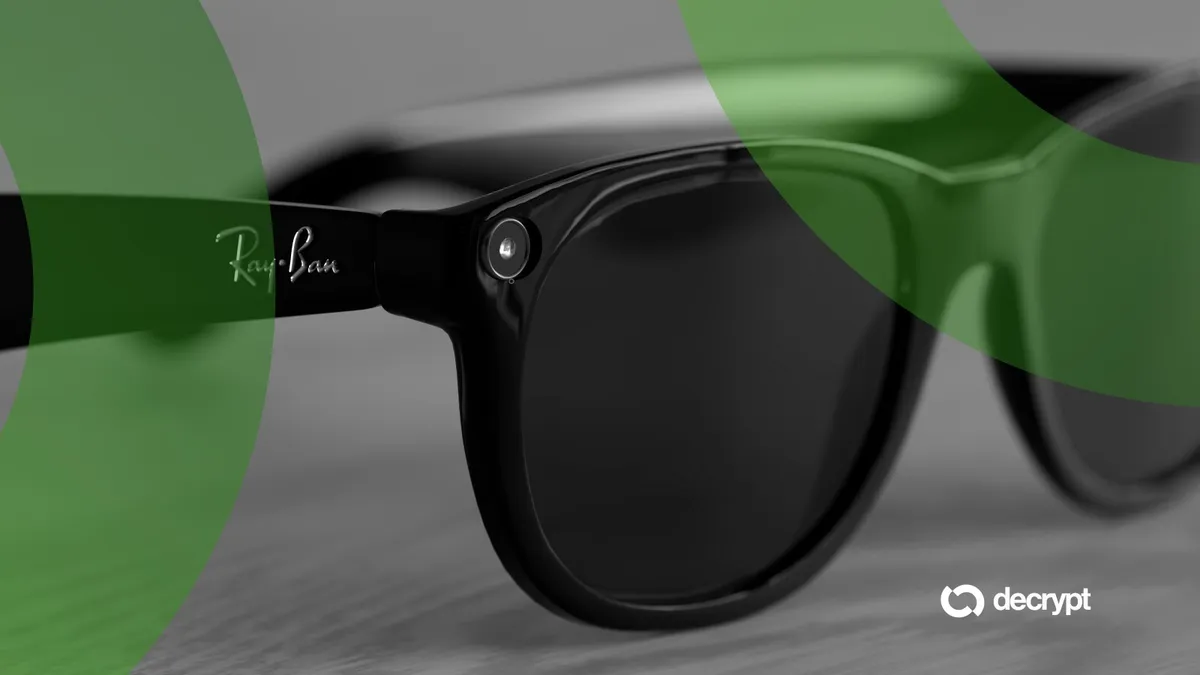
Recent memos from the New York Police Department (NYPD) to the Department of Homeland Security express concerns about the potential misuse of Meta's smart glasses. According to the reports, these devices may be used for covert filming within jails and police facilities, raising alarms about privacy and security in law enforcement environments. The NYPD's apprehensions underscore the growing tension between technological advancements and the need for safeguarding sensitive areas from unauthorized surveillance.
The introduction of smart glasses into the consumer market has been met with mixed reactions over the years, particularly regarding privacy implications. Meta, formerly known as Facebook, has made significant strides in developing augmented reality technology, and its glasses are designed to integrate digital experiences into everyday life. However, as these devices become more prevalent, concerns about their potential for misuse in environments like police stations or correctional facilities become increasingly relevant, especially given the high stakes involved in maintaining security and confidentiality.
This situation matters for the market as it highlights the potential backlash against emerging technologies that invade personal and institutional privacy. The fears expressed by law enforcement may lead to greater scrutiny and regulation of smart devices, which could impact Meta's business strategy and product development. Additionally, other companies developing similar technologies may also face increased pressure to ensure their products are not misused, potentially stifling innovation in the sector.
Industry experts and commentators have begun to weigh in on the implications of these concerns. Some argue that the technology could enhance security measures if used responsibly, while others emphasize the importance of establishing strict guidelines to prevent abuse. The conversation around privacy versus innovation is gaining momentum, and many in the tech community are calling for a more proactive approach to address these issues before they escalate further.
Looking ahead, it will be crucial for Meta and similar companies to engage with law enforcement and regulatory bodies to ensure that their technologies are implemented in a way that respects privacy while still allowing for innovation. The outcome of this dialogue could shape the future of augmented reality technologies and their role in our society, as well as set precedents for other tech firms navigating similar challenges.

CoinMagnetic Team
Crypto investors since 2017. We trade with our own money and test every exchange ourselves.
Updated: September 2026
From our insights:
Related news

Netanyahu evaluates blockchain strategy to counter potential banking sanctions
SEC highlights tokenization and artificial intelligence as major regulatory focus areas

Israel targets blockchain integration to bypass banking sanctions, Netanyahu reveals

Senate subcommittee requests Tether records following reports of a deal with former Trump adviser

Initia halts network following security incident involving $2.7 million in ether