84% of BTC hashrate secured Bitcoin DeFi in Q1, but miners saw little fee upside

In the first quarter of 2023, an impressive 84.01% of Bitcoin's total hash rate was dedicated to securing decentralized finance (DeFi) applications built on the Bitcoin blockchain. This statistic underscores the growing significance of Bitcoin as a foundation for DeFi projects, highlighting a shift towards leveraging Bitcoin's security features for decentralized financial services. Despite this strong backing, miners have not seen a proportional increase in revenue, particularly from transaction fees, raising questions about the overall profitability of mining in the current economic climate.
Historically, Bitcoin miners have primarily relied on block rewards and transaction fees to generate income. As Bitcoin's adoption has grown, so too has the complexity and the significance of DeFi projects, which have started to utilize Bitcoin's infrastructure. However, the relationship between increased hash power directed towards DeFi and miner revenue has not translated into higher earnings. This disconnect can be attributed to several factors, including the current market conditions, transaction fee structures, and the overall demand for Bitcoin DeFi services.
The implications of this trend are significant for the broader cryptocurrency market. As Bitcoin continues to serve as a secure base for DeFi applications, its role in the decentralized finance ecosystem may evolve, influencing both investor sentiment and market dynamics. However, the lack of revenue growth for miners could lead to concerns about the sustainability of mining operations, potentially impacting Bitcoin's security in the long run. If miners struggle to remain profitable, this could result in reduced hash power, which might weaken the network's resistance to attacks and affect the overall confidence in Bitcoin as a secure asset.
Industry experts have expressed varied opinions on this development. Some view the high hash rate securing DeFi as a positive indicator of Bitcoin's resilience and adaptability, suggesting that the network can support innovative use cases beyond traditional transactions. Others, however, caution that the lack of fee upside for miners could create long-term challenges, especially if miners begin to exit the market in search of better returns elsewhere. This could lead to increased centralization in mining operations, further complicating the landscape of Bitcoin's security.
Looking ahead, the situation poses several questions for the Bitcoin community and its stakeholders. Will miners adapt their strategies to cope with the current economic environment, or will the ongoing profitability challenges drive significant changes in the mining landscape? Additionally, as Bitcoin DeFi continues to grow, it will be crucial for the ecosystem to find a balance between securing the network and ensuring that miners are adequately compensated for their contributions. The coming months will likely reveal how these dynamics play out and their potential impact on Bitcoin and the broader cryptocurrency market.

CoinMagnetic Team
Crypto investors since 2017. We trade with our own money and test every exchange ourselves.
Updated: May 2026
From our insights:
Related news
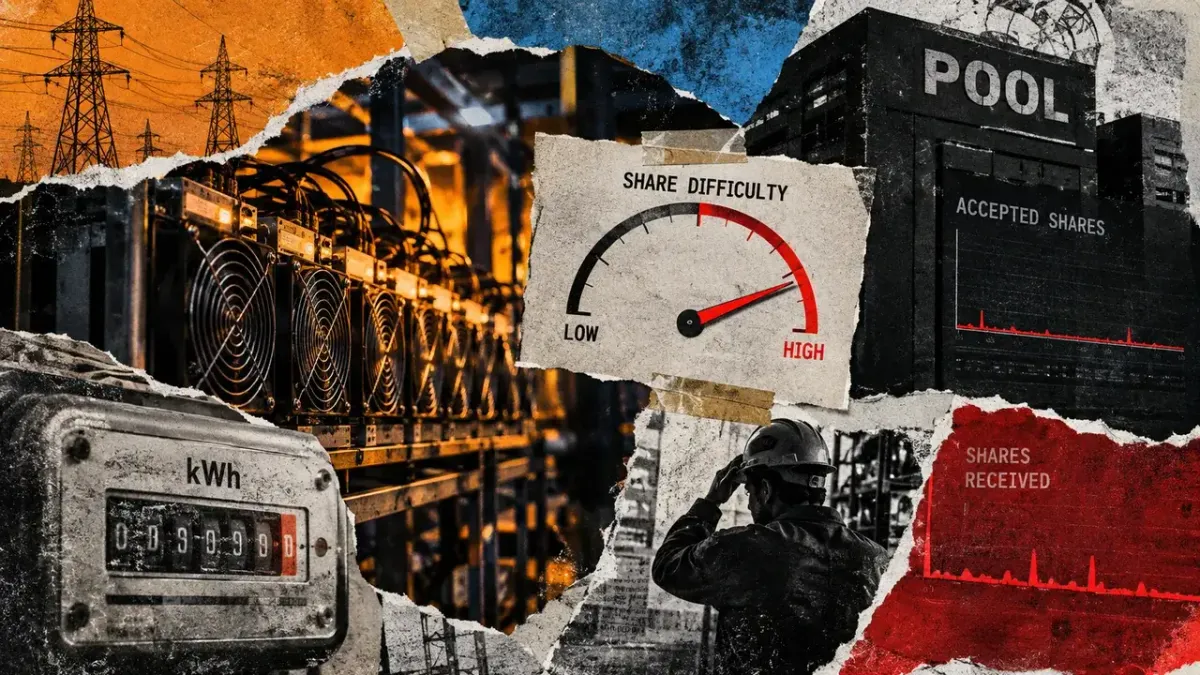
Power cuts to Bitcoin miners may paradoxically increase energy consumption

Grayscale’s Zcash ETF plans 3-for-1 split after $233 million inflow surge
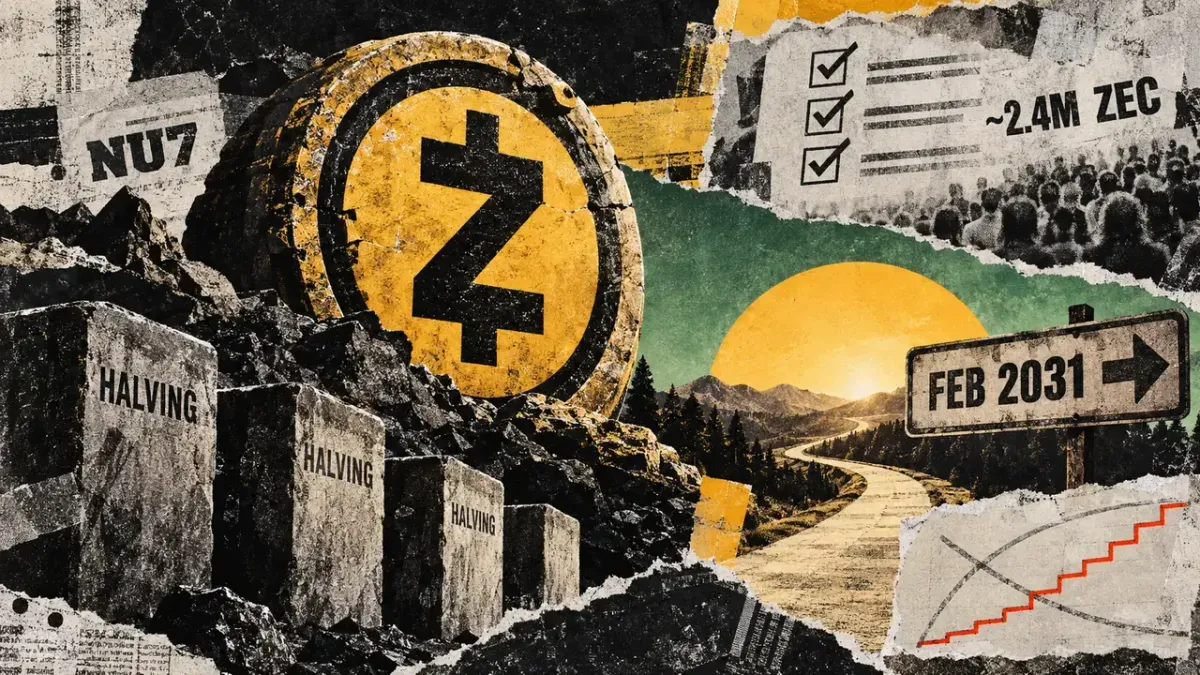
Zcash community votes to maintain halvings while delaying recycled ZEC until 2031
Zcash surges 168% in a month, nearing $1,400 after halving decision

Zcash miner Fortitude names former Hut 8 chief Jaime Leverton CEO ahead of Nasdaq deal
