$131 billion crypto vault boom will test the limits of SEC’s friendlier crypto stance
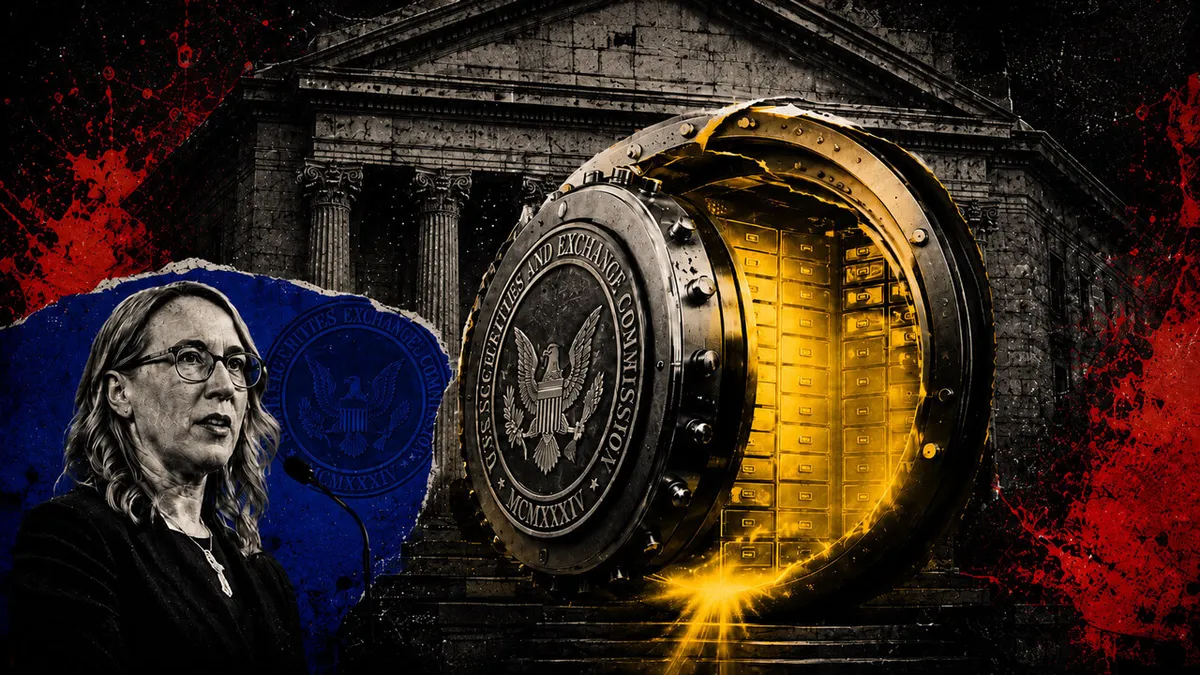
The recent surge in the crypto vault market, currently estimated at $131 billion, poses significant challenges for the U.S. Securities and Exchange Commission (SEC) as it navigates its evolving stance on cryptocurrency regulation. SEC Commissioner Hester Peirce raised concerns on July 22 regarding whether certain crypto vaults and on-chain lending strategies may fall under federal securities laws. She emphasized that the regulatory risk is contingent upon the structure of these products and the control wielded by investment decision-makers. This announcement comes at a time when the crypto industry is eagerly anticipating a more accommodating regulatory environment, making the timing of her remarks particularly impactful.
To understand the implications of this development, it is essential to consider the broader context of crypto regulation in the U.S. Over the past few years, the SEC has taken a stricter approach towards cryptocurrencies, often classifying many projects as securities. However, there has been a noticeable shift towards a more nuanced approach, highlighted by Peirce’s acknowledgment of the potential for innovation within the crypto space. The rise of crypto vaults, which pool customer assets to generate yield through various on-chain strategies such as lending and staking, represents a significant evolution in the crypto landscape. Yet, as these financial products become more mainstream, the SEC's challenge will be to ensure consumer protection without stifling innovation.
This evolving regulatory environment is crucial for market participants. The potential classification of crypto vaults as securities could lead to increased compliance costs and operational hurdles for these platforms, which might discourage new entrants and innovation. Investors are watching closely, as the regulatory stance could impact the overall growth of the market. If the SEC decides to impose stringent regulations on crypto vaults, it could create a ripple effect throughout the industry, affecting not only vault operators but also investors, developers, and other stakeholders.
Industry reactions have been mixed, reflecting a range of perspectives on the SEC's position. Some experts argue that a clearer regulatory framework could foster greater confidence among investors and instill a sense of legitimacy in the crypto space. Others, however, warn that excessive regulation could stifle innovation and push these activities into less-regulated jurisdictions. The crypto community is looking to regulators to strike a balance between protecting investors and allowing the industry to thrive. Peirce’s comments have reignited discussions about the need for a comprehensive regulatory framework that accommodates the unique characteristics of digital assets.
Looking ahead, the future of crypto vaults and their regulatory classification remains uncertain. As the SEC continues to refine its approach, market participants will need to stay informed about potential changes and adapt accordingly. The dialogue around crypto regulation is likely to intensify, especially as the industry matures and new financial products emerge. The SEC's next steps will be crucial in determining whether the crypto vault boom can continue to flourish under a more supportive regulatory environment or if it will face significant constraints that could hinder its growth.

CoinMagnetic Team
Crypto investors since 2017. We trade with our own money and test every exchange ourselves.
Updated: July 2026
From our insights:
Related news

Cardano Foundation warns EU that expanding MiCA rules to DeFi risks uncertainty

Dataline raises $10.6 million for decentralized data network for AI agents, plans ICO

Fixed-rate loans could unlock 1.8 billion dollars in real-world asset demand

Standard Chartered advances Zodia Custody buyout following May acceptance

Dogecoin Labs unites MyDoge, DogeOS and Such App to push DOGE into DeFi