Young Adults Involved in AI Romance Hide Full Use From Partners 69% of the Time
Recent research has revealed a concerning trend among young adults in romantic relationships who engage with AI companions. A significant 69% of respondents reported that they concealed their full use of AI romance applications from their partners. This study highlights not only the prevalence of AI companions in modern relationships but also the potential negative impacts on communication and relationship stability. The findings suggest that while these digital companions may provide emotional support, they could also create rifts between partners, undermining the very foundation of trust and openness that is critical for healthy relationships.
The rise of AI companions can be traced back to advancements in artificial intelligence and machine learning, which have made it possible for these applications to provide increasingly realistic and emotionally intelligent interactions. As young adults navigate the complexities of modern dating, they may turn to AI for companionship, especially in a world where many face social anxiety or difficulties in forming connections. However, this reliance on virtual interactions has sparked concerns about how it might affect their real-life relationships, particularly when users feel the need to hide their engagement with these technologies from their significant others.
The implications for the market are significant, as the popularity of AI romance applications continues to grow. If young adults are using these tools to supplement or even replace real human interactions, it raises questions about the future of dating and relationship dynamics. As the lines blur between virtual companionship and real-life relationships, there may be a shift in how individuals approach dating, potentially leading to increased demand for AI solutions that cater to emotional needs. This trend could influence both the technology sector and the broader social landscape as we begin to understand the ramifications of such reliance on artificial relationships.
Industry experts have expressed mixed feelings about these findings. Some argue that AI companions can provide valuable support, particularly for those who struggle with social connections, while others caution against the dangers of emotional detachment that may arise from relying too heavily on technology for companionship. The research has prompted discussions on the ethical implications of AI in personal relationships and the need for more transparency about its use. Many are calling for a deeper investigation into the psychological effects of these technologies, as well as guidelines for users to navigate their relationships with AI responsibly.
Looking forward, it will be essential to monitor how this trend evolves and what measures can be implemented to foster healthier interactions between young adults and AI companions. As researchers continue to explore the dynamics of these relationships, technology developers may need to consider creating features that promote open communication between partners about their AI usage. Ultimately, understanding the balance between human connection and technological assistance will be crucial in ensuring that AI companions serve as a complement to, rather than a substitute for, genuine human relationships.

CoinMagnetic Team
Crypto investors since 2017. We trade with our own money and test every exchange ourselves.
Updated: May 2026
From our insights:
Related news

Bitcoin's weekly close above $81,000 signals potential rise to $90,000

Elon Musk's X integrates bitcoin trading options for U.S. users
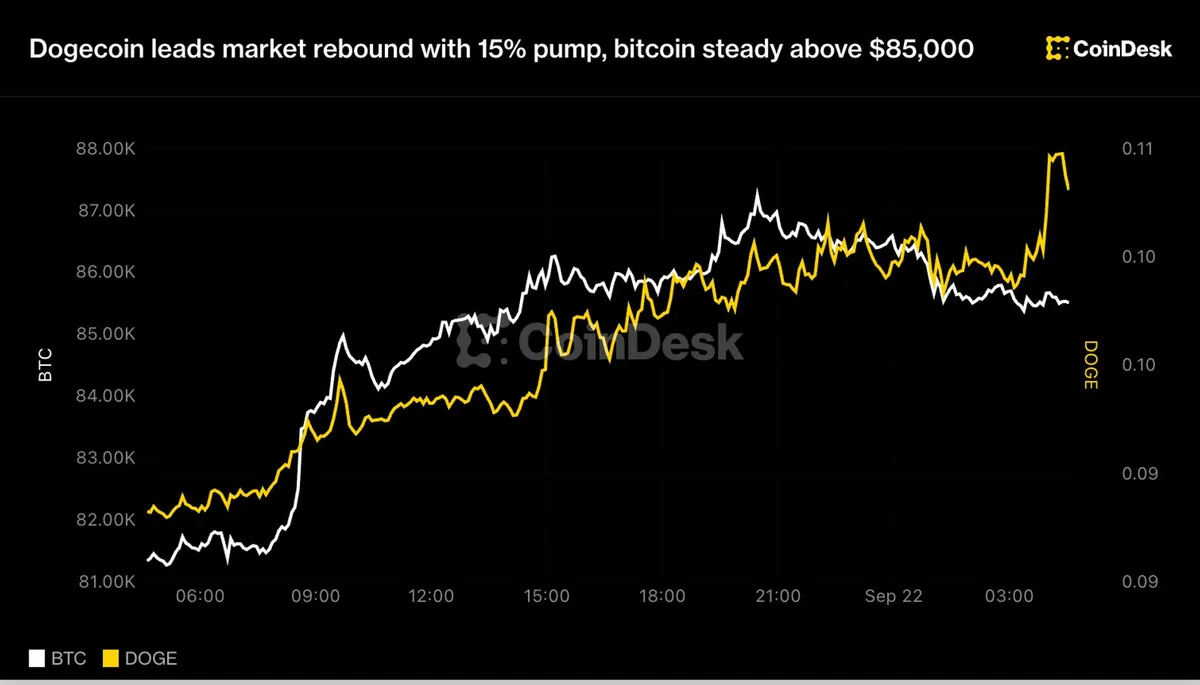
Dogecoin's 15% surge drives market recovery as bitcoin stabilizes above $85,000

Cardano adds tools for AI agent payments, joining Solana and XRP Ledger

Trueo prediction market moves from Base to Ethereum