You Can Now Read the US Constitution via the Bitcoin Blockchain

In a groundbreaking move, a piece of American history has been immortalized on the Bitcoin blockchain. An anonymous individual has successfully inscribed the full text of the U.S. Constitution onto a Bitcoin block, with the endeavor costing a transaction fee of $83. This unique integration of a historical document into a blockchain not only showcases the versatility of Bitcoin but also serves as a significant statement about the intersection of traditional governance and modern technology. The transaction has been confirmed, ensuring that the Constitution will remain permanently accessible within the Bitcoin ledger.
The decision to embed the U.S. Constitution on the blockchain reflects a growing trend where individuals and organizations seek to leverage blockchain technology for archiving and preserving important documents. This movement is rooted in a desire for transparency, security, and immutability that blockchain offers. The Constitution, a pillar of American democracy, aligns perfectly with these values, making its inclusion on the blockchain a fitting tribute to its enduring significance. This event comes on the heels of increased interest in blockchain applications beyond cryptocurrencies, as more people recognize its potential for safeguarding critical information.
The implications of this event extend beyond mere historical documentation; it represents a fusion of legacy and innovation that could influence various sectors, including legal, educational, and archival practices. By placing the Constitution on the blockchain, proponents argue that it not only preserves the document but also democratizes access to it, reinforcing the principles of freedom and equality upon which the U.S. was founded. Furthermore, this act could inspire future projects that seek to digitize and secure other foundational texts or documents, potentially reshaping how we think about access to information in the digital age.
Industry reactions to this development have been notably positive, with many experts highlighting the significance of using blockchain for preserving important cultural artifacts. Commentators have pointed out that this act could encourage further exploration of how blockchain technology can enhance transparency and trust in various fields. Some legal scholars and historians have even suggested that this could lead to more innovative uses of blockchain in the realm of law, possibly paving the way for the digitization of legal codes and statutes in a secure manner.
Looking ahead, it will be interesting to see how this unique integration of historical documentation and blockchain technology evolves. As more individuals and organizations explore the potential of blockchain for preservation and accessibility, we may witness a new wave of initiatives aimed at archiving significant cultural and historical texts. This could not only redefine our relationship with such documents but also encourage a broader societal dialogue about the role of technology in safeguarding our shared heritage.

CoinMagnetic Team
Crypto investors since 2017. We trade with our own money and test every exchange ourselves.
Updated: May 2026
From our insights:
Related news

Bitcoin's weekly close above $81,000 signals potential rise to $90,000

Elon Musk's X integrates bitcoin trading options for U.S. users
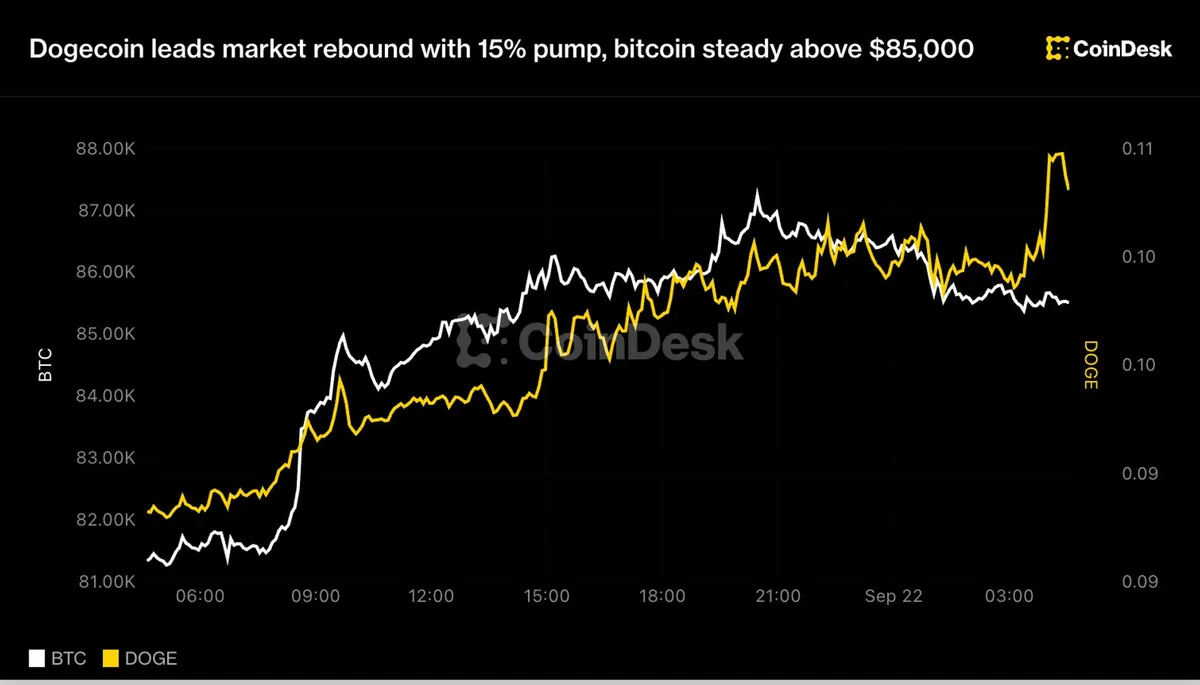
Dogecoin's 15% surge drives market recovery as bitcoin stabilizes above $85,000

Cardano adds tools for AI agent payments, joining Solana and XRP Ledger

Trueo prediction market moves from Base to Ethereum