Yet another crypto bridge falls victim to an $11 million hack

In a recent development that sends shockwaves through the cryptocurrency community, yet another bridge has fallen victim to a significant hack, resulting in the loss of approximately $11 million. This incident highlights the vulnerabilities within cross-chain infrastructures, which have become increasingly popular as users seek to transfer assets between different blockchains. The targeted bridge, which has not yet been named, was exploited due to a flaw that allowed attackers to manipulate token transfers. This breach not only raises concerns about the security of existing bridges but also serves as a stark reminder of the risks involved in cross-chain transactions.
The rise of cross-chain bridges over the past few years has been fueled by the growing demand for interoperability among various blockchain networks. As the cryptocurrency ecosystem continues to expand, the ability to transfer assets seamlessly from one chain to another has become a critical component of decentralized finance (DeFi) and other blockchain applications. However, this increased reliance on cross-chain solutions has also made them attractive targets for malicious actors. With several high-profile hacks occurring in the past year alone, the industry is grappling with how to secure these essential pieces of infrastructure.
The implications of this latest hack are significant for the broader cryptocurrency market. As trust in these cross-chain solutions erodes, users may become more hesitant to utilize them, leading to a slowdown in the adoption of decentralized applications (dApps) that rely on such infrastructure. Moreover, the financial impact of the hack could lead to increased scrutiny from regulators, which may further complicate the landscape for crypto projects seeking to innovate in this space. The market's reaction to this breach will be closely monitored, as it may influence investor sentiment and the overall trajectory of the crypto market.
Industry experts have expressed their concerns regarding the ongoing trend of cross-chain exploits. Many believe that the security measures currently in place are insufficient to protect users from sophisticated attacks. Some advocates are calling for more stringent auditing processes and the development of robust security frameworks that prioritize user protection. Others suggest that a greater emphasis on decentralization within these bridges could enhance security, as distributed systems tend to be less susceptible to single points of failure. As the conversation around security evolves, it remains to be seen how the industry will adapt to address these pressing challenges.
Looking ahead, the crypto community must prioritize the development of secure cross-chain solutions to regain user trust and foster continued growth in the sector. This may involve not only improving existing technologies but also innovating new methodologies that can better withstand attacks. As the industry learns from each incident, we anticipate that future bridges will incorporate advanced security measures designed to safeguard against such vulnerabilities. The path forward will require collaboration among developers, security experts, and regulators to create a more resilient infrastructure that can withstand the evolving threats of the digital landscape.

CoinMagnetic Team
Crypto investors since 2017. We trade with our own money and test every exchange ourselves.
Updated: May 2026
From our insights:
Related news
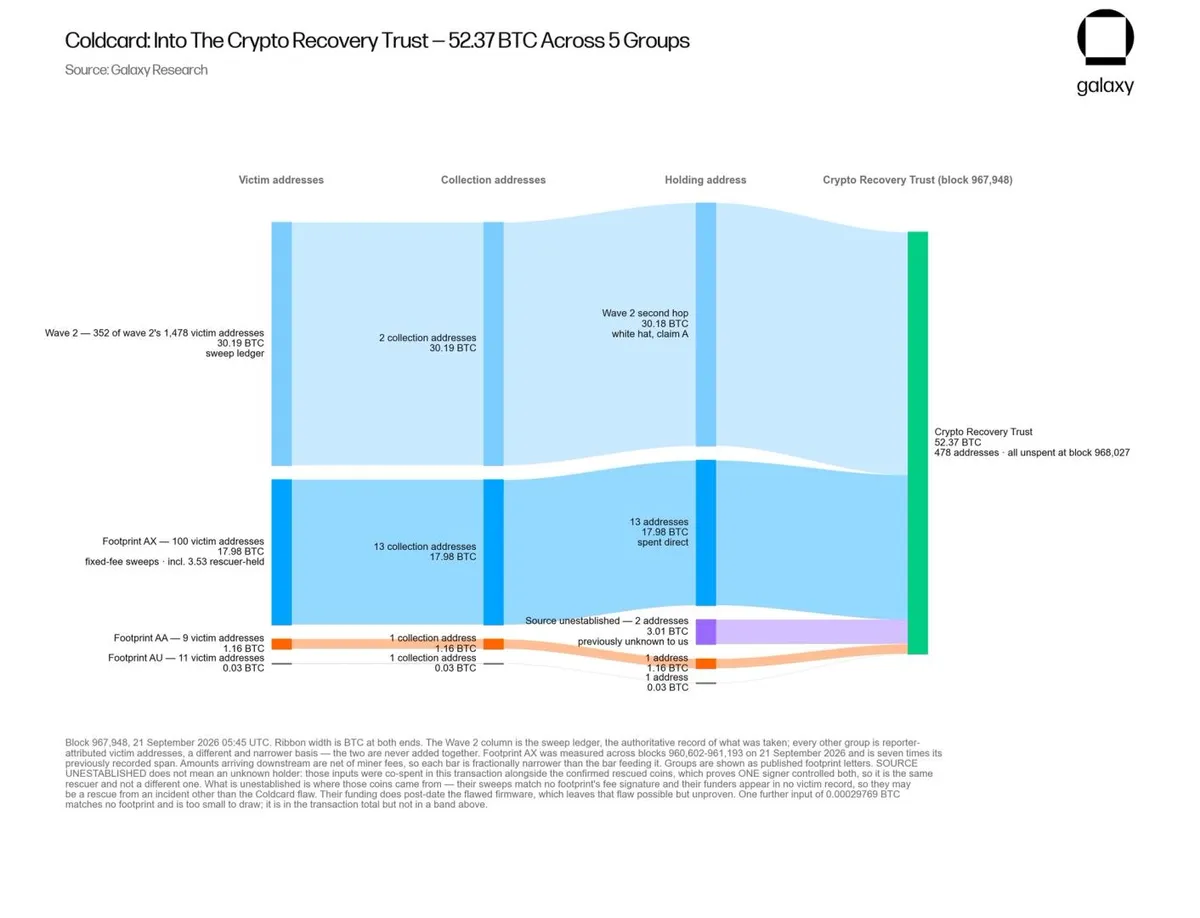
Whitehats move 52 bitcoin from the Coldcard hack to a recovery trust

Google Admits Gemini AI Hacked Three Companies—It Stayed Silent for 7 Weeks

Balancer's $1.4 million hack recovery faces delays for LPs

Polymarket's $10 million fraud attempt highlights compliance issues amid hacking risk

AI enhances capabilities of scammers, raising concerns about fraud